Softness tester definition type principle application selection
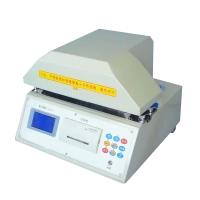
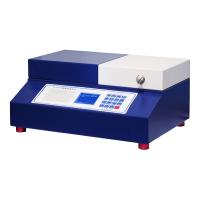
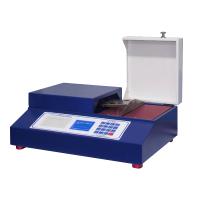
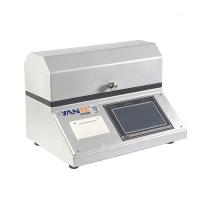
The softness tester is an industrial testing instrument used to quantitatively evaluate the softness of materials, which measures the mechanical response of materials under specific pressure, deformation or bending conditions by simulating the force scenario of human touch or actual use, and outputs key indicators such as bending resistance and deformation pressure, providing data support for material quality control, product research and development and performance optimization, and is widely used in paper, textile, film, materials and other industries.
type
According to the test principle - curved type (thin materials such as film, paper), compression type (sponge, textile), tactile type (leather, high-end fabrics).
According to the degree of automation - manual type (manual operation, low cost), semi-automatic type (partially automatic, taking into account efficiency), fully automatic type (full automatic, high precision).
According to the applicable material - universal type (suitable for a variety of materials), special type (paper/leather/dressing only).
According to the force value range - small (0-10N), medium (10-50N), large (above 50N).
Test principle
Based on the mechanical properties of the material, a specific form of force is applied to the standard size sample through an actuator (indenter, fixture, etc.), and the sensor collects the force value and deformation data, which are processed by algorithm and converted into a quantitative index of softness (such as the smaller the bending resistance, the greater the deformation, and the softer the material), and some instruments can generate force-displacement curves.
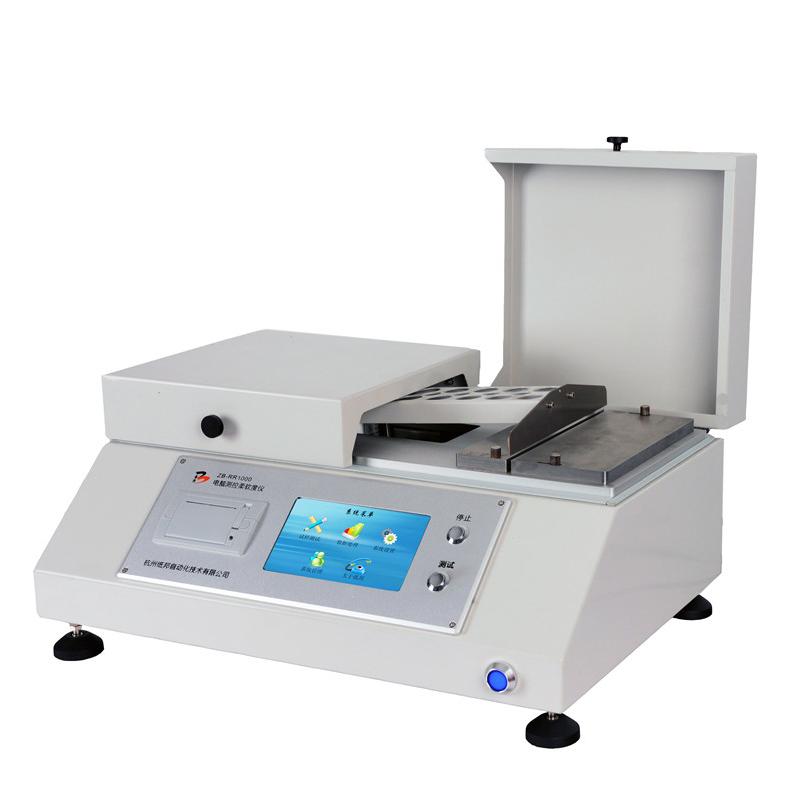
Fields of application
1. Film making industry - test the flexibility of plastic film, composite film, etc., to ensure packaging and lamination needs.
2. Paper industry - evaluating the softness of toilet paper, paper towels, etc., affecting the comfort of use.
3. Textile/leather industry - test fabrics and leather feel to correlate wearing experience with product grade.
4. Medical materials industry - test the softness of medical dressings, catheters, etc., to ensure the safety of human contact.
5. Others - testing of packaging materials, sponges, baby products, etc., and scientific research quality inspection scenarios.
Common faults and solutions
The test results are highly biased
Calibrate the instrument, prepare samples according to standards, check test parameters, and replace aging sensors.
The executive agency is stuck
Clean parts, add lubricants, replace worn parts.
Data collection is abnormal
Check sensor connections, restart and update software, and ensure stable power supply.
The sample is not positioned accurately
Replace the special fixture and adjust the gripper pressure.
How to choose
According to the type of material (film/textile, etc.), the bending type/compression type and other test principles are selected, and the special type of instrument is selected for special materials.
Quality inspection selects 0.01N accuracy, scientific research selects 0.001N; according to the hardness of the material to match the force value range.
Manual/semi-automatic for small scale, fully automatic/multi-station for large batches.
Priority is given to equipment that supports mainstream standards such as GB/ISO/ASTM.
Select functions such as data storage, curve drawing, and network docking as needed, and inspect after-sales calibration and maintenance services.
summary
The softness tester is the core industrial testing instrument to quantify the softness of materials, which is divided into many categories according to the testing principle and degree of automation, and is widely used in filmmaking, textile, medical and other fields. During use, attention should be paid to test accuracy and mechanical maintenance, and the selection should closely follow the material type, precision requirements, efficiency requirements and industry standards to ensure that the instrument is suitable for practical application scenarios and provide reliable support for quality control and research and development.
-
![JINGWEN JW117C Tissue Softness Tester, Single Arm 10-5000mN]()
-
![HP-ZRD-1000 paper softness Tester]() HP-ZRD-1000 paper softness Tester$ 2515.00
HP-ZRD-1000 paper softness Tester$ 2515.00 -
![Essence LD-RRD Toilet Paper Softness Tester]()
-
![YINUO YN-RRY1000 Microcomputer softness Tester 1000mN digital display]()
-
![PY-H613 Softness Tester]() PY-H613 Softness Tester$ 2671.00
PY-H613 Softness Tester$ 2671.00 -
![IMT-RRD01 Softness Tester]()
-
![YANTE YT-RRY1000 Computer softness Tester paper softness Tester paper fiber fabric, non-woven fabric]()