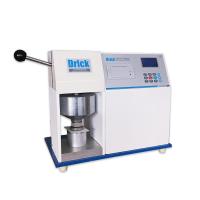
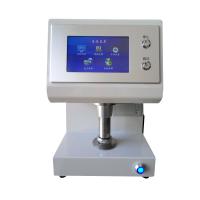
Smoothness tester core knowledge guide
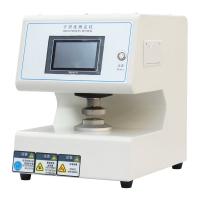
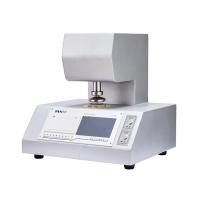
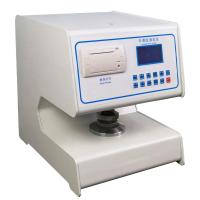
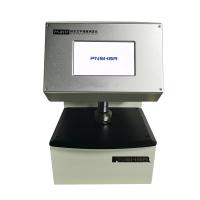
The smoothness tester is a precision testing instrument used to measure the smoothness of the surface of paper, cardboard, film and other materials, by quantifying the surface concave and convex state of the material, providing data support for product quality control and process optimization, and is widely used in papermaking, packaging, printing and other industries.
type
Classification according to the principle of testing-The Company has a Buick smoothness tester (the core determines smoothness by measuring air passage time) and a Bentson smoothness tester (a test mechanism based on contact pressure and friction coefficient), among which the Buick model is the mainstream model in the industry.
Classification by structure and usage scenario-Benchtop smoothness tester (high precision, full functions, suitable for routine laboratory testing), portable smoothness tester (compact size, easy to operate, suitable for rapid inspection on the production line).
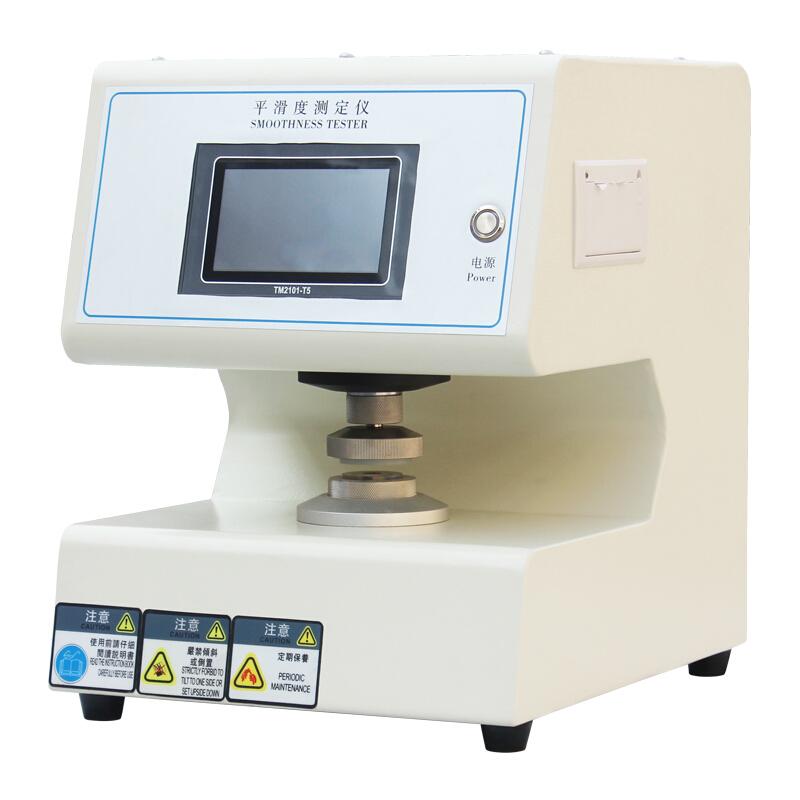
Test principle
The core is based on two core mechanisms: 1. Vacuum adsorption principle (Buick type): Under the specified pressure, the vacuum system is used to let the air pass through the gap between the specimen and the test surface, and the smoothness is determined by the time when the air is completely passed. 2. Principle of frictional resistance (Benteson): The resistance value of the relative motion of the specimen and the standard friction surface is checked, and the smaller the resistance, the better the smoothness of the surface of the material, all of which are intuitively reflected by quantitative data.
Fields of application
It mainly focuses on industrial scenarios such as material processing, packaging, and printing, and is suitable for a variety of material testing: paper material (paper, cardboard) testing ensures printing clarity and packaging adaptability; Plastic film and coated plate testing helps processing fit and product appearance control, and is widely used in food packaging, printing paper, industrial plates and other fields for quality control.
Common faults and solutions
Air leakage leads to inaccurate measurements – indicated by abnormally short air transit times due to aging gaskets and insecure clamping of specimens. Solution: Replace the damaged gasket and adjust the pressure of the clamping device to ensure that the specimen has no wrinkles and a tight fit.
Poor repeatability – Fluctuations in results over multiple measurements may be due to uneven sample sampling, stains on the test surface, or unstable pressure. Solution: Random sampling according to the standard, clean the test surface with anhydrous ethanol, and check whether the air source pressure meets the equipment requirements.
The instrument fails to start or shows abnormalities – unresponsive power-on, random numbers, often due to poor contact with the power cord, faulty sensor, or control system failure. Solution: Check the connection between the power cord and the interface, and restart the instrument. If it is still abnormal, contact the manufacturer to access the sensor or control board.
Indenter jamming - The indenter head is not smooth to rise and fall, due to rust and insufficient lubrication of mechanical transmission components. Solution: Clean the transmission parts and apply special lubricating oil to avoid foreign object jamming.
How to choose
Paper materials are preferentially selected as Buick type, and non-paper films and plates are selected as special types;
Choose portable for on-site rapid testing, and benchtop models for accurate laboratory analysis;
Pay attention to test accuracy and range, and meet the requirements of relevant testing specifications such as GB/T;
Prefer models with easy operation, easy replacement of consumables, and perfect after-sales to balance performance and cost of use.
summary
The smoothness tester is a key equipment for material surface quality testing, which is divided into various types according to the principle and scenario, relying on the principle of vacuum adsorption or friction resistance to achieve quantitative detection of smoothness, and is suitable for multi-material industrial quality control scenarios. The selection needs to be tailored to the material and use needs, and daily fault troubleshooting can ensure the accuracy of detection and help production quality compliance control.
-
![Taichang Instrument TC-PHD Smoothness Meter, Buick Intelligent Tester 10 +/- 0.05cm ² Test Area]()
-
![CHINA NBC-5636 Paper & Cardboard Smoothness Tester]()
-
![CHINA BLD-PH10 Smoothness Meter]() CHINA BLD-PH10 Smoothness Meter$ 1695.00
CHINA BLD-PH10 Smoothness Meter$ 1695.00 -
![Essence LD-PHD smoothness meter paper smoothness Bekk Buick, button model]()
-
![PNSHAR PN-BSTF Buick Smoothness Tester]()
-
![DRICK DRK105 smoothness Tester]()
-
![CHINA ZY-PH-2 smoothness Tester, Buick method mercury-free paper Tester]()
-
![PUYUN PY-H622 paper Smoothness Tester Bekk Smoothness Tester]()
-
![YINUO YN-PHD01 paper smoothness meter 0~9999s automatic]()