Influence of strain rate on test results and control method
In the high-temperature tensile test, the strain rate is the core control parameter, which directly affects the accuracy and reliability of the test results of the mechanical properties of the material, and its regulation quality has important guiding significance for the selection and structural design of materials in the field of high-end manufacturing. The change of strain rate will change the plastic deformation mechanism, phase transition process and stress response law of the material at high temperature, and if it is not properly controlled, it is easy to cause the test data to deviate from the real properties of the material and affect the judgment of subsequent engineering applications.
The influence of strain rate on the results of high-temperature tensile test is multi-dimensional. From the perspective of strength indexes, the plastic deformation time of the material is insufficient at high strain rate, and the dislocation movement is hindered, which is manifested as high yield strength and tensile strength. The low strain rate will give the material sufficient plastic flow and phase transition space, and the strength index will be low, but the plastic index such as elongation and cross-section shrinkage will be significantly higher. For materials prone to creep at high temperature, the increase in the proportion of creep deformation at low strain rate will further amplify the deviation of plastic indexes.
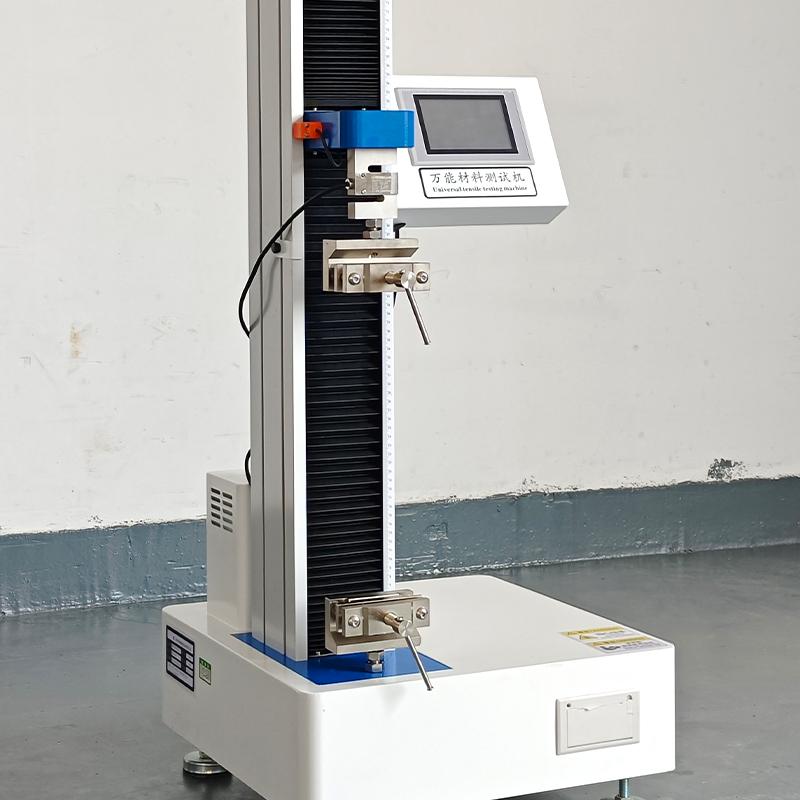
In addition, strain rates can also affect the fracture mechanism of the material. High strain rate is easy to cause brittle fractures, with flat fracture surfaces and small plastic deformation. Low strain rates may lead to ductile fractures, with obvious necking and plastic rheological traces on the fracture surface. At the same time, for materials with dynamic recrystallization, too high a strain rate will inhibit the recrystallization process, resulting in an increase in hardness and a decrease in plasticity. If the rate is too low, it will promote full recrystallization and stabilize the material properties.
For the precise control of strain rate, it is necessary to build a complete system from three aspects: equipment selection, parameter calibration, and process control. At the equipment level, a tensile testing machine with a high-precision servo control system should be selected, which should support 0.0001/s~10/s wide range strain rate adjustment, and have the rate closed-loop control function to ensure that the rate fluctuation does not exceed ±5% during the loading process. At the same time, with a high-response extensometer, the deformation of the specimen is collected in real time and fed back to the control system for dynamic adjustment.
Parameter calibration and presetting are key to control. Before the test, the reasonable strain rate should be determined according to the material properties and relevant standards (such as GB/T 4338, ASTM E21), and for special materials such as superalloys and composites, the influence of the rate on performance should be clarified through pre-tests to avoid blind setting. At the same time, the testing machine is calibrated at a rate, and standard specimens are used to simulate the loading process to correct the rate deviation and ensure the accuracy of the test.
During the test, it is necessary to strengthen dynamic regulation and optimize the rate parameters for different deformation stages. The elastic stage can use a higher strain rate to improve efficiency, and the plastic deformation stage can be switched to a preset constant rate to avoid stress fluctuations caused by sudden rate changes. For high-temperature creep-sensitive materials, it is necessary to maintain low rate stability in the later stage of loading to ensure that the plastic deformation characteristics of the material are fully captured. In addition, the stability of the temperature field should be controlled synchronously to avoid the coupling of temperature fluctuations and rate changes affecting the test results.
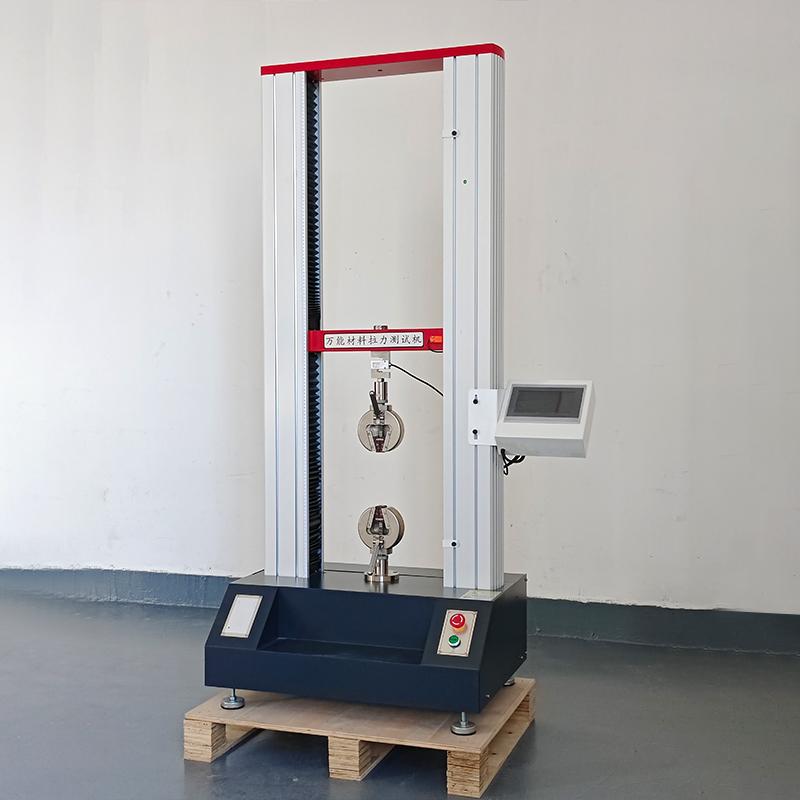
In conclusion, the strain rate has a significant impact on the strength, plasticity and fracture characteristics of high-temperature tensile tests by changing the deformation mechanism and phase transition process of materials. By selecting high-precision test equipment, scientifically presetting calibration parameters, and strengthening the dynamic control of the process, the precise control of strain rate can be achieved and the test deviation can be effectively avoided. In the future, combined with intelligent monitoring technology, the construction of a rate-temperature-stress collaborative control system will further improve the accuracy of high-temperature tensile tests and provide strong support for the performance evaluation of high-end manufacturing materials.