Viscosity, what is Viscosity
What is viscosity
The force of a fluid against changes in its position during flow, which is equal to the ratio of shear stress to shear rate
From an industry point of view, viscosity represents the internal resistance of a liquid to flow. It reflects the degree of viscosity and thinness of the paint. Paints with excessive viscosity have large internal movement resistance, difficult flow, inconvenient finishing, and wet coatings are not easy to level, and are prone to defects such as coating marks and wrinkles, which affect construction; on the contrary, if the viscosity of the paint is too low, it will cause defects such as sagging, too thin coating, and too many painting times.
Method of viscosity measurement
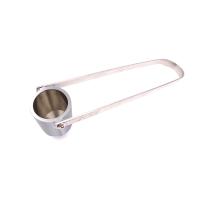
There are many ways to measure viscosity, and at present, 4 cups are mostly used
The viscosity meter measures the viscosity of the paint. When the paint is in use, it can be divided into the original viscosity (factory viscosity), the original viscosity is the viscosity of the original paint; the construction viscosity is also called the working viscosity, that is, the viscosity suitable for a certain finishing method. The construction viscosity is the most suitable viscosity determined experimentally according to the specific conditions in production (such as paint varieties and finishing methods, etc.), and expressed by specific numbers (such as the number of seconds of coating-4 viscosity). It is one of the important parameters for formulating finishing process regulations.
The viscosity of the paint can be adjusted by solvents. Therefore, the viscosity of the paint is related to the solvent content in the composition of the paint. When the solvent content in the coating is high, the viscosity is low. The viscosity of the paint is also related to the ambient temperature and the temperature of the paint itself. When the temperature is high or the paint is heated, the viscosity will decrease. During construction, if the solvent evaporates a lot, the paint will naturally thicken.
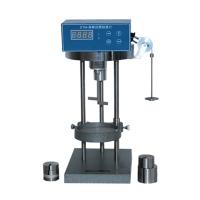
There are many methods for detecting the viscosity of liquid coatings, which are used for different varieties. Generally, the viscosity detection of transparent varnishes and low-viscosity paints is mainly based on the outflow method, and the detection of transparent varnishes also includes the bubble method and the falling ball method. For high-viscosity varnishes or paints, the viscosity is determined by measuring the stress at different rates, generally using a rotary viscometer.
The outflow method is to measure the viscosity of a liquid paint by measuring the time it flows out of a container with a certain solution and pore size. Various Viscosity Cups (meters) are commonly used to measure. Such as: viscometer, Iwata cup, rotary viscometer

- 1Liquid viscosity measurement and application
- 2Measuring method of coating viscosity
- 3Viscosity: Microscopic forces inside liquids shape macroscopic properties
- 4Analysis of factors affecting viscosity
- 5The relationship between viscosity and shear rate
- 6Factors Affecting Coating Viscosity
- 7Viscosity and surface tension
- 8How to measure the viscosity of glue
- 9The relationship between viscosity and rheology