Determination of film chemical resistance performance
When measuring the chemical resistance of the paint film, immerse the paint film in the specified medium and observe the degree of erosion.
Materials and Instruments
① Emery cloth o# or 1#.
②Measuring cylinder 50mL.
③Thin steel plate 50mmX120mmX(0.45~0.55)mm.
④Aluminum plate LY12, thickness 1~2mm, ⑤Ordinary low carbon steel rod diameter 10~12mm, length 120mm, one end of the rod is a spherical surface, and a small hole is pierced at the other end 5mm.
⑥The accuracy of the Thickness Gauge or lever micrometer is 0.002mm.
⑦ Salt water bad.
⑧ reagent chemically pure sulfuric acid; chemically pure sodium hydroxide; chemically pure sodium chloride.
experiment procedure
(1) Determination of salt water resistance
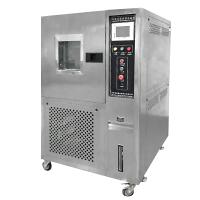
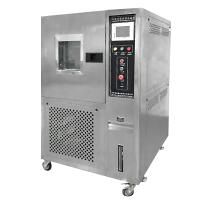
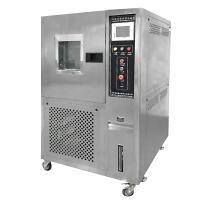
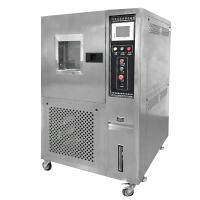
① Prepare paint film on three thin steel plates (or substrates specified in product standards) by room temperature and salt water resistance method, apply two coats of various anti-rust and anti-corrosion paints, after the first coat of paint, dry under constant temperature and humidity conditions Dry for 48 hours, and then apply the second coat (the back is also painted, but it is not used as the basis for assessment). Use a 1:1 mixture of paraffin wax and rosin or self-drying paint with better performance for edge sealing. The second paint was dried for 7 days under constant temperature and humidity conditions and put into the test. Apply one coat of various primers (the back is also painted, but it is not used as the basis for assessment), seal the edge, dry for 48 hours under constant temperature and humidity conditions, and put it into the test (the drying conditions of the drying paint are specified in the product standard). (Related instruments: constant temperature and humidity Test Chamber, oven)
Mix sodium chloride with distilled water to make w, 3% aqueous solution, immerse two-thirds of the area of the painted test panel in a saline solution at a temperature of (25±1) °C, and take out the test panel for the soaking time specified in the product standard, and wash it with tap water Remove traces of salt and blot dry with filter paper. Observe whether the paint film has peeling, wrinkling, blistering, rust, discoloration and loss of light, etc., and whether it is qualified or not shall be in accordance with the product standard, and no less than two test panels shall be qualified if it meets the product standard.
 ②The heating and salt water resistance method paint film preparation and inspection methods are the same as the normal temperature salt water resistance method. The test temperature is (40 ± 1) °C, using constant temperature control, as shown in Figure 21-46.
Note: The sodium chloride aqueous solution should be tested once and replaced once.
(2) Determination of acid and alkali resistance
①Take an ordinary low-carbon steel rod, polish it effectively with emery cloth, wash it with 200 paint solvent oil or industrial gasoline, and then dry it with a thick cloth.
② Pour the sample with a viscosity of (20±2)s (coated with a 4 viscometer) into the measuring tank (up to 40mL), let it stand until there are no air bubbles in the sample, and use the immersion method to soak the steel rod with holes. Immerse one end vertically in the sample within 2~3s, take it out, and hang it on the rack.
③Stand for 24 hours, turn the steel bar upside down by 180°, immerse it in the sample according to the above method, take it out, and then place it for 7 days (all self-drying paints are dried under constant temperature and humidity conditions, and drying paints are dried according to the conditions specified in product standards).
④Measure the paint film thickness with a lever micrometer,
⑤Immerse two-thirds of the test rod in the medium specified in the product standard at a temperature of (25±1)°C, and cover it.
⑥ Check the test rod immersed in the medium every 24 hours. Each time the test rod needs to be rinsed with tap water, and after the water drops are blotted dry with filter paper, observe whether the paint film has loss of gloss, discoloration, vesicles, spots, or peeling off. and other phenomena, whether it is qualified or not shall be in accordance with the product standard, and the results of the two test rods shall be consistent. Note:
① Hang the prepared test rod, and allow it to drop if there is a drop on the spherical surface at the bottom.
② If the sample is not suitable for dipping, the paint film can be prepared by brushing.