Analysis of the reasons for the defects of film surface color uneven hair, floating color and color separation
1. Uneven color and hair loss
(1) phenomenon
The color of the coating film is locally uneven, and the phenomena of streaks, stripes and hue disorder are shown in Figure 9-13.

(2) Reason analysis
The main reasons are paint quality, paint preparation and paint construction.
① The pigment in the paint is poorly dispersed or the mixing of two or more paints is not sufficient. Insufficient solvency of the solvent used or improper application viscosity.
②The overlapping of the spray width is uneven, resulting in uneven thickness of the coating film, and the pigment in the coating film produces internal and external convection at the thick film.
③ Poor spraying technique. The Spray Gun is not adjusted properly, and the spray shakes; the spray distance is far and near, and the thickness of the coating film is uneven; the angle between the gun and the working surface is not correct. This is the main reason for spraying color difference.
④The amount of color paint prepared is insufficient, and the paint is mixed again midway, or there is a different color paint in the paint mixing container, and the Spray Gun is not cleaned, etc.
⑤ There are sources of gas (such as ammonia, sulfur dioxide, etc.) that can interact with the coating film near the coating site.
(3) Preventive measures
① Choose a paint with good pigment dispersion and mutual solubility.
②Choose an appropriate solvent, and use a coating viscosity and film thickness that meet the process requirements.
③The same type of paint should be used when preparing the recolor paint, preferably the same type of paint produced by the same manufacturer.
④ Use good spraying technology. Each spraying should overlap at least 50% (for the bottom layer of silver powder paint, it is recommended to overlap about 2/3), and the Spray Gun should be inspected and debugged correctly.
(4) Remedy
① If the film layer is still wet, spray a thin layer of topcoat again to correct it. Or after the paint surface is slightly dry, apply another coat of topcoat.
②Let the paint film dry completely, then wet sand and respray with the correct spraying technique.
Two, floating color, color separation
(1) phenomenon
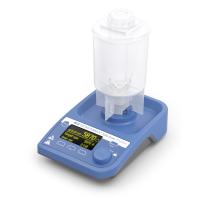
The difference in particle size, shape, density, dispersibility, cohesion, etc. of various colors in the paint makes the pigment distribution on the surface and lower layer of the coating film uneven, and the color tone of each section is different. The appearance of the coating film is the same, but the hue of the wet film and the dry film are quite different. (Related instrument: dispersing machine)
The term floating color is used to describe the regular color variation on the surface of the paint film, as shown in Figure 9-14.

(2) Reason analysis
Floating color and color fading are closely related to the convection phenomenon during the formation of the coating film, so the unreasonable formulation of the coating and the paint-making process are the main reasons for these two ills.
① When painting a multi-color paint containing two or more pigments, due to the different volatilization speeds of solvents on the surface and inside of the coating, convection is prone to occur and floating color phenomenon occurs.
②The density of the pigments in the coating is very different.
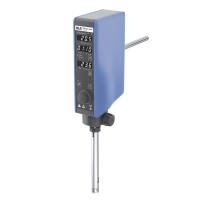
③ The paint is not stirred evenly, or it has been left for too long. (Related instrument: Stirrer)
④The coating method and equipment selection are inappropriate.
(3) Preventive measures
①Select the color paint with good pigment dispersion.
② Adding anti-floating agents, such as silicone oil, has a significant effect on preventing color floating.
③Choose the appropriate coating method and equipment. For example, reduce the thickness of each spray, increase the number of sprays, and the pigment floats. (Related Instruments: Thickness Gauge)
(4) Remedy
It is the same as the remedy for uneven color and hair loss.


- 1Painting coating/coating system defect (defect) classification
齐祥安 - 《现代涂料与涂装》
- 2Causes and preventive measures of common coating defects of Architectural coatings
石玉梅 - 《混凝土世界》
- 3Disadvantages and treatment of emulsion paint film caused by surface tension
高海伟 - 《涂料工业》
- 4Film floating color and bleeding defects and countermeasures
- 5What is the reason for the copper return light and discoloration during use after painting?
- 6How to solve the problem of wrinkling and blistering on the surface of the film?
- 7Film defect analysis and solution summary
- 8Type characteristics, inspection methods and test conditions for coating surface defects
- 9What is the difference between coating conditioning and coating defects?