Summary of standard detection methods for mass detection after painting
The quality of coating ultimately needs to be reflected in the quality of the coating film, so the quality inspection after coating is mainly to test the performance of the coating film, including the mechanical properties of the coating film (such as adhesion, flexibility, impact, etc.) Strength, hardness, gloss, etc.) and special properties with protective functions (such as weather resistance, acid and alkali resistance, oil resistance, etc.). Among them, the mechanical properties are the basic routine properties that need to be tested in the coating quality inspection, and the special properties with protective functions can be selectively tested according to different application requirements. Quality inspection after painting is the ultimate basis for judging the quality of painting and an important part of ensuring quality. Standard testing methods involving post-painting quality testing are as follows.
(1) GB1720-89 (79) Determination of paint film adhesion;
(2) GB/T1731-93 paint film flexibility test method;
(3) GB/T1732-93 paint film impact resistance test method;
(4) GB/T1730-93 Pendulum damping test of paint film hardness determination method;
(5) GB/T6739-1996 Pencil Determination of Film Hardness;
(6) Determination method of GB5210-85 coating adhesion pull-off method;
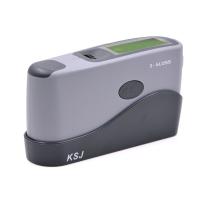
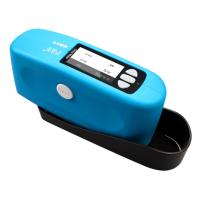
(7) GB1743-89 (79) Determination of paint film gloss;
(8) GB1768-89 (79) Determination of paint film abrasion resistance;
(9) GB1769-89 (79) Determination of paint film polish;
(10) GB1770-89 (79) Determination of abrasiveness of primer and putty film;
(11) Cross-cut test of GB9286-88 varnish and paint film;
(12) GB6742-86 paint film bending test (cylindrical pumping);
(13) GB/T1733-93 Determination of water resistance of paint film;
(14) GB/T1734-93 Determination of paint film resistance to gasoline;
(15) GB1735-89 (79) Determination of heat resistance of paint film;
(16) GB1738-89 (79) Determination of water absorption of insulating paint film;
(17) GB1739-89 (79) Determination of oil resistance of insulating paint film;
(18) GB1740-89 (79) Determination of resistance to heat and humidity of paint film;
(19) GB1741-89 (79) Determination of mold resistance of paint film;
(20) GB1761-89 (79) Determination of paint film anti-fouling properties;
(21) GB1763-89 (79) Determination of chemical resistance of paint film;
(22) GB/T1766-1995 paint and varnish coating aging rating method;
(23) GB/T1771-91 Determination of neutral salt spray resistance of paints and paints;
(24) GB1865-89 (80) Determination of paint film aging (artificial acceleration);
(25) GB5370-85 shallow sea immersion test method for antifouling paint samples.
In the above test items, the user should prepare a standard test sample according to the general preparation method of the paint film mentioned in the previous section, and test the mechanical and physical properties of the conventional paint film to judge the basic performance of the paint film. According to the special functions of different coatings, some of them can be tested for anti-corrosion protection and decorative performance. Some of the commonly used testing items are as follows.



- 1Two Methods and Instruments of Film Flexibility Test
- 2Key performance and specific detection methods of resilience Coatings
- 3Key performance of powder coatings and their testing instruments
- 4How are architectural coatings flexibility tested?
- 5ASTM D5019 Single-layer roofing film reinforced CSM board (chlorosulfonated polyethylene (PE)) standard interpretation
- 6Analysis of Conical Mandrel Test of ASTM D522 Film
- 7Three methods for determining the flexibility of putty coatings
- 8Low/high Temperature Test Chamber for high-low temperature resistance test of foam materials
- 9Purpose, characteristics, operation steps and precautions of cone bending testing machine