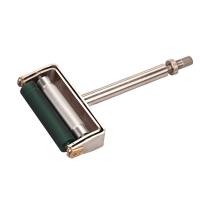
A good manual Ink Proofer from domestic (CN)
In this issue, NBCHAO Mall mainly introduces a very good color development wheel from CHINA. This is a 180LPI (anilox roller line number) color development wheel, produced by Pushen, a domestic testing instrument brand manufacturer. The outer packaging is packed in a simple black plastic box with a built-in cushion, and the overall feel is similar to that of a notebook. It is also convenient to carry when going out.
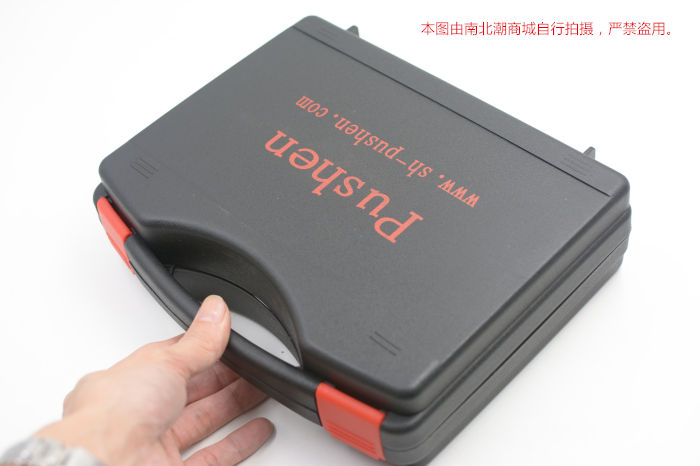
Open the outer package, the packing list of Pushen ZS (28015) 180 line color development wheel consists of a display wheel and a screwdriver. Instructions for use included.
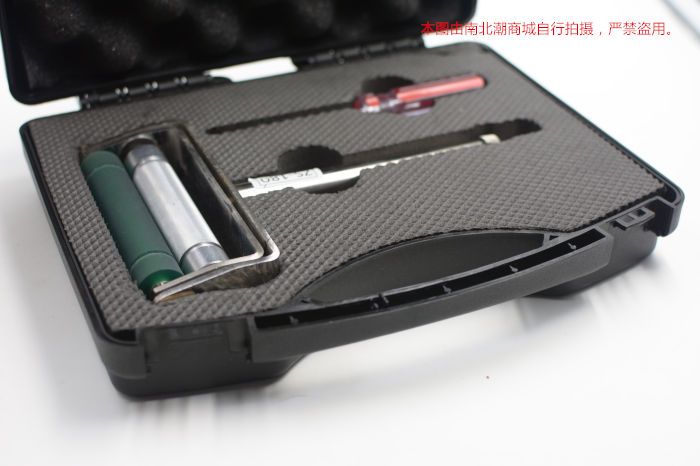
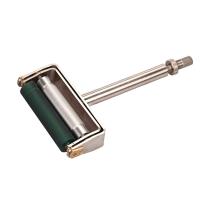
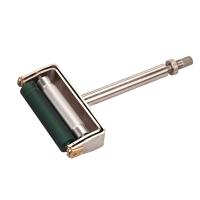
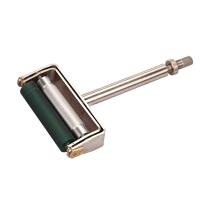
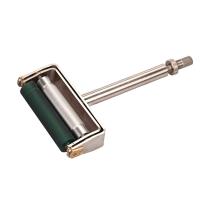
The color development wheel is composed of a metal anilox roller and a rubber roller. From the actual shooting light, the texture of the metal anilox roller and the transparency of the rubber roller are very strong. From the first impression, the craftsmanship is commendable.
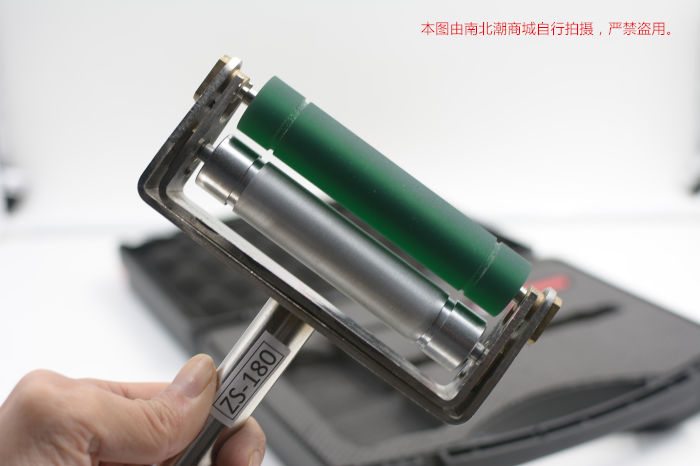
The pictures below are the details. Whether it is metal anilox roller or rubber roller, they can be disassembled with a Phillips screwdriver, which is very convenient for later maintenance, cleaning and replacement.
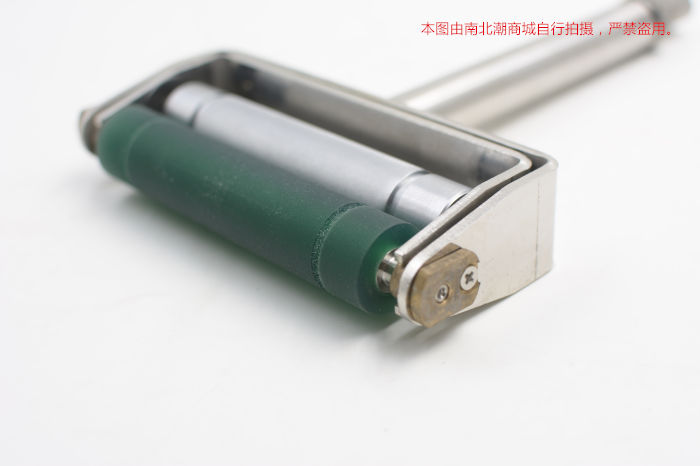
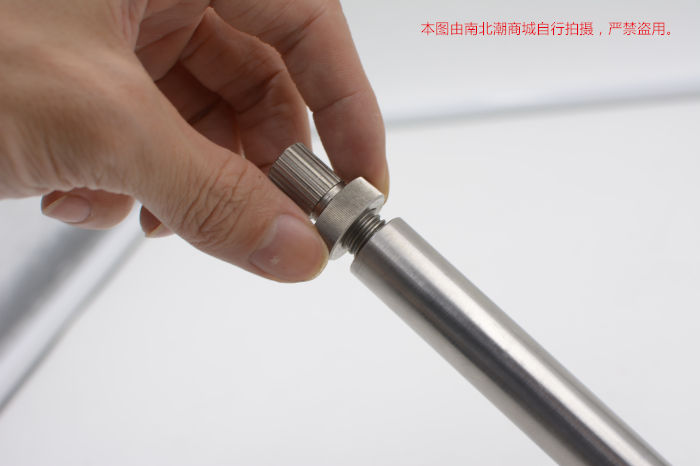
The color wheel handle is equipped with a metal screw knob for easy control of the roller part.
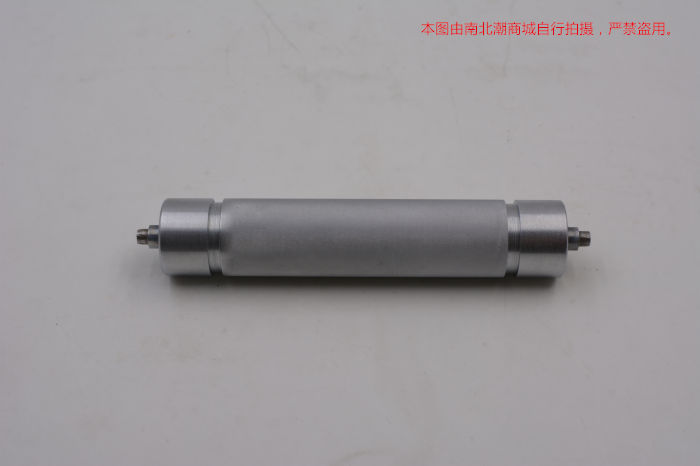
The picture below shows the disassembled metal anilox roller. These color display wheel accessories can be purchased on the NBCHAO Mall, and it is very convenient for later maintenance and replacement.
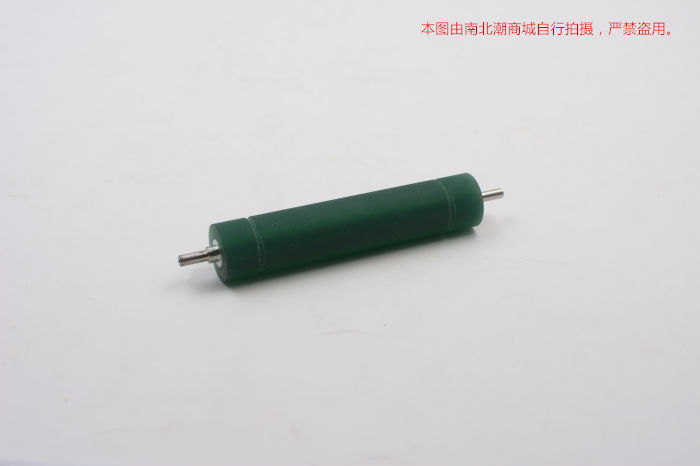
The picture below is a real shot of the rubber roller disassembled. Due to the material problem, it is relatively easy for dust to adhere. Therefore, after using the color development wheel, it is necessary to clean the anilox roller in time. When not in use, put it in a protective cover to prevent dust or other foreign matter from adhering to it.
All in all, this can be regarded as a very good color wheel among domestic color wheels, both in terms of craftsmanship and product design. The author deliberately inquired about some non-brand products on the Internet. Although their shapes are almost similar and the price is lower, based on years of experience, for testing instrument products, the cost invested by brand owners in materials, craftsmanship and factory inspection is much higher than that of non-brand products. business. The quality of an instrument comes from these aspects to a certain extent, citing a famous saying in the market: You get what you pay for.

- 1Function and maintenance of manual Ink Proofer
- 2Application of Manual Ink Proofer
- 3How to choose the correct number of mesh for screen printing?
- 4How to choose these experimental coating equipment?
- 5Manual Ink Proofer
- 6Why is the curing speed of UV curing Printing ink so fast? How to ensure a reasonable speed?
- 7General characteristics and maintenance of manual Ink Proofer
- 8PK with the same parameters domestic (CN) and imported manual Ink Proofer
- 9What are the advantages of Spreader?