Introduction to the operation and application of electric heating Incubator
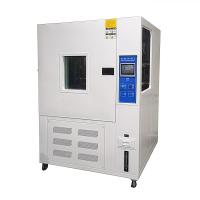
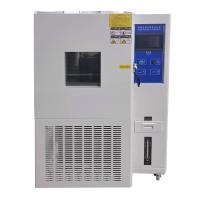
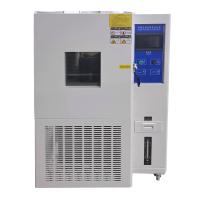
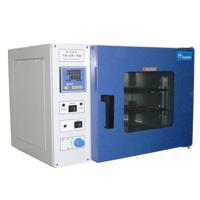
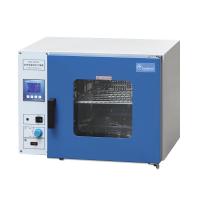
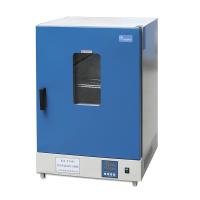
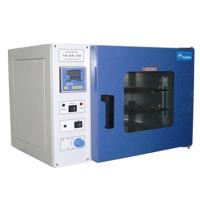
The electric thermostat is also called oven and Drying Oven. It is a device that uses electric heating wire to heat through the interlayer to dry the object. The maximum working temperature of the electric constant temperature Drying Oven is generally 300 ℃, and there are several specifications of extra small, small, medium and small, medium and large, which can be used for baking, drying, heat treatment and other heating of various samples. Electric constant temperature ovens include: electric constant temperature Drying Oven, electric constant temperature Forced Air Drying Oven, digital display electric constant temperature Drying Oven, electric constant temperature Incubator, digital display electric heating Incubator, temperature and humidity control box, low temperature or high-low temperature test box, aging Test chambers, constant temperature and humidity Test Chambers, electric vacuum drying chambers, salt spray Test Chambers, mold Test Chambers, etc.
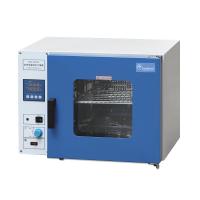
According to whether there is a blower device, the product is divided into two types: electric heating constant temperature drying box and electric heating blowing constant temperature drying box. The air in the former working room promotes convection by the density movement of hot and cold air to make the indoor temperature uniform; the latter is equipped with an electric blower to promote mechanical convection of indoor hot air to make the indoor temperature more uniform. There are many models of electric thermostats, but their structures and constant temperature systems are basically the same. Now take the electric blast constant temperature Drying Oven as an example to give an introduction.
(1) The structure of the blast constant temperature Drying Oven
The outer layer of the drying box is painted iron sheet; the middle layer is glass wool or asbestos for heat insulation; the third layer is iron sheet; the fourth layer is an air convection wall made of iron sheet, so that hot and cold air can convect. Even temperature. The outer wall of the studio is painted with high temperature resistant and anti-corrosion silver powder paint. There is an exhaust hole on the top of the box to facilitate the escape of hot air and steam. There is a thermometer socket in the center of the exhaust hole, and the thermometer is inserted to indicate the temperature inside the box. The doors of the chamber are double-layered, the inner door is generally made of high temperature resistant and unbreakable toughened glass, and the outer door is a metal insulation door filled with heat insulating layer. There are air inlet and outlet holes at the bottom of the box. There is a sample partition in the working room, and the sample is placed on it for drying. If the test object is large, the partition can be pulled out for adjustment.
Most of the heating parts are exposed heating wires. Usually the heating wires are divided into two groups, one of which is the auxiliary heating wire, which is directly connected to the power supply and not controlled by the temperature controller; the other group is the constant temperature heating wire, which is connected to the temperature controller and is controlled.
The automatic temperature control system usually adopts a temperature controller of differential rod type or contact mercury thermometer type, or a temperature controller using a thermistor as a sensing element.
(2) Operation of the oven
① The oven should be installed on a cement platform or placed horizontally in a dry place indoors to prevent vibration.
②According to the power consumption of the oven, install a power switch with sufficient capacity as the power switch of the oven, and select a power wire with sufficient load and a good ground wire.
③ After plugging in the thermometer, unscrew the inlet and outlet holes (the gap is about 10mm), and conduct an empty box test professionally. Turn on the power switch, when the temperature adjustment knob is at the "0" position, the green indicator light is on, indicating that the power has been connected. Turn the knob clockwise from "0" to a certain position, when the green indicator light is off and the red light is on, it means that the heating wire has been energized and heated, and the temperature in the box has risen. Then turn the knob back until the red light turns off and the green light turns on again, indicating that the electrical system is normal and it can be put into use.
④For the oven with blower, it is necessary to turn on the blower during the heating and constant temperature process, otherwise it will affect the temperature uniformity in the oven or damage the heating element.
⑤When the temperature in the oven rises to 2~3℃ lower than the required temperature, turn the temperature regulator knob counterclockwise back to the place where the red and green lights are alternately bright, and the temperature can be automatically controlled. In order to prevent accidents caused by the failure of the controller, the experimenters must take care of it frequently and cannot leave for a long time.
⑥When you want to observe the sample in the box, you can open the door and observe through the glass door. However, the door should not be kept open, so as not to affect the constant temperature.
⑦ After drying the items, turn the heating switch to "0" first, and then pull off the power switch.
(3) Precautions for using the oven
①Do not dry flammable, explosive or corrosive items in the oven. If it is necessary to dry fibrous items such as filter paper and absorbent cotton, the temperature should be strictly controlled to avoid drying the items or causing accidents.
②The weight of the test product should not exceed 10kg, and the arrangement of the test products should not be too dense. Reagents and samples to be dried should be placed in corresponding containers, such as weighing bottles, jars, petri dishes, etc., open the lid and put them in the enamel tray and put them in the oven together. Glass instruments that need to be dried must be cleaned and drained before being placed in the oven.
③When the temperature of the working room is very high, the door of the box should be opened carefully to prevent the glass door from bursting when it is cold.
④The inside and outside of the box should always be kept clean. When the oven is not in use, clean the working room with the power cut off and close the exhaust hole to avoid moisture and dust.



- 1GB/T 10586-2006 Detailed explanation: Core technical indicators and acceptance specifications for damp heat Test Chamber
- 2Humidity chamber core components dismantling: how to select compressors/Sensors
- 3Inaccurate lab data? 90% of people ignore Test Chamber calibrating issues
- 4Chip high-low temperature heat and humidity performance test
- 5Application of Humidity Chamber in building materials and flooring industry
- 6Principle, application and selection of Electric Oven
- 7Principle, application and selection of Electric Oven
- 8Principle, application and selection of programmable Humidity Chamber for die casting
- 9Humidity Humidity Chamber principle, application and selection