How to evaluate the viscosity index of Coating through experiments?
Paint viscosity is the friction force generated when the liquid flows, also known as internal friction. If the viscosity is too low, the fluidity will be high, and the coating film thickness will be uneven; if the viscosity is too high, the fluidity will be poor, and the coating surface will not be smooth. How to evaluate the viscosity index of paint by experiment?
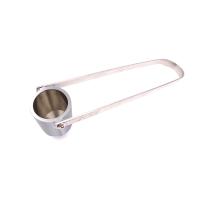
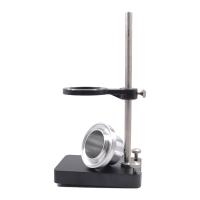
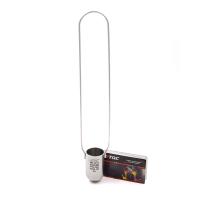
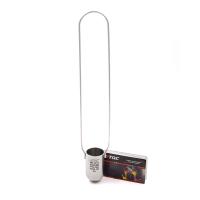
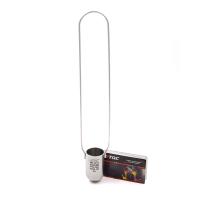
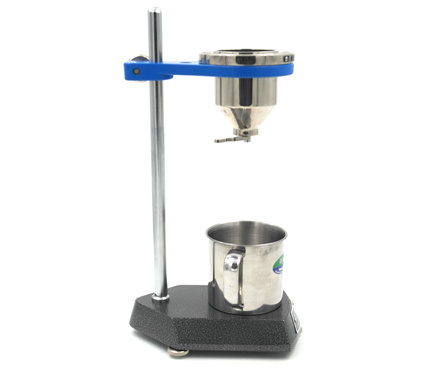
The construction of coil coatings mainly adopts the rapid roller coating method, so how to ensure the thickness and leveling performance of the paint film and ensure the smooth and smooth surface of the coating film is one of the purposes of paint viscosity measurement. The viscosity index of coil coating is generally measured by Tu-4 cup viscometer, generally between 80-120s, and the inspection method and standard adopt GB/T 1723-93 coating viscosity determination method. At present, online viscometers have been produced abroad, which are convenient and intuitive, and can be directly installed in the paint mixing tank to read the viscosity value at any time.
There are a few things to keep in mind when measuring viscosity:
1. The viscosity measurement temperature is controlled at 21-25°C. Because the temperature is too high, the viscosity measured is relatively small, and the temperature is too low, the viscosity is relatively large, which is not a standard value.
2. After each measurement, use the solvent corresponding to the coating to be tested to clean -4 cups to prevent the measurement hole from being blocked.
3. Use fingers or tools to seal the flow hole of the 4-cup, fill it with 100ml of paint, and scrape the air bubbles and excess samples into the groove with a glass to ensure that the 100ml is accurate;
4. Quickly move the switch and press the stopwatch at the same time. When the stream is interrupted, press the stopwatch in time to read the timing;
5. If the viscosity is too high, it needs to be adjusted. A suitable thinner can be added, but the thinner should not exceed 5% of the total mass of the coating.


- 1Application of Rotational Viscometer in surface Coating viscosity measurement
- 2Application of Rotational viscometer in Coating Viscosity Detection
- 34 factors that affect paint viscosity
- 4Coating viscosity determination and viscosity influencing factors
- 5Determination of paint viscosity
- 6Coating viscosity determination method and related standards
- 7How is Architectural coatings Viscosity measured?
- 8How to Measure Adhesive Viscosity?
- 9Effect of Carbon Black Pigment Characteristics on Coating Process