What is the Cupping test?
 In addition to the various properties of general coatings, coil materials also need to undergo post-processing such as deep drawing, bending, drilling, and occlusion, so the requirements for flexibility are higher than those of traditional coatings. The main indicators are cupping, impact, T-bend, adhesion and so on. The cupping test evaluates the resistance of coatings of paints, varnishes and related products to cracking or separation from the metal substrate after gradual deformation under standard conditions.
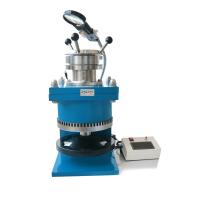
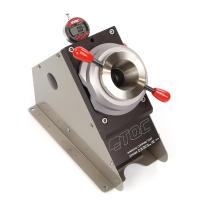
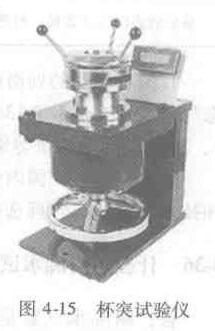
The measuring instrument for the cupping test is the cupping Tester (Figure 4-15). During the test, the cupping Tester pushes the punch out from the back of the sample at a constant speed and punches it to a specified depth to observe whether the coating is cracked or not. Fall off from the substrate to evaluate the ability of the coating to resist cracking; or push the punch out from the back of the scribed part of the sample at a constant speed, punch to the specified depth, stick it on the scribed part with transparent tape and tear it off, and pass the coating The cross-hatch adhesion after gradual deformation of the coating is evaluated by the peeled off area of the coating.
- 1Cracking resistance of coatings: Cupping test
- 2Cupping test and its role in Coating evaluation
- 3Study on the Influence of Stamping Speed on Cupping Outburst
程令霞;曹阳根;杨尚磊;邓沛然;张文瑞 - 《热加工工艺》
- 4Cupping test of sheet metal forming limit diagram
李伟锋;乔明杰 - 《锻压技术》
- 5Analysis of Factors Affecting Cupping test data
郑延福;付全科;荀建民 - 《理化检验(物理分册)》
- 6Film flexibility test
郑顺兴 - 《涂料与涂装科学技术基础》
- 7Paint and Varnish Cupping test
- 8Coating adhesion test --- Cupping test method (spherical pit test)
- 9Coating powder film Cupping test