The principle and main functions of STIP-scan
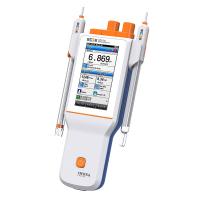
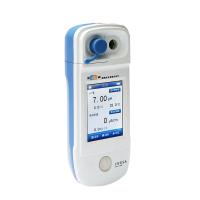
What is a water quality Detector? Water quality Detectors mainly refer to instruments that measure BOD, COD, ammonia nitrogen, total phosphorus, total nitrogen, turbidity, PH, dissolved oxygen and other items in water, and are widely used in many fields. Today we will mainly introduce the principle and main functions of the water quality Detector, hoping to help everyone.
The principle of water quality Detector
The principle of the general water quality Detector is to make the corresponding substances in the water participate in the electrochemical reaction or chemical agent reaction, and then calculate the content of the corresponding substances in the water through colorimetry, titration, conductivity measurement and other methods.
The main function of the water quality Detector
1. Micro-processing patent technology, user-friendly design, large-screen display, measurement flow chart text display, easy operation;
2. With a unique combination concept, more than 10 kinds of measurement indicators can be measured routinely or quickly; and 20 sets of measurement data can be stored according to needs;
3. Humanized and unique design, it can realize portable, desktop and hanging measurement methods according to the specific situation and site conditions;
4. Conventional power configuration, low battery reminder, can be set to automatically shut down in 0 to 120 minutes according to user needs;
5. Portable packaging, waterproof, anti-vibration rubber design, economical consumables, suitable for various water quality, river basin emergency, rapid and routine monitoring.





- 1Water quality testing routine 9 indicators
- 2Summary of relevant standards for water quality testing
- 3STIP-scan working principle, use method, application field
- 4Four differences between water quality test pen and STIP-scan
- 5Nine detection parameters of heavy metals water quality monitor
- 6Application of STIP-scan in fish pond water quality detection
- 7Eight Routine Test Indicators for Well Water Quality Testing
- 8STIP-scan FAQ and solutions
- 9What are the factors considered in STIP-scan selection?


