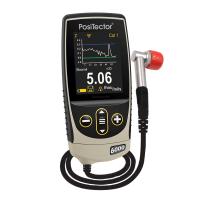
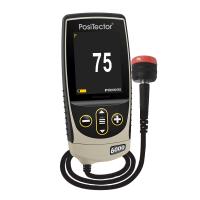
Application Scope and Selection Method of Film Thickness Measurement
scope and method
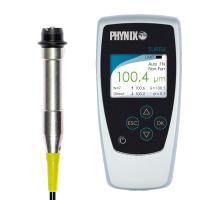
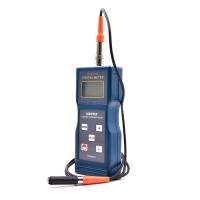
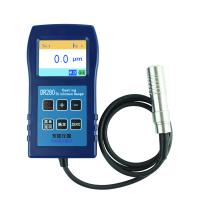
At present, there are various methods and instruments for measuring the thickness of paint film, and the occasion (laboratory or field), substrate (metal, wood, glass), surface condition (flat, rough, curved surface) and paint film thickness should be considered when selecting the method. Film state (dry, wet) and other factors, so that the detection equipment can be used reasonably and the test accuracy can be improved.
Influence of paint film thickness on coating performance test
In the coating performance test, the thickness of the paint film is the key. Taking mechanical paint as an example, the thickness of the paint film after drying is within the range of (1 8 ± 3) forest m according to the standard. If the measurement is performed under the following conditions, there will be phenomena such as poor adhesion of the paint film, low hardness, and peeling off of the paint film after impact, which will affect other performance indicators. In addition to the direct impact of the paint film thickness on the performance of the paint, we also need to check whether the paint is in a normal state when preparing the paint film, remove the surface crust if it is found, and dilute it to an appropriate thickness according to the product regulations, so that the coating becomes Uniform paint film, avoiding millennial orange peel wrinkling and pinholes.
For more details, please refer to the full text of "Testing Fanggu for Paint Film Thickness" (Deng Shaoqing, Sun Enyi)
- 1Principle, Characteristics and Application of Wet Film Comb
- 2Determination method of dry and wet paint film thickness
- 3How to detect the thickness of steel structure paint?
- 4Calibration methods of Film Thickness Gauge
- 5Measuring method of ISO 2808 film thickness
- 6Coating Thickness Gauge measurement circuit board film thickness scheme
- 7Application of Film Thickness Gauge in automobile paint thickness measurement
- 8Epoxy asphalt film thickness measurement solution
- 9Coating film thickness measurement scheme