Anticorrosive coatings for waterborne polyurethane coating
Coating Flexibility Test
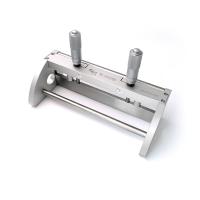
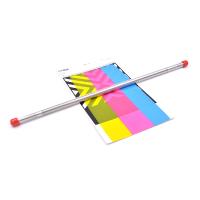
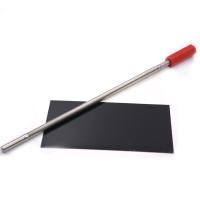
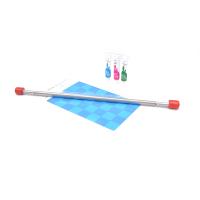
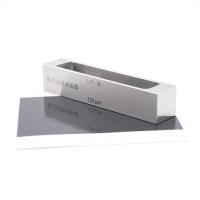
Tested according to GB1727-79 standard. After grinding, cleaning and drying the surface of the tinplate plate with a size of 120mm×50mm×0.3mm, use a Wet Film Applicator with a specification of 100μm to apply the paint film on the surface of the test plate. On, conduct the test, observe the failure of the sample, and record the size of the steel shaft when the sample fails.
Coating Pencil Hardness Test
Determination of paint film hardness according to the pencil method GB/T 6379-2006 standard test. After grinding, cleaning and drying the surface of the tinplate plate with a size of 120mm×50mm×0.3mm, apply the cured paint evenly on the surface of the test plate with a paint brush, and dry it at room temperature for 7 days. Test on the meter. Use pencils of the same hardness to conduct three scratch tests, observe the damage of the sample, and express the pencil hardness of the coating by the hardness of the hardest pencil that does not cause scratches of 3 mm or more on the coating.
Coating Adhesion Test
Test according to GB/T 9286-1998 standard. After grinding, cleaning and drying the surface of the tinplate plate with a size of 120mm×50mm×0.3mm, apply the paint film on the surface of the test plate with a Wet Film Applicator with a specification of 100 μm, dry it at room temperature for 7 days, and scratch it with a scratcher Then use transparent tape to stick to the crossed place, then pull off the tape, observe the damage of the paint film, and determine the level of its adhesion.
Testing of impact resistance of coatings
Test according to GB/T 1732-1993 standard. After grinding, cleaning and drying the surface of the tinplate plate with a size of 120mm×50mm×0.3mm, the paint film was applied to the surface of the test plate with a Wet Film Applicator with a specification of 100 μm. to test on. Conduct three impact tests on the same test plate, observe the damage of the sample, and record the height of the weight falling on the test plate.
Coating resistance to neutral salt spray test
Test according to GB/T 1771-1991 standard. After grinding, cleaning and drying the surface of the steel plate with a size of 120mm×50mm×0.5mm, apply the cured paint evenly on the surface of the test panel with a paint brush. After drying for 48 hours, apply the second coat. After drying at room temperature for 7 days, apply a 1:1 mixture of paraffin wax and rosin to seal the edge of the test plate before putting it into the test. The width of the edge seal is 2-3mm. Add the prepared 5% sodium chloride solution into the salt spray testing machine at 37°C, place the painted sample on the bracket at a certain angle (20°±5°) with the surface of the sample to be tested facing up, and observe the condition of the sample. Record the time when the change occurred.
Coating salt water resistance test
Test according to GB 1763-1979 standard method A (room temperature salt water resistance method). After grinding, cleaning and drying the surface of the steel plate with a size of 120mm×50mm×0.5mm, use a Wet Film Applicator with a specification of 100μm to apply the paint film on the surface of the test panel, dry it at room temperature for 7 days, and apply it before the test panel is put into the test 1:1 mixture of paraffin wax and rosin for edge sealing, edge width 2-3mm. Under the condition of (25±2)℃, prepare 5% sodium chloride solution by adding sodium chloride in distilled water, add 5% sodium chloride solution into the container, put the painted sample into it, and make it 2/3 of the length of each panel is immersed in the solution. Observe the condition of the sample and record the time when the change occurs.
Determination of paint film drying time
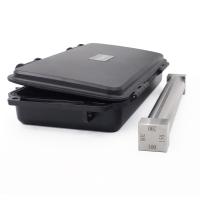
Tested according to GB 1728-79 standard. After grinding, cleaning and drying the surface of the tinplate plate with a size of 120 mm × 50 mm × 0.3 mm, the paint film is applied to the surface of the test plate with a Wet Film Applicator with a specification of 100 μm. Then dry according to the drying conditions specified by the product. Check whether the paint film is superficially dry or actually dry within a distance of not less than 1 cm from the edge of the film surface at certain intervals or at the time specified in the product standard. Surface drying time measurement method (finger touch method): lightly touch the surface of the paint film with your fingers, if you feel a little sticky, but no paint sticks to your fingers, the surface is considered to be dry. Determination of actual drying time (press filter paper method): put a piece of qualitative filter paper on the paint film (smooth surface is in contact with the paint film), gently place the drying Tester on the filter paper, start the stopwatch at the same time, after 30 seconds, remove the drying Tester Turn the model over (the paint film is facing downwards), the filter paper can fall freely, or tap a few times with the index finger of the hand holding the plate on the back, the filter paper can fall freely and the filter paper fibers are not stuck on the paint film, that is, the paint is considered The film is practically dry.
For more information, please refer to the full text of "Preparation of Waterborne Polyurethane Anti-corrosion Coating for Containers" (Zhang Hong)



- 1Overview of resistant coatings
- 2Characteristics and construction points of corrosion resistant Coatings
- 3Application of corrosion resistant coatings on reinforced concrete surfaces
- 4Technological development and application of heavy anticorrosive coatings
- 5Application and performance analysis of silicon diffusion coatings
- 6Research and application of chromium diffusion coatings
- 7High temperature oxidation and corrosion resistance performance and application of aluminum diffusion coatings
- 8Zinc diffusion coating performance process and application
- 9Chromate coating technology and its application