Use of color readers in Coating production
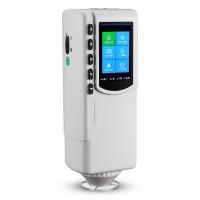
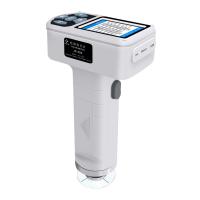
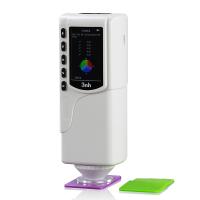
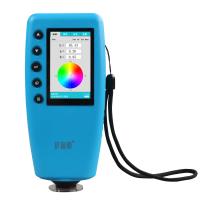
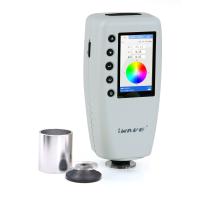
Colorimeters are an important tool in paint production for measuring and controlling color differences in paint samples. It is able to accurately measure the color of a sample and compare it to a target color or standard to assess the quality and consistency of the paint.
How to use and function:
Color measurement:
Colorimeters use optical sensors and related algorithms to accurately measure the color of paint samples. It is capable of measuring the chromaticity values of the sample, such as hue, saturation, and lightness, as well as chromaticity values, which are the difference from the target color or standard.
Color difference evaluation:
A Colorimeter compares the measured sample color to the target color or standard and calculates color difference values. These values can be used to evaluate the quality and consistency of the paint. If the color difference value of the sample exceeds the predetermined tolerance range, the color of the paint does not match the standard and needs to be adjusted or the production process needs to be adjusted.
Recipe adjustment:
Colorimeters can also be used in conjunction with computer software to help operators in paint production make recipe adjustments. By measuring the color of a sample, Colorimeters can provide accurate color data and guide operators in adjusting the addition or mixing of recipes to achieve the desired color, as required by the target color.
Quality Control:
Colorimeters play a key role in quality control in paint production. It can measure the color of each batch in the production process and detect and correct any color difference problems in a timely manner. This helps ensure that paint products are consistent and meet customer requirements.
In conclusion, a Colorimeter is an important tool in paint production for measuring and controlling color differences in paint samples. It can help manufacturers ensure that paint products are consistent, quality and meet customer requirements.
- 1FAQ of color difference meter and its solution
- 2Application in color difference detection of automobile surface painting
- 3Selection method of spray Colorimeter
- 4The key points of small Colorimeter selection
- 5How to choose a textile Colorimeter?
- 6Selection points of automatic Colorimeter
- 7Color difference meter selection, please pay attention to these points!
- 8Tide Review: Small Colorimeter CR-10 Plus
小潮
- 9Jin Zhun JZ-300 Universal Colorimeter Beauty Appreciation