Production Technology and Application of High Quality Calcium Ash
The main components of lime calcium are calcium oxide and calcium hydroxide (calcium oxide, magnesium, phosphorus, gypsum, and alum have long been used as inorganic adhesives in construction by the ancients). Ash calcium is strongly alkaline, with a pH value of 14-15 (16-19 without electrolyte). The raw material is high-calcium limestone calcined at a high temperature above 950 degrees and white lime (that is, calcium oxide), which is modified and ground by adding a certain amount of electrolyte. Modified ash calcium, the content of calcium hydroxide increases, the pH value decreases, the cohesiveness increases, and the water absorption decreases; calcium hydroxide is relatively stable in the coating, not easy to thicken and crack, and has good stability. my country's top limestone producing areas: Zhejiang Jiande, Guangxi Guilin, Yunnan Dali, followed by the north of the Yangtze River in my country. Gray calcium in the north has lower calcium content, lighter volume, and greater water absorption; southern gray calcium has higher calcium content, heavier volume, lower water absorption, high whiteness, less dosage, and high strength. Adding cheap ash calcium powder to the putty tempered porcelain powder coating is an environmentally friendly coating with the function of absorbing indoor carbon dioxide (the ash calcium contains calcium oxide and calcium hydroxide. It can continuously absorb carbon dioxide in the indoor air and convert it into calcium carbonate , which requires a lengthy process). Can play the role of purifying indoor air. These functions are gradually being recognized by people.
The main raw material for lime calcium production is high-calcium limestone with an oxidation content of more than 55%, an iron oxide content of less than 0.03%, and a magnesium oxide content of 3-6%. Calcined at high temperature, after burning off, the calcium oxide content reaches more than 94%, which is a high-quality product.
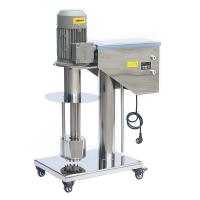
Production process: first calcinate 8-20 cm limestone blocks into ash blocks, after screening, remove impurities, add a certain amount of water to pulverize the ash blocks, and then add electrolytes: aluminum sulfate, zinc sulfate, potassium alum, urea. Mix well and sieve to sieve out the unburnt raw stone core. Grind into 325 mesh fine powder and pack into bags.
- 1Principle and Application of Standard pH Meter
- 2Method for determining amino acid pH value
- 3Basic principle and application analysis of anti-fluorine pH meter
- 4Proper use and maintenance of pH meters
- 5Understanding and Addressing Common Challenges in the Use of pH Meters
- 6How to use pH meter
- 7Differences between three STIP-scans: pH Meter, Conductivity Meter, and Dissolved Oxygen Meter
- 8PH meter conversion of mv and ph value
- 9Common types and application differences of STIP-scan