Experimental steps for performance testing of Spreader solution for interface modification
Table/Boundary Change the peeling strength of the coating: when testing the peeling strength of PP composite paper, the change of coating conditions and drying temperature will have a great impact on the test results, especially in the laboratory In the environment, many factors are not well controlled. In order to facilitate comparison, the following test standards are stipulated:
(1) Use PP synthetic paper with a thickness of 0.14mm;
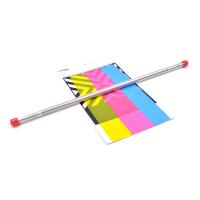
(2) Use optical rod coating/coating liquid for interface modification;
(3) The concentration of the coating solution for surface/interface modification is set to 8%, and the F reconstitution ratio of HDI and acrylate emulsion is 1:3;
(4) Immediately after coating with the coating solution for surface/interface modification, dry it in an oven at 90°C for 10s;
(5) The thickness of the suction layer should be thicker than the actual use, and uniformly use 44# wire bar coating (the coating thickness is 30±2×10 -3 mm ;
(6) In order to prevent the high temperature deformation of PP synthetic paper and affect the peeling strength test: use a hair dryer to dry the coating layer and simulate the environment of the workshop drying tunnel: after the coating layer is dried, stick a layer of PET tape on the surface of the PP composite paper , pay attention to tight fit.
(7) Place the above sample for 12 hours, so that the full cycle curing rate is above 90%;
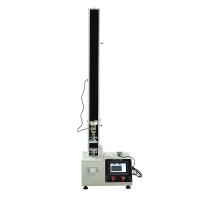
(8) Prepare the PP composite paper into a test sample of 301mm×120mm, and use the XLW-intelligent electronic Tensile Testing Machine to test the i formula under the condition of 100mm/min: test under this standard, if the PP composite paper is damaged, it will be It shows that the peeling strength of the coating meets the requirements of use.
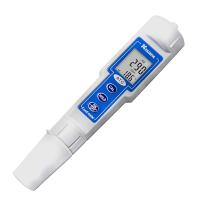
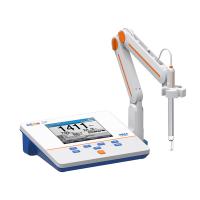
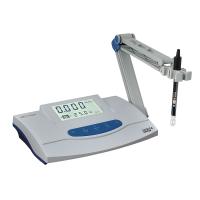
Conductivity: use the digital conductivity meter DDS-11A to test the surface/boundary to change the conductivity of the coating solution for modification with the standing time.





- 1Principle, application and selection of Electric Oven
- 2Principle, application and selection of Electric Oven
- 3Principle, application and selection of ozone sterilizing oven
- 4Principle, application and selection of tunnel oven
- 5Working principle and application analysis of laboratory oven
- 6The Working Principle of Gel Conductivity Meter Has Been Detailed
- 7Why Do Film Applicators Need to Change Their Wires Regularly?
- 8Mayer-Rod (Mayer Rods) Preparative 2D Copper Nanosheets
- 9Detection Principle and Application Analysis of Conductivity Meter