Mechanical protection performance and Electrochemistry protection performance of coating
Mechanical protection performance
The mechanical protection performance of the coating means that when the coating completely covers the substrate, the coating acts as a physical barrier to general corrosive media, preventing chemical substances from contacting the substrate, thereby protecting the substrate from chemical corrosion. Since this barrier is the effect of the mechanical properties of the metal coating, it is also called mechanical protection performance or physical protection performance. However, if the coating is incomplete or has pores, the coating will lose its protective effect when encountering a strong corrosive medium. The way to enhance the mechanical protection performance is to increase the thickness of the coating, or use multi-layer coating to reduce the porosity, but this will obviously increase the cost of electroplating.
Electrochemical protection performance
The corrosion of the coating is usually electrochemical corrosion, because there is always a potential difference between the coating and the substrate or multi-layer coating, and at the same time, there are often chemical residues such as metal salts hidden in the surface or pores of the coating. Moisture can easily cause corrosion of the battery. The electrochemical protection performance of the coating means that when the electrochemical corrosion occurs, if the coating is oxidized as the negative electrode of the corrosion battery, the substrate is protected . This protective is electrochemical protection. This coating with electrochemical protection is also called anodic coating.
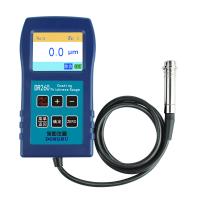


- 1Eletroplating platings thickness measurement
- 2Film thickness arbitration method - metallographic method
- 3What tests are required for Eletroplating?
- 4Influencing factors of vapor coating
- 5Effect of surface state on coating mass
- 6Coating internal stress and inspection
- 7Coating Hardness Characteristics
- 8Binding strength of different coatings
- 9Electro-coating process for coating protection