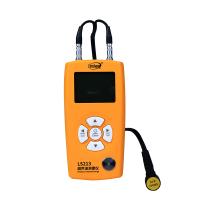
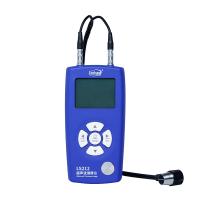
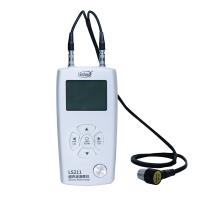
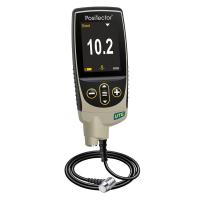
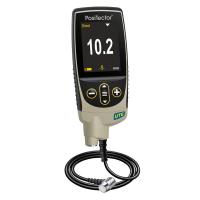
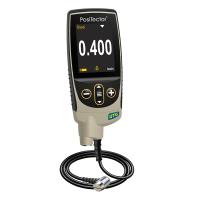
PosiTector UTG Ultrasonic Wall Thickness Meter calibrated and Accuracy verified
Three steps ensure great accuracy...
1. Calibration - usually performed by the manufacturer. All probes include a calibration certificate.
2. Accuracy Verification - done by the user against known reference standards such as calibration step blocks.
3. Adjustment - Measure a known thickness or sound velocity of the material
calibration
Calibration is a controlled and documented process of measuring traceable calibration standards and verifying that the results meet the precision specified by Gage. Calibration is usually performed by the gage manufacturer or an accredited calibration laboratory using documented procedures in a controlled environment. The standards used in the calibration are such that the combined uncertainty of the resulting measurements is less than the stated accuracy of the Gage.
verify
Gage accuracy can and should be verified using known reference standards for the material being tested.
Validation is an accuracy check performed by the user using known reference standards. Successful verification requires the Gage to read within the combined accuracy of the Gage and the reference standard.
To prevent measurements with incorrectly adjusted gages, verify the gages at the beginning and end of each work shift. During a work shift, if the Gage is dropped or suspected to be giving false readings, it should be re-verified for accuracy.
In the event of physical damage, wear, high usage, or after established calibration intervals, the Gage should be returned to the manufacturer for repair or calibration.
Adjustment
Adjustment or calibration adjustment is the act of aligning the gage's thickness readings with those of a known reference sample.
- 1Erosion and Corrosion Coating Thickness Testing of Defelsko Coating Thickness Gauge Solutions
- 2PosiTector UTG Ultrasonic Film thickness probe - Operating principle
- 3Improved method for improving the performance of plastic profiles
- 4Defelsko Positector Ultrasonic Wall Thickness Meter UTG C and UTG M Probes Difference