Safety measures for closed cabin operations on ships (Gas detection)
The personnel working on site must strictly implement the company's rules and regulations, and need to implement the closed space entry permit and operation risk control measures inspection system. Without permission, no one is allowed to open or enter the closed space. Before being allowed to enter, adequate and effective ventilation is required, through instrument testing, and only after confirming that the conditions for entering a closed cabin can be entered.
1. Confirmation of sealed cabin conditions
(1) Effective ventilation
Effective ventilation of the cabin is an important measure to provide a safe environment for the operators in the cabin , so it needs to be effective and sufficient. For ships with multi-layer cargo holds , effective ventilation . Especially for deep cargo tanks, adequate and effective ventilation is required. Uninterrupted mechanical forced ventilation measures should be maintained during the entire operation to prevent the second hypoxia in the cabin. If the operation is suspended for some reason or the closed cabin is reopened Before operation
Mechanical ventilation is required when entering a closed compartment with a long cavity or poor natural ventilation effect (such as double bottom, side tank, fresh Water Tank, anchor chain tank, oil tank and empty tank, etc.) . When mechanical ventilation , explosion-proof ventilation mechanical measures are to be adopted. It is necessary to control the ventilation time and ventilation volume, check the inlet and outlet of the ventilator and ensure it is unblocked to prevent false ventilation. At the same time, it is strictly forbidden to use pure oxygen for ventilation.
(2) Detection of air concentration
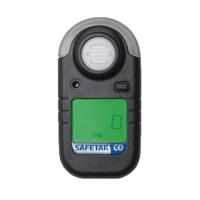
After the cabin has been effectively ventilated, the operators of the ship also need to detect the concentration of oxygen, carbon dioxide and toxic gases in the air in the cabin before entering the cabin . It is stipulated that the oxygen concentration before entering the cabin shall not be lower than 18%, and the carbon dioxide concentration shall not be higher than 1%. The test for harmful gases should be 0. The method of air detection can be carried out according to the actual situation at that time. Portable oxygen Detectors, carbon dioxide Detectors and poison Detectors are usually used for detection on ships . When testing, special attention should be paid to the corners and bottom of the cabin. If the test results fail to meet the relevant requirements, effective ventilation should be continued until the standard test results are met. It is strictly forbidden for personnel to enter the cabin without confirming whether the air quality in the cabin meets the specified requirements . In addition, when entering manholes and closed cabins to detect or sample air, the inspectors need to wear self-contained air respirators and are not allowed to wear filter gas masks, because filter gas masks do not produce oxygen and can only filter air. Some toxic gases have certain restrictions on the environment in which they are used. At the same time , relevant test records should be made.

2. Operation of closed delivery room
When entering the cabin for inspection and operation, it is necessary to arrange guardians. Personnel entering the operation should wear protective equipment such as seat belts and lights, and should communicate with the guardians outside according to the prescribed contact signals. The guardians must never leave the work site without authorization, and be highly vigilant. staff to get in touch. During the guardianship, it is not allowed to leave the post for any reason, flee from the post, or enter the depths of the cargo hold without authorization. Warning signs should be placed on the job site.
For the cabins where oxygen and carbon dioxide concentrations are prone to change during operation, and when the operation time is long, the concentration changes of oxygen and carbon dioxide , and effective measures should be taken according to the detection results. Self-contained air respirators, safety belts, cables and other safety protection equipment should be carefully and strictly checked before entering the cabin every time , and should be replaced immediately if any abnormality is found, and must not be used.
3. Emergency measures for accidents
When the operator in the cabin finds that there are abnormalities , he must immediately realize that there may be hypoxia or poisoning in the cabin, stop the operation immediately and evacuate, and report to the guardian; if the operator suddenly faints, In the event of a fall or unconsciousness with unknown reasons, the guardians also need to first think that it is caused by hypoxia or poisoning. They should keep calm and report quickly . Accidents occurred due to operational errors . Rescuers need to wear self-contained air , and it is forbidden to wear a filter-type gas mask to rescue people in the cabin. Rescued persons who have suffered from hypoxia should be quickly carried to a place with fresh air for on-site rescue such as artificial cardiopulmonary resuscitation, and at the same time , contact the medical unit as soon as possible for further rescue and treatment.




- 1The working principle and application of compound Gas detection device
- 2Basic Principle and Application of Portable Gas Detector
- 3Application of Gas Detector in petrochemical industry
保时安 - 《保时安》
- 4Ion Science teaches you how to shock test and calibrate Gas detection equipment?
- 5Where should Sensors be installed for point Gas detection systems?
- 6Gas detection Common detection items/detection methods and testing standards
- 7How to perform Gas detection analysis in limited space operations?
- 8Gas detection principle and characteristics of conventional industry
李 杰 - 《中国石油克拉玛依石化公司》
- 9The working principle and use and maintenance of toxic and harmful gas alarms
张 瑜 - 《天津联维乙烯工程有限公司》