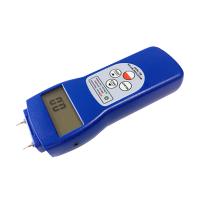
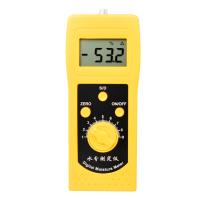
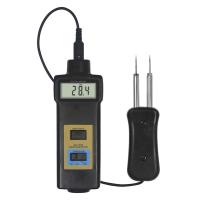
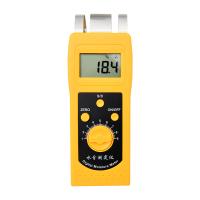
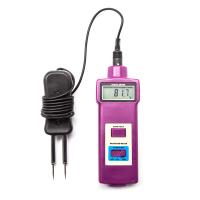
Unconventional uses of three Moisture Meters
Most people are familiar with the common use of hygrometers as tools for construction workers and water damage restoration professionals. However, these devices are used for more than ensuring that concrete slabs meet ASTM F-2170 standards and that rooms that were once affected by moisture intrusion are now dry again.
What are some of these unconventional uses for hygrometers? Here are three lesser-known uses for Moisture Meters, taken from our "Moisture Meters 101" guide:
Use #1: Check HVAC System Effectiveness
This is a common occurrence, especially for people who live in hot, humid areas along the coast; the building's thermostat is reading a nice, cool 74°F, but everyone is sweating. You're not sure if the HVAC is working properly, if the thermostat itself is broken, or if the room's ambient humidity just makes you feel like you're covered in sweat.
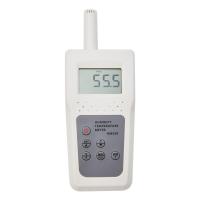
A hygrometer can be used in buildings to take readings of both the actual temperature and the relative humidity of the room. Compare the results of the thermo-hygrometer reading with the thermostat. Is the temperature reading close to what the thermostat is giving? If so, what is the relative humidity of the room? The answers to these questions may tell you if your HVAC system is completely worn out, or if the building has too much moisture for people to feel comfortable with.
With a hygrometer, you can diagnose a problem without spending the cost of hiring a professional HVAC technician to investigate, or at least knowing you need one.
Use #2: Pest Control
 Did you know that common household pests like ants, termites, cockroaches and mice are absorbed into waters with high concentrations? For years, pest control professionals have used this fact to identify the highest concentrations of pests in buildings in order to eliminate the problem.
How do exterminators find these areas of high humidity? Pinpoint the source of moisture in your structure by using a hygrometer.
Using these devices, the zapper can find pockets of water hidden in structural materials, track its possible source, and plant bait, poison, and traps as needed. In addition, he or she can alert the building's owner to the source of moisture so that it can be removed, thereby eliminating a source of nutrition for unwanted pest animals.
It is important to remove these pests when found, as they can cause serious damage to buildings and their materials. For example, mice can chew through electrical wires, termites eat wooden support structures, and many other pests can be vectors of different diseases, making them a threat to human health.
Speaking of health risks, which brings us to our last unusual hygrometer use on this list…
Use #3: Improve workplace health and safety
Wet construction materials are a hazard to the health and safety of people in the workplace. Damp drywall, wood floors and even concrete not only present a risk of mold, which can be a health hazard for people with sensitive respiratory systems, they can act as breeding grounds for bacteria.
The combination of mold and bacteria contributes to increased disease incidents in people who work near these health hazards. By using a hygrometer to find wet building materials, building owners can find these risky areas where bacteria can thrive and remediate them, reducing the risk of workers getting sick (leading to a corresponding reduction in sick days used).


- 1Tide Review: Inductive Moisture Meter MS310-S
- 2How to analyze the moisture content in drug powders?
- 3Several forms of paper moisture content
- 4How to measure paper moisture
- 5How can I make sure I get an accurate reading from a hygrometer?
- 6Troubleshooting Guide: The Most Common Reasons for Incorrect Reading from Moisture Meters
- 7Application of Halogen Moisture Meter in Quality Control of Grain and Flour
- 8Three common problems with Moisture Meters
- 9Moisture meter replaces traditional moisture measurement method