ASTM F 2357-04 Printing ink and coating on the keys of the Norman Tool "RCA" test panel to judge its wear performance
4
4.1 Human fingers will repeatedly press the buttons on the panel. Or there will be other contact during use, transportation and storage, such as wiping, cleaning and friction, which will cause wear and tear caused by friction, so that the surface coating and paint will be worn away.
4.2 This experimental method can be applied to a wide range of materials testing. The main criteria are visual inspection and wear-through during surface wear.
4.3 The degree of wear depends on many variables. The test method provides a comparison of the abrasion resistance of related ink and coating products, but does not provide data on abrasion caused by human finger abrasion. It is just a comparative experiment under the conditions of the same equipment, abrasive materials, experimental conditions and weight weights.
4.4 This experimental method can be used for quality inspection, research and development tools for testing products, or comparing similar products.
5
5.1. Inconsistent wear can affect experimental results. Be sure to pay attention to the method of clamping the sample, do not deflect the sample, so as not to affect the experimental results,
5.2. Uneven surfaces can be tested, but may cause repeatability of the test results. Some instruments cannot be used to test uneven surfaces
5.3. Better testing of smooth surfaces. If the surface of the sample is inconsistent, such as a rough surface, be careful at this time, and the user should pay attention to the different test results that may be caused by the different surface of the sample.
6
6.1. The instrument can provide two wear test methods: continuous friction and inching friction
6.2 Test Instruments
6.2.1 Norman Tool RCA Abrader
6.3 Sample holder, an instrument of sufficient strength and rigidity to allow a sample to be fixed to the instrument
6.4 Abrasive Media: Supplied by Norman Tool
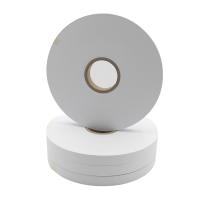
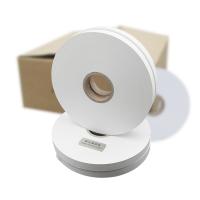
6.4.1 0.6875 inch wide paper (RCA tape), used in most fields,
6.4.2 0.25 inch wide polyester tape is recommended for testing samples with concave surfaces
7. condition
7.1. Abrasive medium and sample storage conditions: Unless an agreement is reached between the buyer and the seller, the normal range is temperature 23±2 C, 50±10% relative humidity, placed for 24 hours,
7.2 Test conditions: Test in a standard laboratory with an indoor temperature of 23±2 C and a relative humidity of 50±10%.
8. Installation
8.1 The sample should be fixed on the sample holder, which is relatively orthogonal to the grinding head.
8.2 Cleanliness of sample surface: free from grease, fingerprints and sand
8.2.1 Use a clean cloth containing n-heptane and isopropanol—not linen
8.2.2 Gently wipe the sample surface with the above cloth
8.2.3 Allow the sample to dry naturally—at least 2 hours
8.2.4 Carefully check whether the surface of the sample is damaged during the wiping process
8.3 Examine the ink and paint in the test area of the surface of the sample
8.4 Installing abrasive substances
8.5 Weights adjusted to specified weights
9. Process
9.1 Put the points to be tested on the sample under the grinding head
9.2 Adjust the weight of the weight to 175g, unless there are special requirements
9.3 Gently lower the grinding head to the sample surface
9.4 Start the abrasion test
9.5 Test the sample to the specified number of revolutions, or observe surface wear. Determine the sample wear limit is when the first layer wears to see the color of the second layer (does not apply to transparent samples). When observing the degree of wear, you can stop the test and look at the sample.
NOTE: When the test is interrupted and the sample is found to be unfrayed, it is recommended not to move the sample. If the sample is moved and then replaced it may cause inconsistent test points.
During 9.6, brush or compressed air can be used to gently remove the worn-out impurities left on the surface of the sample.
The above translation is for reference only, and the English version of ASTM F 2357-04 shall prevail.
- 1Working principle and application of UV coating Cupping testing device
- 2Application of shakeout Tester in organic polymer film abrasion resistance testing
- 3Application of shakeout Tester in aluminum surface coating abrasion resistance testing
- 4Paint film abrasion resistance and test method thereof
- 5Polyethylene (PE) coating indentation hardness inspection and its importance in pipeline corrosion protection
- 6Paint film abrasion resistance and its test method - rubber abrasive wheels method
- 7Determination of abrasion resistance of paint film
- 8Determination method of paint film abrasion resistance and its importance
- 9Coating performance testing: the key to ensuring quality coatings