Difference Between Colorimeter and Spectrophotometer
Various methods of color matching exist, from fan decks and paint chips to smartphone cameras and virtual painting apps. However, two common and accurate methods of color matching are Colorimeters and Spectrophotometer s. While the purpose of both instruments is to precisely match colors, each has advantages and disadvantages that make it suitable for certain color matching jobs.
What is a Spectrophotometer?
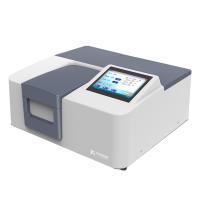
As the name implies, a "Spectrophotometer " uses the visible color spectrum to map the colors on any surface. It does this by measuring reflected and transmitted light, and then forms a reflectance curve to describe the color of that surface. "Spectros," as those in the industry call them, can also measure color using multiple light sources or lighting environments. Spectrophotometers can have different geometries or measurement capabilities to suit different color measurement scenarios. Three common spectral geometries are 45/0, d/8, and multi-angle.
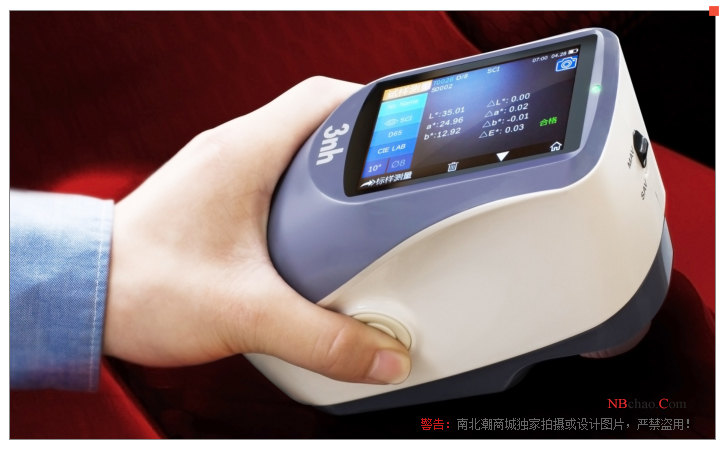
What is a Colorimeter?
A Colorimeter is a tool that measures color by mimicking the way the human eye sees and understands color. A Colorimeter uses a set light source to refine the measurement into three values (also known as tristimulus values), red (R), green (G) and blue (B). The Color Muse is a Colorimeter that can match devices of their type and cost with a high degree of accuracy. Learn more about Color Muse here.
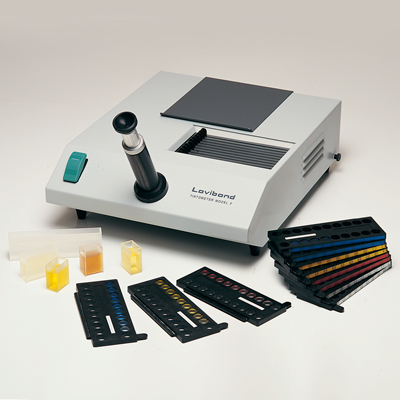
Do you need a Colorimeter or a Spectrophotometer ?
The type of color matching technique you need depends on what you're trying to do. Colorimeters are powerful devices when it comes to matching solid colors and comparing similar colors. While usually smaller devices are sold to DIY customers as a means of avoiding the hassle of paint chips, a good Colorimeter can produce accurate results for effective basic QA and inspection. They typically offer more mobility than benchtop Spectrophotometer s and are great for DIY projects, printing, and painting.
However, when it comes to identifying metamerism, or the phenomenon of color changing when viewed under different light, a Spectrophotometer is the way to go. Spectrophotometers provide the vast amount of color data needed to identify exact matches and determine formulas. Industries such as automotive paint use Spectrophotometer s to measure automotive paint that can have effects and look different in various lighting conditions.

- 1Application of Flame Atomic Absorption Spectrophotometry in Detection of Food Talc Powder
- 2Talking about the performance test of epoxy resin film coated on PET
- 3Spectrophotometer principle, structure and application do you know geometry?
- 4Principle, characteristics and application of ultraviolet Spectrophotometer
- 5Spectrophotometer Color Measurement Fundamentals
- 6Differences between visible, ultraviolet-visible, infrared, fluorescent and atomic absorption Spectrophotometer s
- 7Detection of nicotine content by Spectrophotometer
- 8How to detect the color difference of fluorescent color-changing materials?
- 9Liquid color difference detection solution