Eletroplating coated Film thickness is insufficient or Film thickness is too large
In some cases, it may be necessary to increase the thickness of the workpiece surface. A thicker coating improves the durability of the substrate and makes it harder for potentially damaging forces -- such as corrosion or exposure to harsh chemicals -- to impact product quality. Increased coating thickness will also increase the volume of the finished product, which may be a requirement for structural and similar heavy-duty applications.
Electroplating is one of the great ways to coat metal objects when maximum thickness is required. The electroplating process allows for greater control over coating thickness than many other metal finishing techniques. Additionally, electroless plating - which requires the coating to be applied by an autocatalytic reaction rather than an electrical current - provides an even greater influence on coating thickness.
What are the consequences of insufficient coating thickness?
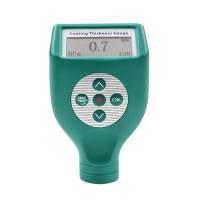
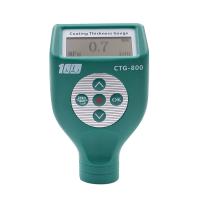
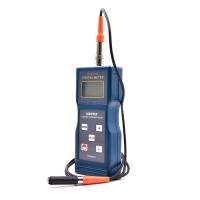
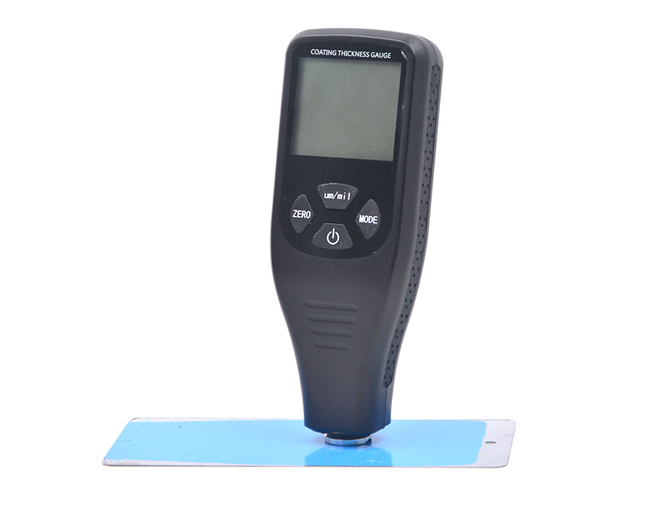
Failure to use the proper coating thickness (detection instrument: coating Thickness Gauge) for the application can lead to several problems:
● Voids: Voids, called voids at the microscopic level, are the conditions in which the coating on or beneath the workpiece is visible. Voids increase the risk of corrosion and reduce the aesthetic appeal of the finished product. It also reduces the time frame in which additional coating applications need to be applied. Salt spray and nitric acid vapor tests can detect the presence of voids.
● Precision rusting: Precision rusting can occur when the coating is too thin to provide adequate cathodic protection to the substrate. Rust can appear on the least protected surface areas.
● Cracking/brittleness: When the coating is applied below the required thickness, it can negatively affect the physical properties of the coating. This results in a brittle surface that is more prone to cracking.
Attempts to correct for insufficient coating thickness after the fact are often problematic, as increasing the thickness can compromise the structural integrity of the coating. Scratching - a modified process requiring scraping, etching or burning - may be necessary.
Consequences of Excessive Coating Thickness
While a coating that is too thin can affect the quality of the finished product, a coating that is too thick can also have unintended consequences. Excessive coating thickness is often the result of application errors and can result in:
Peeling /flaking: Coatings that are too thick can become brittle, flake off, or flake off, even before the object is put into use.
Cracking : Excessive coating thicknesses can lead to high internal stress levels which can lead to cracking or delamination.
● Roughness: Deposits that are too thick can create a rough surface texture, which can damage the appearance of the part or make it more difficult to apply a secondary coat.



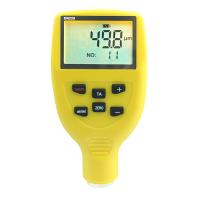
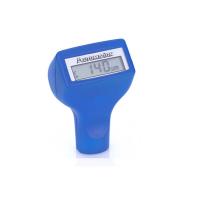



- 1Nondestructive measurement Coating thickness
- 2Principle, application and selection of traffic coatings Coating Thickness Gauge
- 3Principle, Application and Selection of Eddy current Coating Thickness Gauge
- 4Principle, Application and Type Selection of Electronic Coating Thickness Gauge
- 5Explore the principle, application and selection of phosphating layer Coating Thickness Gauge
- 6Principle, Application and Type Selection Analysis of Chrome Coating Thickness Gauge
- 7Principle, Application and Selection of Coating Thickness Gauge for inner wall of small pipe
- 8Basic principle and application scenario of steel Coating Thickness Gauge
- 9Principle and Application Analysis of Coating Thickness Gauge