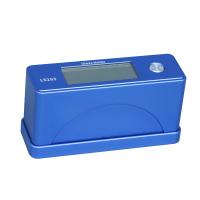
Glossiness measurement standard
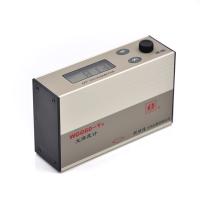
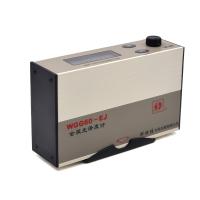
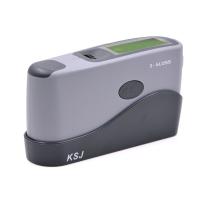
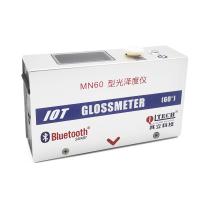
Gloss meter is also known as gloss meter, gloss measuring instrument, gloss unit (GU). The GU scale of the gloss meter is based on a highly polished reference black glass standard with a specified index of refraction and a specular reflectance of 100GU at a specified angle. Fouling is suitable for most non-metallic coatings such as paints and plastics. For other highly reflective surfaces, such as mirrors or electroplated and raw metals, higher values of 2,000 GU can be achieved when measured at 20 degrees. Many industries have chosen to adopt the 20/60/85º geometry specified in ASTM D523. In the United States, the three main gloss measurement standards are D523 Measurement of Specular Gloss, D4039 Measurement of Reflective Haze of High Gloss Surfaces, and D4449 Measurement of Difference Between Similar Appearance Surfaces.
If you are in the initial stages of learning gloss measurement, there are certain differences that the human eye can detect. The detectable difference in gloss depends on the gloss of the sample when measured at 60 degrees. For example, a 3.0 GU gloss difference can be easily detected on one surface but not another. When measuring a gloss difference of 3.0 GU on a matte surface, a value of about 5 GU can be seen with the naked eye. However, the same difference in a high gloss coating measuring around 60 GU would be very difficult to notice.
The real way to determine product tolerances is through experimentation, by preparing printed samples of different gloss levels that you can show directly to clients or in-house "professionals" to get feedback on getting it right.
Another way is to use a 20/60/85 degree Tri-Gloss instrument. By using a gloss viewing angle of 85 degrees, you can be more sensitive to gloss differences below 10 GU @60º, and using a gloss viewing angle of 20 degrees will have higher gloss on high gloss coatings (above 70 GU @60º) resolution. The advantage of using a 20/60/85 degree Tri-Gloss instrument is more equal gloss differences, in our experience a trained observer can only see a 5 GU difference in gloss when measured with the correct geometry.

- 1Principle and Application of Glossiness Tester
- 2Working Principle and Application of Metal Gloss Meter
- 3Basic principle and application analysis of insulating paint gloss Detector
- 4Working principle and application analysis of film Glossmeter
- 5Principle and application analysis of microporous gloss meter
- 6 FZ/T 01097 Analysis of fabric gloss test method
- 7Evaluation and Application of Optical Properties of Powder coatings
- 8Coating coatings - Determination of surface gloss and Gloss meter
- 9The Importance and Method of Gloss Measurement of Paint Film