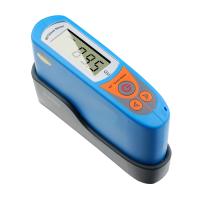
Mirror glossiness - ASTM D523
ASTM D523 covers the measurement of specular gloss on non-metallic samples for 60º, 20º, and 85º Glossmeter geometries.
The geometry of the angles and apertures is chosen so that these programs can be used as follows:
The 60º geometry is used to compare most samples and to determine when the 20º geometry is more applicable.
20º geometry facilitates comparison of 60 gloss values above 70
The samples of the .85º geometry are used to compare samples that are glossy or near-grazing glossy. Typically applied when the 60º gloss value of the sample is below 10.
Glossiness is related to the ability of a surface to reflect more light in certain directions. Directions associated with specular surfaces (or specular reflections) are usually highly reflective. Measurements by this test method correlate to visual observations of surface gloss at approximately corresponding angles.
ASTM D523 measured gloss ratings were obtained by comparing the specular reflectance from the sample to the specular reflectance from a black glass standard. Since specular reflectance also depends on the sample's surface index of refraction, the measured gloss level varies as the surface's index of refraction changes. However, specular indices of refraction are often compared when obtaining visual gloss ratings.
Because instrument ratings are more affected by surface refractive index variations than visual ratings, inconsistencies between visual and instrumental gloss ratings can arise when comparing high-gloss sample surfaces with different refractive indices.
Reference: ASTM D523 Standard Test Method for Specular Gloss