Efficiency of VOC and PID Detection in HAZMAT
Accidents Involving Volatile Organic Compounds Many hazardous substance incidents involve volatile organic compounds (VOCs), a large chemical family consisting mainly of hydrocarbons such as petrol, alcohol, methane and acetone, and the BTEX family, including benzene , toluene, ethylbenzene and xylene. Typically, VOCs have a high vapor pressure at ambient temperature, which means that liquids give off easily detectable vapors.
The power of PID detection is in
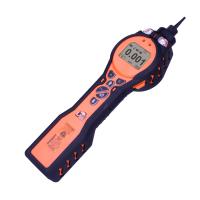
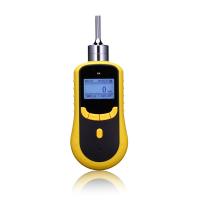
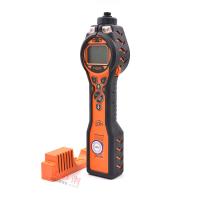
The importance of speed and accuracy in identifying hazards cannot be overemphasized in First Response and government defense. PID Detectors enable hazardous substance responders to identify the presence of gases and vapors and then quantify them.
PIDs can monitor ambient air for parts per million (ppm) and parts per billion (ppb) concentrations of volatile organic compounds (VOCs) to assess hazards and determine whether leaked fugitive gases are toxic.
Based on the information provided by the PID instrument, the First Response team can determine safe distances from the scene and potential gas leaks to establish an accurate control perimeter to keep personnel and any bystanders safe.
Although PIDs are not specific in gas selection, their continuous and near-instant response rates allow first responders to ensure their job safety by ensuring their exposure to hazardous chemicals is limited.
Combining flexibility and accuracy, PIDs provide first responders with a gas detection tool that can be integrated into all phases of the public safety process.
Summarize
During contamination, decontamination, and remediation, PID sensors can quickly monitor, acquire, and record measurements to provide vital information about cleanup procedures, as well as in postmortem analysis, enabling first responders to learn from each incident .