Grease performance index: acid value
Acid value refers to the number of milligrams of potassium hydroxide required to neutralize free fatty acids in lg of oil. Acid value is an index to test the content of free fatty acid in oil. Determining the acid value of oil can not only evaluate the quality of oil, but also judge the change of quality , and also provide the calculation necessary for the oil alkali refining process. alkalinity. At present, the main method for measuring the acid value of oils and fats is the titration method, and its test standard is GB/T5530-2005 Determination of acid value and acidity of animal and vegetable oils and fats. Specifies the method for the determination of acidity in animal and vegetable fats and oils (two titration methods and one potentiometric method), usually expressed in terms of acid number. The hot ethanol method is the reference method, and the cold solvent method is suitable for light-colored oils, not for waxes.
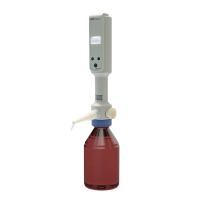
The principle of the hot ethanol assay is to dissolve the sample in hot ethanol or a mixed solvent, and titrate it with sodium hydroxide or potassium hydroxide aqueous solution. The instruments used include conventional laboratory instruments and a microburette 10mL, and the minimum scale is o. 02mL.