Testing Principle and Characteristics of Starch Viscometer
There are many types of viscometers, and the operation is different, and the viscometers used are also different. Although the pasting viscosity value can be measured as long as the Rotational Viscometer is used. However, according to the characteristics and viscosity range of different types of viscometers, as well as the characteristics of keeping samples at a constant temperature, there are many viscometers that are expensive but have mediocre performance. However, using a starch viscometer to measure starch gelatinization is a cost-effective choice.
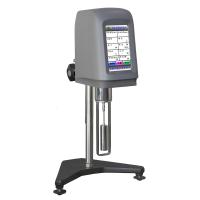
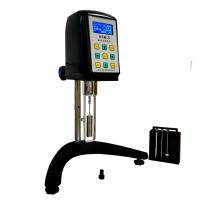
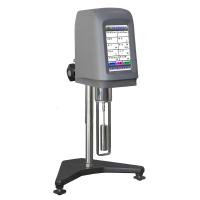
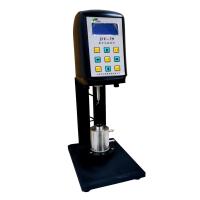
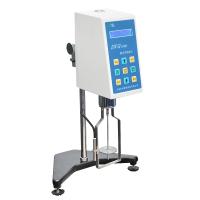
The starch viscometer itself has a constant temperature device for constant temperature measurement. It can be directly connected to a constant temperature Water Bath to keep the starch sample warm, without the need for additional constant temperature devices such as glass jacketed beakers. The upgraded version of the starch viscometer is a liquid crystal display value, which is convenient and intuitive, and the information collection is simple and convenient. The starch viscometer is designed with automatic control functions for the measurement process, including sensor lifting control, sample rotation and stirring heating, PID constant temperature control, sensor cleaning and other functions; The system is designed to automatically judge the end of measurement, save and print measurement data, playback historical measurement data, search for keywords in measurement data files, and store and display SD card data.
Features of starch viscometer:
intelligent automatic temperature control system, high degree of automation;
full Chinese man-machine interface, real-time display of data charts, simple and convenient;
simple operation, easy to use, easy to clean;
whole process data monitoring, convenient data storage and query .
The above is the understanding of the relevant knowledge of the starch viscometer. I hope it will be helpful to novices, so that everyone can master the starch viscometer better and faster.



- 1Viscosity of polypropylene (PP) amide measured by NDJ Viscometer
- 2Which Viscometer to Choose for Licorice Extract Viscosity Testing? How to Test?
- 3Application of Rotational Viscometer in juice viscosity test
- 4Working Principle, Classification and Application of Capillary Viscometer
- 5Principle, Characteristics and Application of Dial Viscometer
- 6Basic Principle and Application of Ceramic Viscometer
- 7Principle, Characteristics and Application of QND Viscometer
- 8Determination of epoxy resin viscosity by Rotational Viscometer
- 9Rotational viscometer selection suggestions


