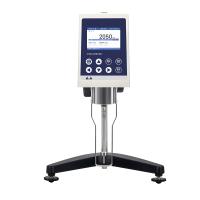
The use of Rotational Viscometers
In order to use the Rotational Viscometer better, the following 7 requirements need to be met before using the Rotational Viscometer. Let's take a look at it point by point.
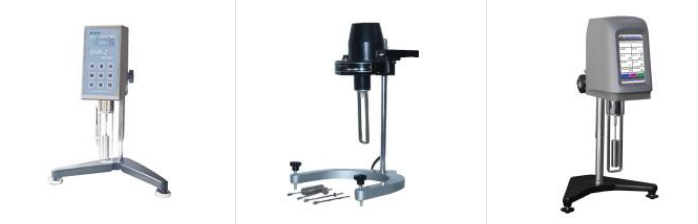
1. The performance indicators of the instrument need to meet the requirements of the National Metrology Verification Regulations. The instruments in use should be checked periodically, and if necessary, intermediate self-examination should be carried out to ensure that the measurement performance is qualified and the coefficient error is within the allowable range, otherwise accurate data cannot be obtained.
2. Pay special attention to the temperature of the measured liquid. Special attention should be paid to keeping the temperature of the liquid to be measured constant near the specified temperature point, and it should not exceed 0.1°C for accurate measurement.
3. Selection of measuring container. For the dual-cylinder Rotational Viscometer, it is necessary to read the instrument manual carefully. Different rotors match the corresponding outer cylinders, otherwise the measurement results will deviate greatly. For a single-cylinder rotary viscometer, in principle, the outer cylinder radius is required to be infinite, and the actual measurement requires that the inner diameter of the outer cylinder, that is, the measuring container, is not less than a certain size.
4. Correctly select the rotor or adjust the speed so that the indication value is between 20 and 90 divisions. If the indication value is above 90 grids, the torque generated by the hairspring will be too large, which will easily cause creep and damage the hairspring, so the rotor and speed must be correctly selected.
5. Frequency correction. The corrected formula is that the actual viscosity is equal to the indicated viscosity multiplied by the nominal frequency divided by the actual frequency.
6. The depth of the rotor immersed in the liquid and the influence of air bubbles. The rotary viscometer has strict requirements on the depth of the rotor immersed in the liquid, and it needs to be operated according to the instructions. When the rotor is immersed in the liquid, there are often air bubbles. Most of them will float up and disappear after a period of time after the rotor rotates. Sometimes the air bubbles attached to the lower part of the rotor cannot be eliminated. The existence of air bubbles will bring large deviations to the measurement data, so tilting Slowly dipping the rotor is an effective method.
7. Cleaning of the rotor. The rotor used for measurement should be clean and free of dirt. Generally, it should be cleaned in time after measurement, especially after measuring paint and adhesives. Pay attention to the cleaning method, soak it in a suitable organic solvent, and never scrape hard with metal products, because serious scratches on the rotor surface will cause deviations in measurement results.



- 1Rotational viscometer - principle, classification, application and calibrating
- 2Application of NDJ-8S digital Rotational Viscometer in viscosity measurement of cosmetic raw materials
- 3NDJ-5S digital Rotational Viscometer accurate measurement of natural oil viscosity
- 4Application of HBDV-1H swirl/spin High Temperature Viscometer in Viscosity Determination of Plastic Particles
- 5Rotational viscometer selection guide: How to choose the right viscosity equipment for you?
- 6Principle, type and accuracy control of Rotational Viscometer
- 7Which Viscometer to Choose for Licorice Extract Viscosity Testing? How to Test?
- 8Application of Rotational viscometer in Waterborne Polyurethane Adhesive
- 9Application of Rotational Viscometer in cellulose material