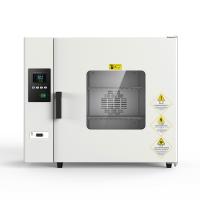
Application difference between desktop electric blast Drying Oven and vertical structure
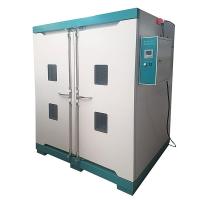
1. The vertical electric heating constant temperature Forced Air Drying Oven adopts a cuboid structure that falls to the ground, and is generally placed directly on the laboratory floor. The test instrument is generally on the top of the drying box, which is easy to operate. The vertical blast drying box uses imported fans from the United States, vertical and vertical forced convection, so that the temperature in the office is even, and it can be in accordance with the national standard (± 2%). Due to the special structure of the air duct, the fan is at the bottom of the box, which is natural air convection.
The vertical electric heating constant temperature Forced Air Drying Oven has a large power and structure, and is suitable for various products or materials such as electrical appliances, spectrographs, instruments, components, electronics, electrical engineering and transportation tools, aviation, communications, plastics, machinery, and chemicals. , food, chemicals, and hardware tools are dried under constant temperature background conditions and various constant temperature suitability attempts are made.
2. The desktop electric heating constant temperature Forced Air Drying Oven adopts a horizontal box structure, and the instrument is on the right side of the box. The box is small and dexterous and easy to move. In industrial and mining companies, colleges and universities, pharmaceuticals of living substances, food processing, scientific research, medical units and various laboratories for drying, drying, wax melting and disinfection of non-flammable, explosive and non-volatile things. For bacteria.
The desktop electric heating constant temperature Forced Air Drying Oven uses a hot air circulation system, which is composed of a fan that can run continuously at high temperatures and a special air duct. The temperature in the office is average, and it is widely used for drying glass containers. The heat of experimental samples, food, and chemical things changes gender. , thermal hardness, thermal softening, nutrient expulsion, the dry heat of containers and utensils in living material engineering kills germs, and the drying and aging of electronic components.



- 1Principle, application and selection of vertical Electric Forced Air Drying Oven
- 2Principle, application and selection of pigment Drying Oven
- 3Principle, application and selection of electric heating air Drying Oven
- 4Principle, application and selection of vacuum electric Drying Oven
- 5Principle, application and selection of nitro paint Drying Oven
- 6Principle, application and selection of industrial hot air circulation Drying Oven
- 7Principle, application and selection of Drying Oven with timed blast
- 8Principle, application and selection of small Drying Oven
- 9Working principle and application analysis of pointer Electric Forced Air Drying Oven