Classification and typical application of laboratory ovens
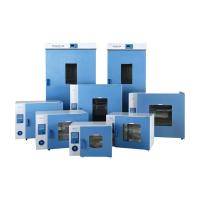
Laboratory Ovens - Types
Heavy Duty Ovens: Mainly used in industrial environments. These ovens come with heavy fittings and furniture, and the cabinets are usually stronger. Uses/Applications include 'Batch Curing' and 'Drying Performance' and 'Dye Penetration Testing'.
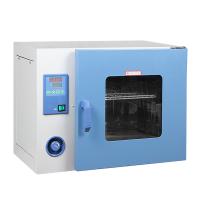
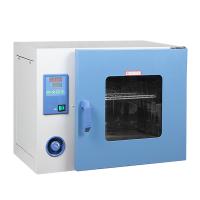
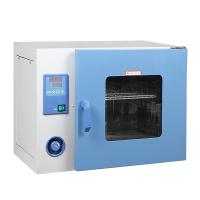
Standard Digital Oven: Manufacturer provides precise control and ensures safety. Standard specifications include: digital controller; and internal fan circulation with safety thermostat.
Hot Box Oven: Ideal for environments where more basic specifications are acceptable. They are equipped with hydraulic temperature control and safety thermostat as standard.
Wax Melting Oven: For melting and maintaining molten wax for histological purposes. Specs include: security thermostat, drip pan and wire racks.
High Temperature Ovens: These ovens are custom built to high standards and specifications and therefore have extra insulation in the doors and inside the cabinet walls. Heavy-duty accessories are standard for more robust industrial environments, ideal for asphalt testing.
Materials Testing Oven: Designed for a rugged working environment, ideal for testing asphalt and other construction materials. Fabrication with heavy duty furniture and industrial steel cabinets is standard.
Soil Drying and Aggregate Furnaces: Manufactured for soil and aggregate testing, including drying of biological samples. These are heavy duty built with a choice of hydraulic dial controls or digital controllers. The highest temperature obtainable is 120°C.
Drying Ovens: These are sometimes called moisture extraction ovens. They are commonly used for quick drying and extraction of moisture from soil plants and pellets. Silicone seals are installed in doors and chambers to provide great insulation.
Drying Cabinets: These are typically used to dry glassware, plastics and hollowware. The highest temperature can reach 60°C. These cabinets can also be used in combination with circulation and extraction fans to achieve stable temperatures and rapid removal of moisture from samples.
Hot Air Sterilizers: These sterilizers can reach temperatures of 250°C or 300°C to meet the needs of life science laboratories. A timer is included, and additional accessories include an audible alarm if desired.
Dual Purpose Incubator/Oven/Sterilizer: This all-in-one device provides a cost-effective solution for both industrial and general-purpose environments and is suitable for a variety of applications. Select Incubator or oven settings with just one touch.

- 1Laboratory oven type principle fault problem maintenance
- 2Principle, application and selection of Electric Oven
- 3Principle, application and selection of Electric Oven
- 4Principle, application and selection of ozone sterilizing oven
- 5Principle, application and selection of tunnel oven
- 6Working principle and application analysis of laboratory oven
- 7Hot Air Oven FAQ and its solution
- 8Precision oven FAQ and its solution
- 9Oven FAQ and its solution