Gloss measurement: High Gloss, Medium Gloss to Low Gloss
Gloss measurement
Gloss is the visual impression obtained when evaluating a surface. The more light-months directly reflected, the more obvious the gloss.
What is high gloss?
Smooth and highly polished surfaces reflect images clearly. Incident rays are reflected directly on the surface, that is: only in the main reflection direction. The angle of incidence is equal to the angle of reflection.
What is medium gloss and low gloss
On rough surfaces, light diffuses in different directions. Image quality is reduced: the surface of the reflected object no longer appears bright but blurry. The more average the reflected light, the lower the intensity of the reflected light in the main reflection direction, and the more obscure the surface appears.
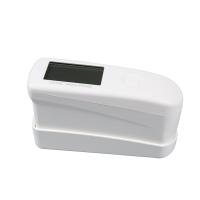
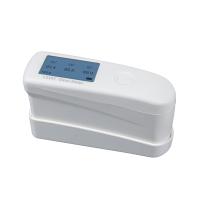
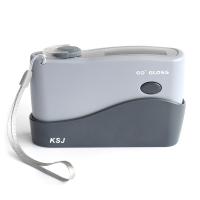
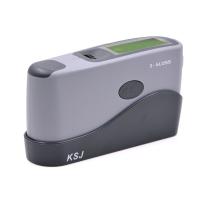
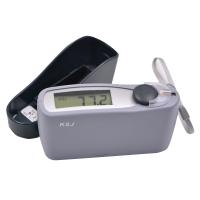
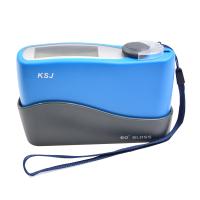
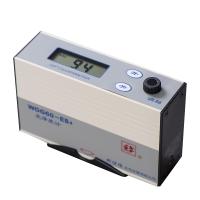
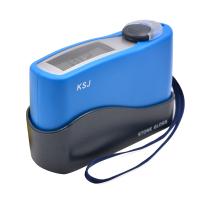
Gloss measuring instrument - gloss meter
A gloss meter measures mirror-reflected light. It measures the intensity of light over a small range of reflection angles. This light intensity is related to the material and the angle of incidence. For non-metallic (paint, plastic) materials, the increase in the angle of incidence increases the increase in the reflected light plastic. The remaining reflected light passes through the surface of the material and is absorbed or scattered, depending on the color. In contrast, metals have much higher reflectivity, and do not have as much to do with changes in reflection angles as non-metals. According to international standards, general gloss meters define three angles, namely: 20 °, 60 ° and 85 °.

- 1Working Principle and Application of Metal Gloss Meter
- 2Coating performance testing: the key to ensuring quality coatings
- 3Coating coatings - Determination of surface gloss and Gloss meter
- 4Application of Glossmeter in paper surface gloss detection
- 5Glossmeter for paints film gloss detection
- 6How is Gloss Meter applied to copper gloss detection?
- 7Application of Glossmeter in wood gloss detection
- 8Application of Glossmeter in furniture paints gloss detection
- 9How to detect enamel gloss with Glossmeter?