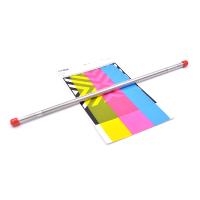
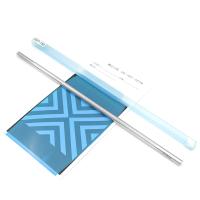
Application of different types of RDS Spreader Metering rods
wire wound rod
Original "Mayer" stick. Popularized by Charles Mayer in the 1920s, and still popular. Available in sizes 3 to 75, including many half sizes. Size refers to wire diameter in mils (.001 inches). Wire rods can be stripped and rewound for cost savings and less waste. There are no minimum fees for wire-wound rods, and no installation fees.
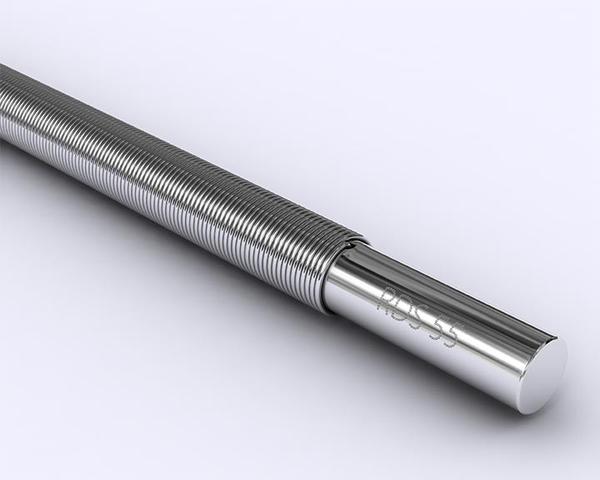
Forming rod
Formed (threaded, grooved, etc.) rods are rolled from a solid steel rod and are very similar to wire wound rods. The groove is the same size as the cavity between the wire windings and determines the thickness of the coating. However, the radius in the groove of the shaped rod is less prone to clogging and easier to clean than its wire wound equivalent.
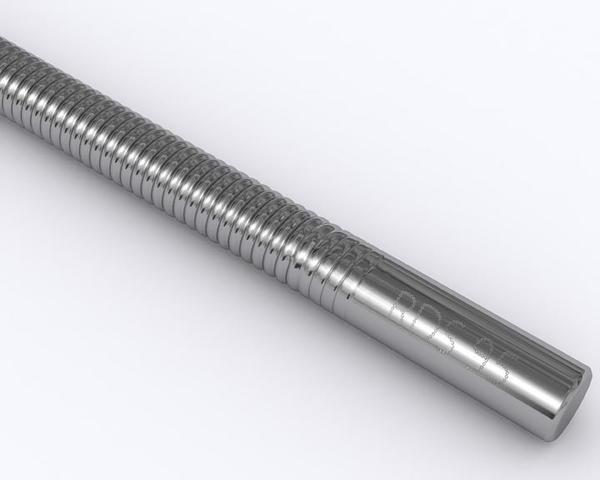
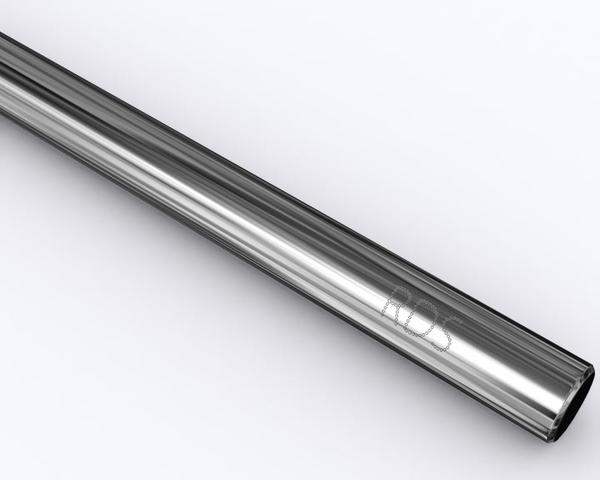
smooth rod
Typically used to smooth previously metered paint onto paper, cardboard and plastic film. Coating thickness is controlled by pressure (relative to backup roll) or web force. RDS smooth rods can be ground to meet any surface finish requirement, and hard chrome plating can significantly extend rod life.
notch stick
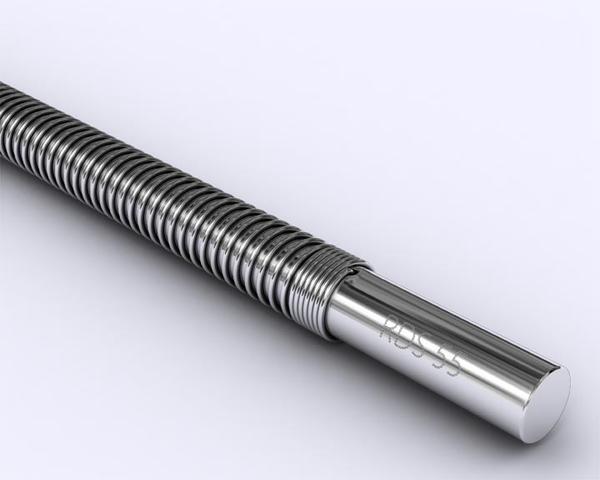
For higher viscosity materials, gapped rods reduce clogging and eliminate lines. By wrapping the smaller wires at some spacing (see picture), the cavities created are wide and shallow, allowing thick coatings to flow better. Smaller wires create smaller breaks in the coating flow, allowing for more complete wetting of the coating. While gapped rods are less durable than double wound rods, they are also less expensive.
double winding rod
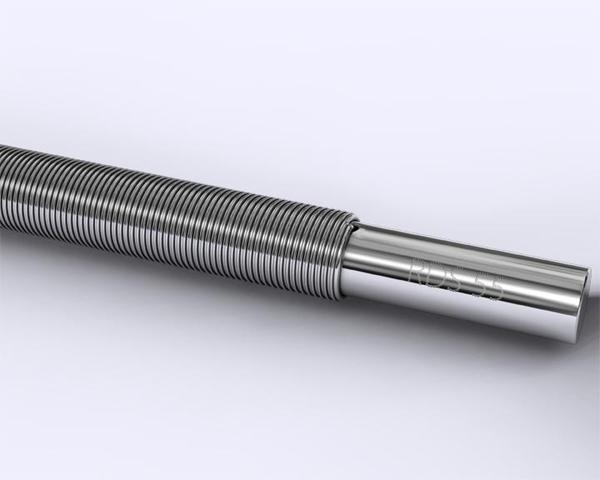
For higher viscosity paints, the double wound rod reduces clogging and eliminates lines. By wrapping a smaller wire around a larger wire (see photo), the cavity created is wide and shallow, allowing thick coatings to flow better. A smaller top line creates smaller breaks in the coating flow, allowing for more complete wetting of the coating. Although double-wound rods are more expensive than gapped rods, they are also more durable.
- 1Coating Metering rodsFAQ
- 2Coating Metering rod: Mayer-Rod
- 3
- 4Cleaning, maintenance and service life prediction of coated measuring rods
- 5Analysis of Advantages and Disadvantages of Mayer Wire Bar Coater
- 6Explanation of the principle and structure of the wire rod applicator
- 7How to choose these experimental coating equipment?
- 8Why are paper coaters and converters transitioning to forming metering grooves?
- 9Metering Coating Stick Notes