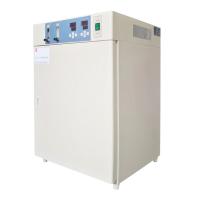
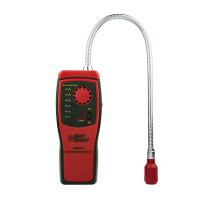
What is a CO2 Incubator? Why do you need a CO2 Gas Detector?
What is a carbon dioxide Incubator?
Laboratory Incubators are generally divided into two main markets, operating with gas and gas-free Incubators (also known as microbial Incubators). Typically, an Incubator is used to grow and maintain cell cultures, with carbon dioxide gas used as the control variables, including temperature, humidity, and pH.
CO2 Incubators are designed to replicate the natural environment of cells and are commonly used in biology laboratories performing tissue or cell culture. CO2 is used to maintain the atmosphere, usually for days or weeks at a time, or to increase growth depending on the desired outcome. Carbon dioxide gas levels are typically measured up to around 5%, but this will vary depending on the application.
CO2 Incubators often have sensors built into the system so the fluid level can be constantly monitored throughout the process. A lab technician, cell biologist or embryologist will be changing the level of CO2 on a regular basis depending on the results they want to achieve, which is why process monitoring of the gas is important, but why you need to consider your personal safety as well Same
Why do you need a carbon dioxide Detector?
Facilities that use CO2 in Incubators and other processes typically store cylinders on-site and transport them through a network of pipelines. Storing large quantities of CO2 gas in a house can quickly become a fatal health hazard in the event of a leak.
As little as 0.5% increase can start to have an impact on the body. Those required to work full-time, often eight-hour hours, in a laboratory need to be protected by TWA (time-weighted average) CO2 concentrations that are monitored by global workplace safety standards, including EH40 and OSHA.
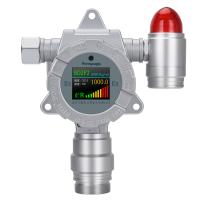
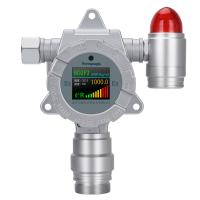
Installing fixed CO2 Detectors will ensure that your laboratory and those who work in it (including any part-time staff or students) are protected from potential CO2 leaks. Remember that exposure to CO2 can be fatal, about 5% CO2 gas can cause shortness of breath, confusion and dizziness, if the concentration rises further, the exposed person may lose consciousness and eventually die.
Also consider using personal CO2 alarms for all employees working in different areas as a backup to the main fixed installation or to ensure they are fully protected at all times whenever there are fixed monitors.
All employees need to be trained and educated on the hazards of working with CO2 Incubators and the potential risks that may cause spills in a laboratory setting.





- 1Principle and Application Analysis of Composite Four-in-One Gas Detector
- 2Introduction to Working Principle and Application of Carbon Monoxide Gas Detector
- 3Basic Principle and Application of Portable Gas Detector
- 4Basic Principle and Application Analysis of Gas Detector
- 5What is the alarm value of Gas Detector?
- 6What is phosphating Gas Detector?
- 7What is a laboratory Incubator?
- 8What is a combustion analyzer?
- 9Application Scheme of Gas Detector in Coking Coal Metallurgy Industry
保时安 - 《保时安》