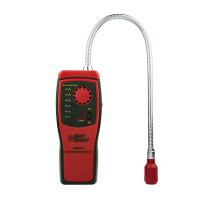
Selection and use of toxic Gas Detectors
Toxic fumes can be produced in many industrial settings and are one of the most dangerous hazards workers face on a regular basis. Without proper detection systems, toxic gases can accumulate from confined spaces inside offshore rigs or medical laboratories, causing many injuries or deaths. As a result, many companies are now investing in specialized systems that not only detect these gas buildups as quickly as possible, but also provide accurate and reliable results under a wide range of environmental conditions. To learn more about toxic gas detection solutions, here is important information about their capabilities and uses.
environmental conditions
Because of the many variations in industrial environments, it cannot be overemphasized that the technology used in toxic Gas Detectors can withstand a variety of harsh operating environments. Whether these conditions include the high humidity levels common on offshore drilling platforms, extreme temperatures in warehouses or storage areas, or shock and vibration caused by industrial equipment, Gas Detectors need to be able to continuously provide accurate and reliable data. To do this, they use a display with built-in magnetic switches, allowing it to be calibrated and configured without exposing the Detector's sensitive electronics to potentially damaging elements.
microprocessor
One of the biggest advancements in the development of toxic gas sensor technology has been the use of microprocessors. Utilizing new wireless technologies, they enable sensors to connect to a facility's existing wireless network. Once complete, real-time data can be sent to smartphones and other mobile devices, giving engineers and technicians immediate access to new information.
portable monitor
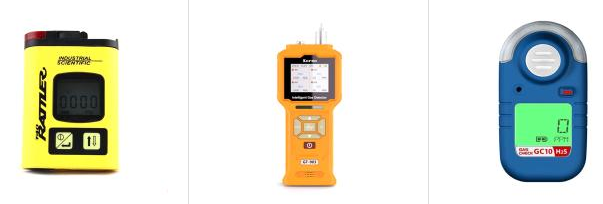
Because so many industrial settings, laboratories and warehouses require careful monitoring in confined spaces, many companies are now opting to use portable toxic gas monitors as an additional tool to track gas levels in these areas. Often difficult to monitor due to isolation, portable monitors allow engineers and others working in these areas to monitor gas levels not only before entering, but also while performing tasks such as equipment installation and repair. At the same time, the data from these portable monitors is not only transmitted to on-site engineers for analysis, but also to off-site monitoring centers in case of an emergency requiring advanced analysis.
Alarm Relay System
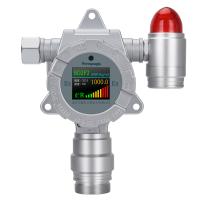
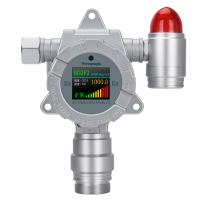
Alarm relay systems can be an important aspect of toxic gas detection, playing a role that cannot be overemphasized in ensuring that employees and others in the area can evacuate quickly and safely should dangerous toxic gas build up. Because today's Detectors and sensors are designed to work well in a wide variety of operating environments, they are equipped with different alarm relay systems that include sirens, strobe lights and strobe lights. With these features, the system can be used in areas where noise can be a factor, or where workers may be dispersed within a large facility and sirens are required to warn them of potentially dangerous situations.




- 1Principle and Application Analysis of Composite Four-in-One Gas Detector
- 2Introduction to Working Principle and Application of Carbon Monoxide Gas Detector
- 3Basic Principle and Application of Portable Gas Detector
- 4Basic Principle and Application Analysis of Gas Detector
- 5What is the alarm value of Gas Detector?
- 6What is phosphating Gas Detector?
- 7What is a combustion analyzer?
- 8Application Scheme of Gas Detector in Coking Coal Metallurgy Industry
保时安 - 《保时安》
- 9Application of Gas Detector in Medical Manufacturing
保时安 - 《保时安》