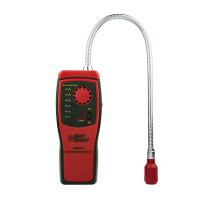
Determine why the results provided by the field gas sensor are inaccurate?
A properly functioning Gas Analyzer is an important part of any facility's safety and health policy. This is especially true when one considers the danger posed by an undetected buildup of flammable gases, which can often result in a fire or explosion that damages or destroys the entire facility. Therefore, determining why a Gas Analyzer is not providing accurate readings is a core part of any comprehensive workplace safety program. In addition to the potential legal issues that could arise, if a Gas Analyzer does not provide accurate readings, it presents an obvious danger to both the facility and employees. However, it is important to determine why the analyzer is not giving accurate results in order to find an effective solution.
poor location
To be effective, Gas Analyzers need to be placed in such a way that the atmosphere around them characterizes the entire area to be protected. Improper placement can destroy that goal. For example, placing an analyzer near a door may give inaccurate readings due to the mixing of indoor air with air from the outside space. Also, placing the analyzer near an area where flammable gases are normally emitted may see higher readings than the combustion chamber. Therefore, Gas Analyzers should be placed in areas exposed to average gas levels, not areas where extreme conditions may occur in either direction.
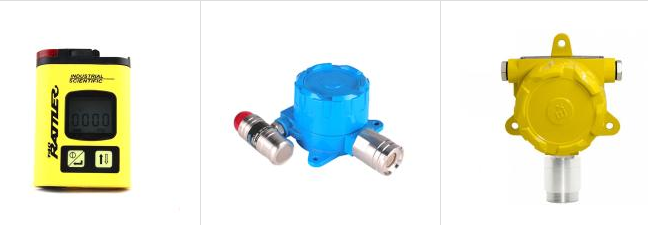
bad calibration
An important part of installing and maintaining a gas sensor is proper calibration. There is more to a properly calibrated sensor than simply being accurate in and of itself. They can contribute to the overall information about the facility generated by the gas sensor network. Therefore, each sensor needs to be calibrated on a regular basis, and employees should be trained and evaluated to properly calibrate all sensor types that will be used in the factory. Along with its other benefits, regularly calibrating sensors can help facilities detect when sensors need to be replaced. Finding that multiple sensors, especially newly installed ones, are reading incorrectly is often an indication that the company's calibration policy needs review.
poorly maintained
When major failures occur on the job site, the people who perform improper or delayed maintenance are often nobodies. It is important to maintain a regular sensor maintenance schedule and promptly repair or replace sensors that fail inspection. Additionally, if there is an unexpected increase in the number of sensors requiring repair or replacement, management should immediately determine the root cause. In some cases, these problems may be the first sign of a more serious failure within the facility.
Gas analyzers are the first line of defense against the potential hazards of toxic or flammable gases. By ensuring that a facility's analyzer network is functioning properly, potential hazards to the physical plant, facility employees, and the surrounding community can be eliminated. Therefore, maintenance of any Gas Analyzer should always be considered a top priority by management and its employees.





- 1Principle and Application Analysis of Composite Four-in-One Gas Detector
- 2Introduction to Working Principle and Application of Carbon Monoxide Gas Detector
- 3Basic Principle and Application of Portable Gas Detector
- 4Basic Principle and Application Analysis of Gas Detector
- 5What is the alarm value of Gas Detector?
- 6What is phosphating Gas Detector?
- 7What is a combustion analyzer?
- 8Application Scheme of Gas Detector in Coking Coal Metallurgy Industry
保时安 - 《保时安》
- 9Application of Gas Detector in Medical Manufacturing
保时安 - 《保时安》