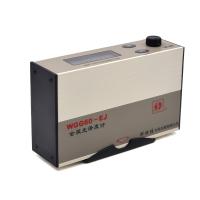
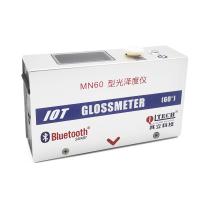
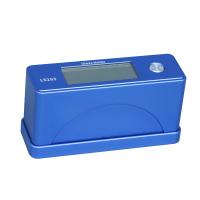
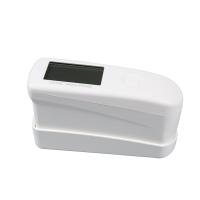
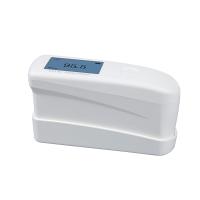
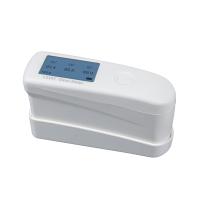
What is a gloss meter?
A gloss meter is a tool used to quantify the gloss or sheen of a surface. The device measures specular reflection, or the amount of light reflected from a surface. Gloss meters rely on Gloss Units (GU) to express gloss and gloss. The unit is based on a reference measurement using black glass, which has a GU value of 100. The higher this value, the glossier the surface being measured, there can be thousands of values on high gloss materials.
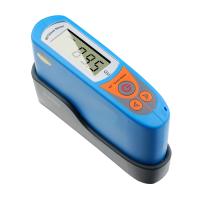
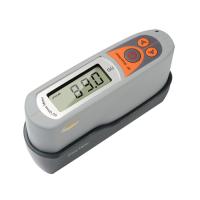
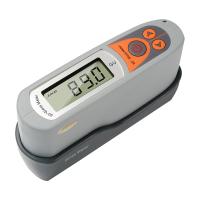
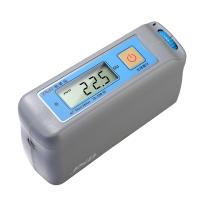
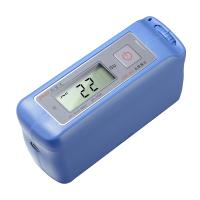
The Average Gloss Meter fits in the palm of your hand and is comparable in size to a calculator or smartphone. It includes a light source that can be applied to the surface during the measurement to create fixed lighting conditions. Gloss meters also include optical sensors for calculating specular reflection. The display on the device provides the surface's GU. Different gloss meters are designed for specific projects and applications and may not be suitable for all jobs.
When measuring the glossiness of a surface, the angle of the gloss meter can greatly affect the reading. For high-gloss surfaces, the gauge should be at a shallow angle to the material. Medium gloss finishes require moderate angles, usually between 50 and 70 degrees. Low-gloss applications generally provide the highest accuracy when the gauge is at an acute angle to the surface. Metals are less angularly dependent than other materials, and some products, such as plastic or vinyl, have fixed industry-specific lighting angles.
These tools can be used to measure everything from car finishes to furniture. They can also be applied to print and paper, as well as plastic or specialty coatings. Gloss meters can also be used to measure surface finish in building materials and finished building projects.
For a basic example of a gloss meter and its benefits, consider a marble or stone flooring project. These surfaces are often polished to a high-gloss sheen to bring out their natural color and beauty. This meter can be used to test a newly installed marble floor to determine if it meets project specifications. It can also be used to measure the glossiness of existing stone floors, showing homeowners the potential benefits of floor refinishing or restoration. By taking a second gloss meter reading after the restoration is complete, the contractor can provide measurable data on the floor's sheen or gloss improvement.



- 1Principle and Application of Glossiness Tester
- 2Working Principle and Application of Metal Gloss Meter
- 3Basic principle and application analysis of insulating paint gloss Detector
- 4Working principle and application analysis of film Glossmeter
- 5Principle and application analysis of microporous gloss meter
- 6 FZ/T 01097 Analysis of fabric gloss test method
- 7Evaluation and Application of Optical Properties of Powder coatings
- 8Coating coatings - Determination of surface gloss and Gloss meter
- 9The Importance and Method of Gloss Measurement of Paint Film