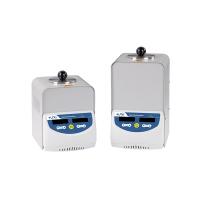
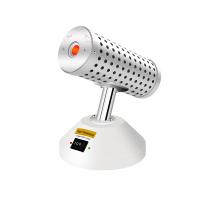
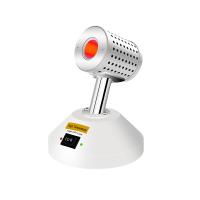
The principle of the sterilizer and the common reasons for the failure of the sterilizer?
How does sterilization work?
How Sterilization Works
Sterilizers use one of three media to kill microorganisms: steam, unsaturated chemical vapor, or dry heat.
Until now, steam sterilizers were also called autoclaves. The CDC says steam sterilization is "reliable and economical" for sterilizing critical and semi-critical items that are not sensitive to heat and moisture.
Autoclaves kill bacteria and other organic materials by directly exposing them to a certain temperature and pressure for a certain period of time. Specifically, moist heat "kills through irreversible condensation and denaturation of enzymes and structural proteins," the CDC said.
If any of the three parameters steam, temperature or time are turned off, the autoclave may not be able to eliminate biological contamination. If the steam does not contact all parts of the instrument, microbes may escape unscathed. If the steam is not hot enough, its lethal effect will be reduced. And, if the steam doesn't stay on long enough, some contaminants may survive the ordeal.

What can cause a sterilizer to malfunction?
To keep your sterilizer in top working order, always ensure that the sterilizer is maintained according to the manufacturer's recommended schedule and that detailed records of this maintenance are documented.
However, assuming there are no mechanical issues, your sterilizer still may not be able to neutralize all biological material. According to the CDC, common causes of sterilization failures include:
Improper cleaning of the instrument. Debris left on the instrument may prevent steam or other disinfectants from reaching the surface of the instrument. For a primer on cleaning tools, check out this related blog post.
Improperly packaged or overpacked. If the wrong type of material or too much material is used to pack the instrument, vapors or chemical reagents may not be able to penetrate the interior of the instrument. It is important to use a proven sterilization package that has been used with the type of sterilizer you are using (e.g. steam). Hu‑Friedy's sterilization packs or sachets are steam permeable but can withstand the rigors of an autoclave.
Overloaded or improperly loaded. When instruments or cassettes are jammed tightly together inside the sterilizer, they can prevent the sterilant from reaching every surface of the instrument, making the instrument unable to be sterilized. For sterilizers and sterilization packaging, the manufacturer's recommendations need to be followed to ensure proper loading of instruments.
Clearly, instrument sterilization is a complex process – and in a busy practice, this complexity makes it all too easy to make innocent mistakes that can put the health of staff and patients at risk. This is where monitoring and testing comes into play.





- 1Sterilizer selection knowledge
- 2What cooling options are available for autoclaves?
- 3How do you use an autoclave to sterilize liquids?
- 4What is the difference between a laboratory GLP and GMP steam sterilizer?