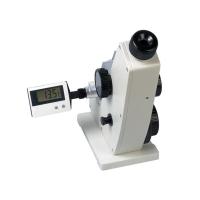
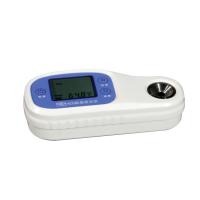
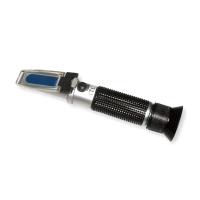
What is a refractometer?
A refractometer is an instrument used to measure the refractive index of gases, liquids, and translucent solids such as gemstones. Liquid things like blood protein, test for salinity, fluid concentration, and specific gravity of urine. The refractive index is a measure of how much the speed of light is reduced in a solution, gas, or solid. Shadow lines appear inside the refractometer, created by prisms and lenses. The user will observe the shadow line through the eyepiece.
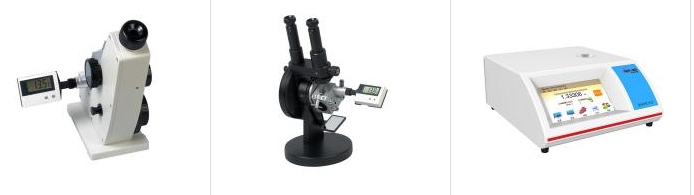
Erst Abbe is credited with creating the first refractometer in the 1800s. These original refractometers were built exclusively for Carl Zeiss in-house. They include built-in thermometers with circulating Water Baths used to maintain control of instrument and fluid temperatures. Later, they will be sold with microscopes in the catalog, but without sketches. The first sketches would appear in the 1893 catalog.
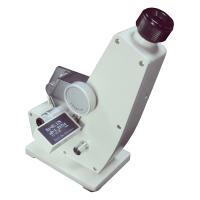
The development of refractometers has brought four basic types to the world. Analog or conventional refractometers, digital refractometers, laboratory or Abbe refractometers and in-line process refractometers. Analog and digital refractometers work similarly and are primarily handheld. Using the critical angle principle, the numbers differ by providing an LED light source focused on a prism element. Laboratory or Abbe refractometers are larger and not hand-held. They are mainly used in solids and have a digital display. Special filters provide highly accurate readings by using multiple wavelengths to find sample results. Inline process refractometers record the flow of a solution through a container such as a pipe or tank. They used sensors inside the container to measure the solution and compare it to a similar container with controls.
One of the common uses for handheld refractometers is winemaking. Measuring the sugar content in a fruit or grape helps determine ripeness. Sugar mills need refractometers to determine the amount of sugar in syrups, molasses, and juice concentrates. Veterinarians can use a refractometer to find the concentration of proteins in a blood sample. Serious marine aquarists will use one to determine the salinity of their tank.
No matter why you use refractometers, you'll find that they are very common and come in a wide range of prices. Be sure to read and follow the manufacturer's instructions for calibrating new instruments. Calibration is important to get accurate readings. When preparing for the test, make sure to use a fresh sample of sugar or blood to get a good reading on the concentration of these fluids.
- 1Take care of nutrition by controlling sugar in food
- 2Color measurement of tomatoes
- 3How to use a portable refractometer?
- 4How to properly calibrate a handheld refractometer?
- 5Refractometer User Guide
- 6Application of refractometer in honey moisture measurement
- 7 What is the application value of refractometer for grape planting?
- 8Experimental working principle and common refractive index of refractometer
- 9Solid substance refractive index
-
![INESA WYA (2WAJ) Abbe refractometer for determination of refractive index and average dispersion]()
-
![INESA WZS 90A Handheld sugar meter 0~90% (1 ranges)]()
-
![INESA WZB S1 handheld digital refractometer salinity/refractive index/whiteness]()
-
![INESA WYA-2S digital Abbe refractometer]() INESA WYA-2S digital Abbe refractometer$ 1700.00
INESA WYA-2S digital Abbe refractometer$ 1700.00 -
![INESA WZS S1 Handheld Salinometer salinity Tester]()
-
![INESA WZS 80 Handheld sugar meter 0~80% (1 ranges)]()