How does spectrophotometry ensure the color and clarity of color filters?
Color lens filters are a tool photographers and videographers need. These accessories improve their image quality and help them achieve the aesthetics they seek to create, expanding their technical and creative horizons. However, this can only happen if the lenses are of a consistent color and the product is free of contaminants such as dust or other types of defects in the glass. If the shot is too blurry or the colors are too light or dark, it can compromise the quality of the final image. To prevent this, tinted lens manufacturers need to rigorously test their products for color consistency and clarity throughout the production process. When performing color quality control testing throughout the manufacturing process, you will ensure product integrity, improve production processes,

The Importance of Color Consistency and Clarity in Lens Filters
Different lens filters have very specific uses in photography and videography, so people seek to create unique effects that cannot be achieved with traditional lenses. However, if the color of the filter has even some subtle shades, it can seriously affect the appearance of the image. This is why color consistency is so important to lens filter manufacturers that it cannot be overemphasized.
For example, UV filters for cameras are usually clear, but a filter that contains a heavy UV filter coating will start to appear amber. 1 Actually, if you want your product to filter out as much UV light as possible, the filter should appear quite dark. However, if your filter appears to be almost colorless, you have not applied the filter properly and the UV protection level may be reduced. This can seriously affect the functionality of the filter and produce unwanted and unattractive color shifts. For example, on a sunny day, when the camera is exposed to a lot of UV light, blue haze can appear in the final image if the UV light is not properly filtered. Also, skylight filters are often pink because they counteract the blue bias that film usually has. However, this requires a delicate balance. If your filters are too pink, they will remove any blue tones in the image, conversely, if your filters are not pink enough, they won't be able to effectively counteract the blue tones in your movie. That's why it's important to get colors right on lens filters.
Unfortunately, getting the lens tint right can be difficult because you need to paint the same color from batch to batch of dye, and you also need to apply the lacquer in a consistent layer to create a colored film. If you fail to stain the paint properly or apply the paint in uneven layers, it can cause the color of the lens filter to appear inconsistent. Additionally, smog and contaminants in the glass can affect the appearance and function of the product. For example, if you use thick glass, you are more likely to have air bubbles or other imperfections in the product that will show up on the film. If a colored polarizing filter (made of plastic) placed between two layers of glass is used, contaminants can get caught between the glass and the colored film, causing permanent defects. Other factors, such as poor preparation, or even oils from your hands can make lens filters appear blurry. Regardless of the source, this cloudiness affects the final image. Unwanted particles in the lens can scatter light when it hits the front elements of the lens, which can cause stray lighting effects or blurry images. 2
To ensure your lenses are manufactured correctly, you should test the material for color and clarity throughout the manufacturing process. Using a Spectrophotometer , you can ensure that the color of the lenses is consistent from batch to batch and that there are no potential contaminants in the glass.
Measure color and clarity to ensure quality
The reason Spectrophotometer s are needed in the production of colored lens filters is that these instruments are able to detect subtle differences in color and clarity with greater accuracy than the naked eye alone can. For example, when you look at the lacquer that will be used to make a UV filter, it may appear completely colorless. However, a Spectrophotometer will detect if the filter does have a tint of amber. If the amber color does not meet the specifications for that particular product, the instrument will alert you to a detrimental color change. Likewise, haze can be quantified using a Spectrophotometer , allowing you to identify materials with compromised clarity.
To ensure the color consistency and clarity of the lenses, it is best to analyze the material at multiple stages during the production process. The varnish-coated samples used to create the color filters are first measured spectrophotometrically. 3 Most manufacturers mix solvent and dye together and then test the color and haze of the liquid. Too thin a lacquer will create a filter that is too transparent, while too thick a lacquer will become opaque and will not bond properly to a glass or plastic filter. To perform these tests, a small sample is simply placed inside the port of the Spectrophotometer . If a sample is outside your tolerances, the recipe or production process can be re-evaluated and troubleshooted until a sample of the correct color and clarity is obtained.
Once this is done, the paint is applied in thin flakes and allowed to harden, at which point the flakes can be analyzed for color accuracy and haze. Any air bubbles, contamination, or uneven layering can make the final product appear inconsistent and messy. From here, you can also evaluate the glass or plastic to which the color filter will adhere in the final stages of the manufacturing process to determine if it is clear, colorless and free of contaminants. These steps ensure that each lens filter is manufactured to the highest standards and will perform as intended. They also give you greater insight into your manufacturing process, enabling you to identify process errors and formulation errors and take corrective action quickly.
Historically, performing these tests required separate color and haze measurements. However, today there is a better option. HunterLab's revolutionary new Vista Spectrophotometer measures both transmitted color and haze, meaning you don't need to make separate measurements to evaluate materials. This saves a lot of time and manpower, while better reducing the risk of user error. Additionally, the Vista is capable of measuring a wide variety of sample types from liquids to opaque films. This makes it an excellent choice for colored lens filters as you can measure all sample types from liquid paint to thin paint flakes. With a touchscreen display, customizable workspace, small footprint, and multiple data viewing options, Vista is not only powerful, but also user-friendly and easily integrated into your existing workflow.
Consistent, clear lens filters for higher quality results
When the manufacturing process is optimized using a Spectrophotometer such as Vista, it is possible to create lens filters that function more reliably. Photographers and videographers need a filter that has predictable performance during the shoot, and any slight contamination, blur, or color inconsistency in the lens can produce an image that doesn't match what your client imagined. By taking the guesswork out of manufacturing and testing that all filters look the same, you can not only produce higher quality products for your customers, but also fine-tune your production practices for greater accuracy and efficiency.


- 1Application of Flame Atomic Absorption Spectrophotometry in Detection of Food Talc Powder
- 2Talking about the performance test of epoxy resin film coated on PET
- 3Spectrophotometer principle, structure and application do you know geometry?
- 4Principle, characteristics and application of ultraviolet Spectrophotometer
- 5Spectrophotometer Color Measurement Fundamentals
- 6Differences between visible, ultraviolet-visible, infrared, fluorescent and atomic absorption Spectrophotometer s
- 7Detection of nicotine content by Spectrophotometer
- 8How to detect the color difference of fluorescent color-changing materials?
- 9Liquid color difference detection solution
-
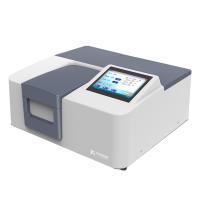
![YueFeng 752N Ultraviolet-visible spectrophoto-meter]()
-
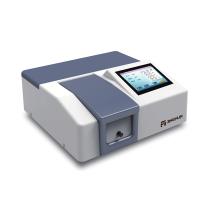
![YueFeng 721 Single beam of light Visible Spectrophotometer Test Transmittance/Absorbance]()
-
![JINGHUA H300 Dual beam of light Spectrophotometer Wavelength range 190nm-1100nm]()
-
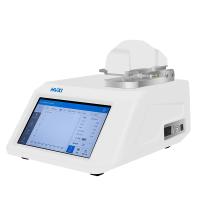
![HUXI Nano-900 UV-Visible, ultra-micro Spectrophotometer Light spectrum instrument]()
-
![JINGHUA JH752 Benchtop UV-Visible Spectrophotometer Bandwidth 4nm]()
-
![YUEFENG FP6428 Flame photometer Na/Ca]() YUEFENG FP6428 Flame photometer Na/Ca$ 1439.00
YUEFENG FP6428 Flame photometer Na/Ca$ 1439.00