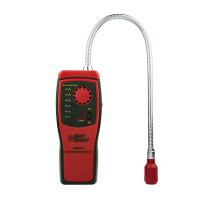
Application of Baoshi An Gas Detector in Sewage Treatment
Background of the project
Historically, wastewater has been viewed as a nuisance that needs to be disposed of in the cheapest, environmentally friendly way possible. This means that on-site disposal systems can be used, such as waste water from latrines, directly discharged to rivers and lakes. Over the past century, it has been recognized that these methods can have detrimental effects on the environment. This has led to the development of a variety of treatment technologies, such as today's municipal wastewater treatment systems. If we look forward, for economic benefit, for sustainable development, we need to see wastewater as a raw material. Clean water is becoming less and less, so wastewater should be treated and reused. Abundant nutrients in wastewater, such as nitrogen and phosphorus, are recovered and used to grow crops during certain treatments. To achieve a sustainable future, we need to use this method more and more, working towards improving energy utilization in wastewater.
dangerous gas
Sewage treatment facilities produce many toxic and harmful gases, such as methane (combustible gas), hydrogen sulfide, carbon monoxide, and carbon dioxide. These gases come from various sources such as sewage ponds, pumping stations, aeration ponds, sludge digesters, deodorization plants and treatment plants. Such as aeration and sludge digestion are usually high-risk areas for biogas generation. These biogases generated from sludge contain harmful substances such as methane, hydrogen sulfide and carbon dioxide. In addition to being extremely explosive, methane can lead to lower oxygen concentrations, which increases the risk of asphyxiation. On the other hand, hydrogen sulfide has a special smell at a low concentration (0.0047ppm), which is easy to identify; but when the concentration exceeds 150ppm, people's olfactory nerves will be damaged and they will not be able to smell it, thus covering up Its real existence, even if the hydrogen sulfide reaches the lethal concentration of 800pm, workers can not smell its smell, resulting in fatal danger. Because biogas is extremely flammable, and the gas produced during sludge digestion can be used to generate electricity, it would be dangerous if it leaked out of the digester, possibly causing an explosion.
Program overview
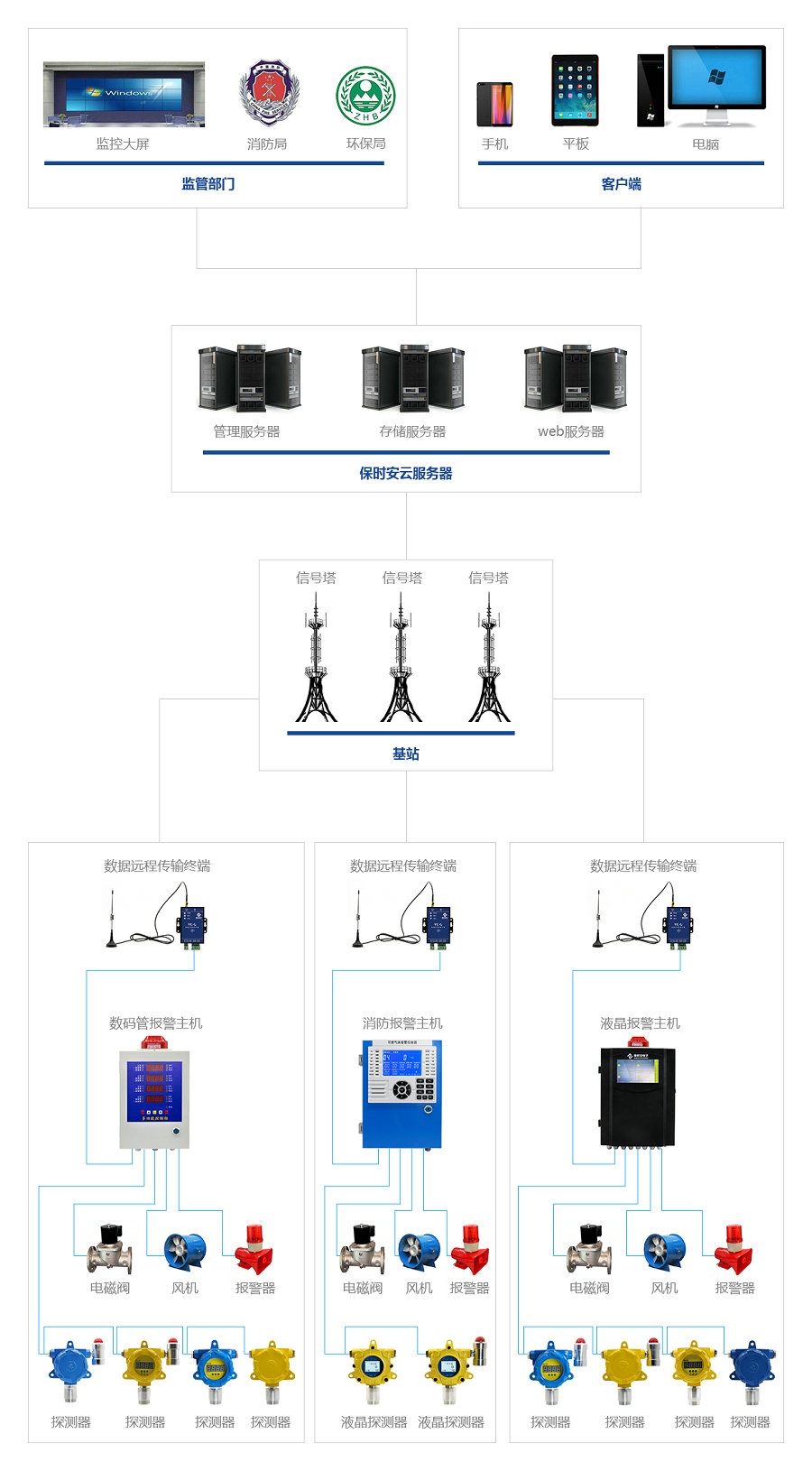
用来检测可燃性气体的固定气体检测器需要安装在诸如排污口及湿井的地方,因为含有可燃性气体的液体从这这些地方被排入下水道,可燃气体漂浮在表面,然后聚集在湿井里,最后达到可燃浓度,从而构成大大的危险。用来检测甲烷、二氧化碳、氧气和硫化氢的固定探测器也需要装在所有的污泥分解和处理的地方。此外,除臭车间也需要安装用来检测高、低浓度的硫化氢的固定探测器。操作人员需要带上便携式气体检测仪才能进入封闭空间,如污水池、泵站、污泥消化池以及污水处理车间等。这些情况下一般使用复合气体检测仪。
1.人工检测方案
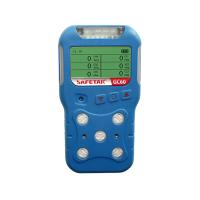
工作区域作业,便携式气体检测仪是人身防护安全的所需仪表。可以实时检测工作环境内,气体的浓度变化情况,设置二级报警值,保证作业人员能够快速反应。
1.现场气体监控方案
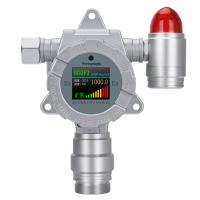
探测器能够对工业环境下可测量的气体进行连续监测,并将气体浓度转变为数字信号,传输给气体报警控制器,由控制器对其进行识别、显示和处理。当现场的某种待检气体的指标超出或低于所设置的标准时,控制器系统会自动进行一系列报警动作,如报警、排风、跳闸等(According to用户的不同设置而不同)。
2.数据传输方案
YC-G型数据远程传输终端是我公司在总结多年数据采集设备的设计和生产经验的基础上,经过精心研制开发,向用户提供的一种高灵活、高可靠性的新型采集传感器数据终端设备。
该设备可广泛用于支持modbus协议固定式气体检测器和气体控制柜等。对现场气体浓度进行实时地监控,对各种数据进行实时地采集和传输。通过485通讯线与检测设备连接可以实时读取浓度数值、小数点位数、单位、设备状态等信息,并按照设定的时间间隔上传到公司的数据监控服务器中心。
3.终端系统方案
保时安工业气体在线监测平台是以物联网、云技术、大数据、移动互联网等新技术为手段,实现气体实时数据上报、远程控制、设备管理等于一体,从而实现对监测区域内危险气体泄漏事件的监测并提示报警,可有效预防企业危险事故的发生,实现生产过程气体泄漏与管理,保障企业安全生产。
Managers can check the real-time values of monitoring area parameters at any time through computers, mobile phones, tablets, etc. When the relevant parameters exceed the limit, an alarm message will be issued to remind the manager to take corresponding measures, and control instructions can be sent to the relevant equipment through the computer or smart phone to realize the remote control of the gas parameters in the monitoring area.
System Features
1. Comprehensive remote monitoring of flammable and explosive gas content changes;
2. Predict the trend of change;
3. Realize safe production and achieve sustainable business growth.




- 1Principle and Application Analysis of Composite Four-in-One Gas Detector
- 2Introduction to Working Principle and Application of Carbon Monoxide Gas Detector
- 3Basic Principle and Application of Portable Gas Detector
- 4Basic Principle and Application Analysis of Gas Detector
- 5What is the alarm value of Gas Detector?
- 6What is phosphating Gas Detector?
- 7What is a combustion analyzer?
- 8Application Scheme of Gas Detector in Coking Coal Metallurgy Industry
保时安 - 《保时安》
- 9Application of Gas Detector in Medical Manufacturing
保时安 - 《保时安》