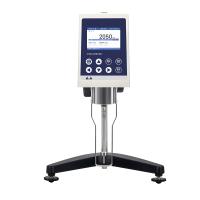
Main application fields of Rotational Viscometer
Viscosity is one of the standard physical properties used to identify many industrial products. Various types of viscometers can be used, with a Rotational Viscometer being an effective instrument.
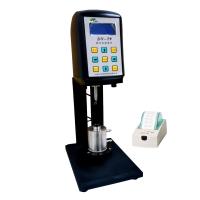
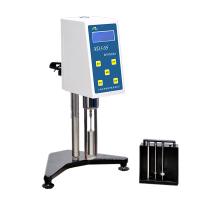
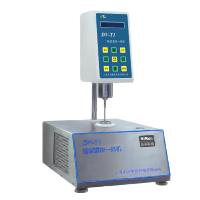
Rotational Viscometer
Rotational viscometers provide absolute (dynamic) viscosity values. The basic premise is that attributing rotational speed to the sample, when using a defined geometry, induces a specific shear rate. The reaction of the product is based on its viscosity under specific temperature and shear conditions, the resulting torque is measured by a viscometer and used to calculate the dynamic viscosity value in centipoise or milliPascal seconds under these conditions.
Factors Affecting Viscosity
The viscosity of formulated products may vary with several factors including time, shear rate and temperature. To ensure the usefulness of the obtained values, the measuring instrument needs to take all these factors into account.
To determine the effect of temperature, the temperature of the sample needs to be measured and adjusted if necessary by means of a Rotational Viscometer.
Regarding shear, the non-Newtonian behavior of most formulated products (decrease in viscosity, increase in shear rate velocity) can be incorporated into a simple control method by using the geometry defined by this rate.
Since shear time also reduces viscosity, viscosity measurements need to be limited to a fixed time frame.
Main fields of application of Rotational Viscometers
Taking into account all important aspects of viscosity, Rotational Viscometers provide a satisfactory means of ensuring repeatable and well-defined measurements.
Rotational viscometers are used in many different industries for a variety of applications, including:
Pharmaceutical products, including suspensions, ointments, gelatins and syrups
Construction industry materials such as cement, sealants, coatings and mortars
Oil and gas industry materials such as fuel oil, drilling fluids, bitumen and asphalt
Chemicals for paper coatings, paints, inks, ceramics, detergents, adhesives and resins
Cosmetic and personal care products in the form of shampoos, mascaras, nail polishes, gels, lotions, shampoos, creams, etc.
Foods containing seaweed, starches, soups, sauces, beverages, mayonnaise, ketchup, jams, dairy products, and chocolate.
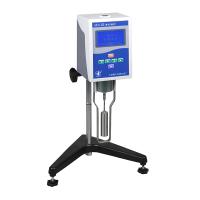


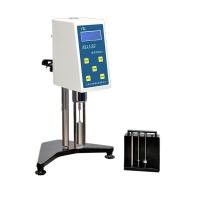


- 1Rotational viscometer - principle, classification, application and calibrating
- 2Application of NDJ-8S digital Rotational Viscometer in viscosity measurement of cosmetic raw materials
- 3NDJ-5S digital Rotational Viscometer accurate measurement of natural oil viscosity
- 4Application of HBDV-1H swirl/spin High Temperature Viscometer in Viscosity Determination of Plastic Particles
- 5Rotational viscometer selection guide: How to choose the right viscosity equipment for you?
- 6Principle, type and accuracy control of Rotational Viscometer
- 7Which Viscometer to Choose for Licorice Extract Viscosity Testing? How to Test?
- 8Application of Rotational viscometer in Waterborne Polyurethane Adhesive
- 9Application of Rotational Viscometer in cellulose material