Adhesion and test methods for topcoat systems
To meet the ever-increasing expectations of today's discerning customers, highly sophisticated finishes with multi-step furniture-style finishing systems are becoming more common rather than the exception in all sectors of the wood finishing industry. These refinishing trends call for the use of glazes, stains, toners and other high-performance coatings. With these finishing systems, finishers need to be more vigilant in testing to ensure that the adhesion properties of the system used can successfully meet product performance expectations.
Adhesion is a very broad topic, and coating adhesion is of great concern in the formulator's laboratory. However, from an applicator's perspective, adhesion is often overlooked or misunderstood. From a finisher's perspective, I intend to provide practical knowledge of coating adhesion and methods for testing the integrity of coating adhesion.
Adhesion is the ability of a coating to adhere to a substrate, known as "substrate adhesion", and the ability of a coating to adhere to multiple coatings in a system, known as "intercoat adhesion". force".
mechanical and chemical adhesion
Two factors affect the ability of a coating to adhere to a surface: mechanical adhesion and chemical adhesion.
Mechanical adhesion occurs by adhering the coating to the abrasive scratch profile of the surface and by flowing around the substrate fibers to mechanically secure the film to the surface. A darker and larger sanding profile will increase the adhesion of the coating, while a shallower profile and smoother surface will hinder the ability of the coating to adhere adequately.
Chemical adhesion refers to the ability of a paint to adhere to the paint formulation chemicals. Various components of paint chemistry affect adhesion. The coating needs to have sufficient wettability to penetrate into the pores of the surface and wet around the fibers of the substrate. Solvent blends for paint systems allow the paint to burn into layers of paint within the system. The resin properties of the coating will change and affect adhesion.
Typically, Graduation up coating technology from coatings to conversion varnishes to two-part urethanes to polyesters will result in greatly improved adhesion properties.
However, it cannot be assumed that all products in each category perform equally. Each product will exhibit its own specific adhesive properties. The finisher is ultimately responsible for verifying that the selected coating system meets the necessary adhesion requirements for each specific finishing project. Chemical adhesion of the same paint system to various woods and substrates varies. The resins and pitch in the wood, as well as the oils in the wood, will significantly affect the chemical bonding ability of the paint. Finishers need to make the right decision about the paint system to use, taking into account all the different factors that affect adhesion performance.
Three Test Methods to Evaluate Adhesion
There are three different procedures that evaluate the resistance of a coating to separation from the substrate and provide different film adhesion analyses: the cross-hatch method, the scratch adhesion test and the peel test.
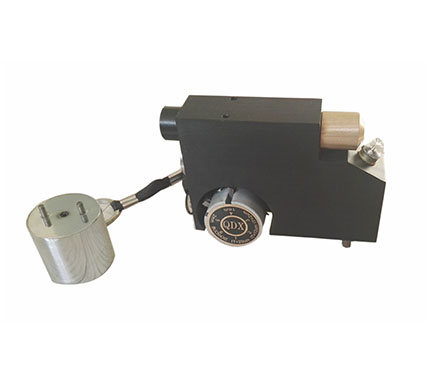
刮擦测试方法使用带有平衡测力的平衡木杆,该平衡木杆带有圆形的测针或环。将带有干燥涂饰膜的面板推到触控笔下方,并在梁上施加越来越重的重量,直到将涂饰剂从基材上刮下来。评估人员使用去除薄膜所需的重量(以千克为单位)为涂层的粘合性能分配一个值。此过程遵循美国标准测试方法(ASTM)-D2197,D2248,D2454、5178,具体取决于要测试的涂层和基材。
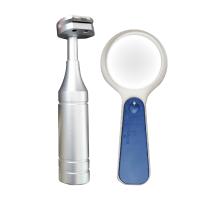
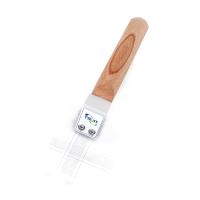
木材工业中第二种也是常用的测试方法是划格法。使用便宜的交叉影线切割机测试套件,可以快速,轻松地执行此测试。使用交叉影线切割器将晶格图案切入饰膜中,直至基底。然后在每个方向上对角线方向刷涂测试区域五次,以去除任何松散的薄膜涂饰颗粒。
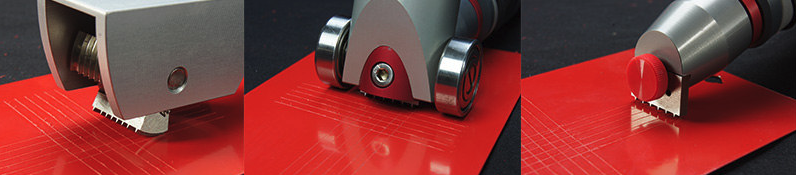
然后将一种用于测试粘合力的特殊胶带牢固地粘贴在划格线测试区域上,并通过将胶带从测试区域拉回以显示被测试胶带提起的涂料量而快速将其除去。然后将带有阴影线的测试区域与(ASTM)标准D3002和D3359进行视觉比较。
在标准中,有五张图表,其中有不同程度的胶卷脱落的视觉图表。ASTM 5B级没有说明代表最高附着力的薄膜脱落。ASTM 1B级表明,去除的薄膜中35%至65%代表了最差的附着力。2B-4B级代表介于1B级和5B级之间的不同程度的粘附力。通过这种视觉比较的性质,结果有时是主观的,对于与该测试相关的数值并不确定。
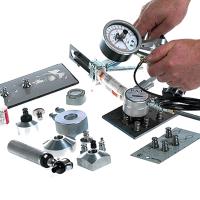
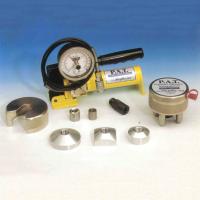
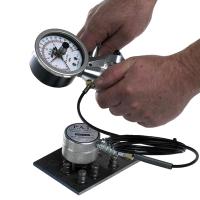
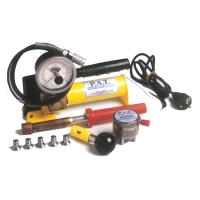
第三种方法利用液压剥离测试仪来测量在垂直于基底的方向上分离涂层所需的拉伸应力,单位为磅/平方英寸(psi)。为了执行此测试,我们使用符合ASTM D4541的DeFelsko Positest附着力测试仪进行了此测试。垂直于干涂膜表面的金属载运台车通过CA(氰基丙烯酸酯或“超级胶水”)粘合剂或制造商提供的粘合剂固定。

胶粘剂固化后,通过施加液压并将小车连接到液压拉拔设备,然后逐渐增加直到小车将涂层从基材上拉下。测试仪上的压力表显示了将涂层从基材上剥离所需的压力(psi)。
The result is a definitive number that can be assigned to the adhesion properties of the coating. Due to the varying density of the wood substrate, different readings may be obtained in different areas of the test panel. The range of high-low draft pressures that can meet the requirements should be assigned to the adhesion value of the coating.
Based on our research, no standard of expected peel pressure for each paint category was found for a variety of substrates and needs to be determined by the finish for the particular paint system being evaluated.
How much cure time should elapse before testing for adhesion? It is recommended to inspect the coating after initial cure and after long-term cure. The paint manufacturer's recommendations should be followed regarding when to perform an adhesion test. Factors such as when to test, such as the number of mils applied, the drying method for ambient air drying or force cure, and the type of coating need to be considered.

- 1What causes adhesion test failure?
- 24 test types for measurement of coating strength
- 3Standard Test Method for Adhesion
- 4Coating structure and adhesion principle
- 5Graphite and carbon laboratory testing instrument solution
- 6Rules for Testing Methods of Several Routine Properties of Industrial Product Coating Film Quality
- 7How to choose the right powder coating synthetic resin?
- 8Principle and Test Technique of Adhesion Test by Pull-out Method
- 9Three test methods for coating film application performance
-
![QFH cross-cut Tester QFH-A600 JFL Adhesion Tester organic coating adhesion]()
-
![TRUIT TR 5001/1 adhesion Cross Hatch Cutter 1mm/6 teeth]()
-
![TRUIT TR 5001/2 Cross-cut adhesion instrument 1mm/11 teeth]()
-
![JFL QDX film multi-purpose Detector film thickness, Hardness, adhesion and other performance detection]()
-
![RUNJIE RJ-M Adhesion Tester 14mm]() RUNJIE RJ-M Adhesion Tester 14mm$ 1227.00
RUNJIE RJ-M Adhesion Tester 14mm$ 1227.00 -
![TIANDIXINGHUO TC-M50 Touch screen manual puller kit diameter 50mm]()