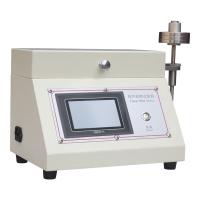
Selection and importance of wear-resistant testing machine
What is Abrasion Testing Machine?
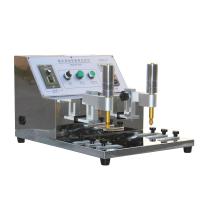
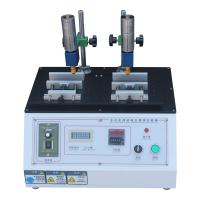
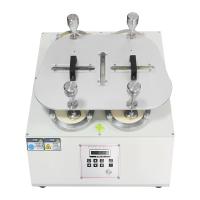
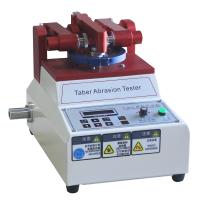
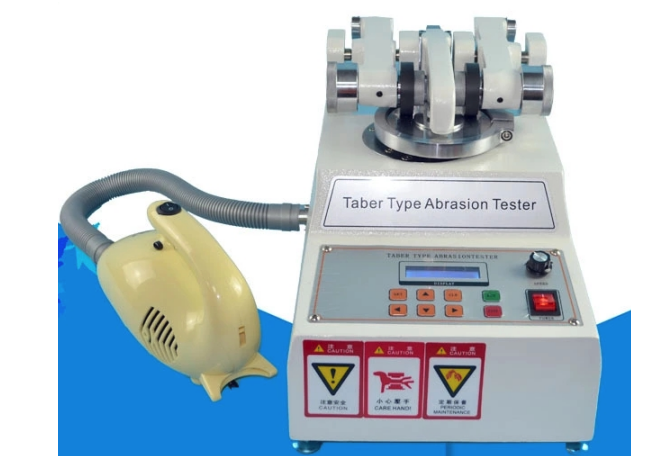
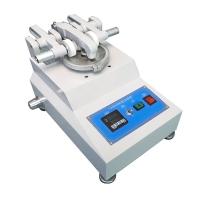
Wear testing is commonly performed to predict the wear behavior of materials and to investigate the wear mechanisms that occur. While many companies would like to replicate the wear conditions seen in expected applications, the complexity of wear makes accurate simulations often neither feasible nor feasible. Precision instrumentation for wear testing allows the operator to control key inputs such as speed; test load stroke length and other factors. This is an integral part of reducing bias and ensuring repeatable and reproducible results. Taber's linear abrasive machine is an example of an abrasion Tester that has the versatility to simulate many different wear systems.
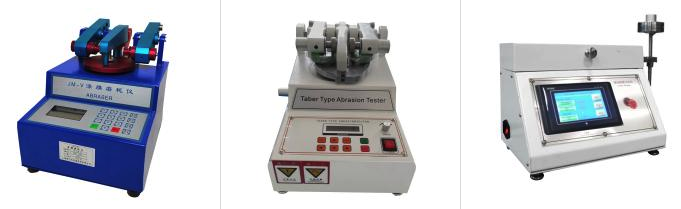
Why is it necessary to specify the instrument?
Many industries have developed standardized testing procedures that specify the key features of the abrasion Tester that should be used. To ensure a higher level of confidence in test results, technicians need to use an instrument (and test method) that allows them to generate reliable data. Therefore, emphasis needs to be placed on using a wear Tester with a robust design. Parameters such as load, speed, stiffness of the equipment structure, alignment and abrasive supply need to be properly controlled to ensure stable wear conditions.
What does the system used to test wear consist of?
A wear system consists of specimen and counter material, usually some type of abrasive. Although abrasive particles may not be the primary cause of actual wear, Taber offers a variety of standardized abrasives that can be used for accelerated testing. This helps reduce the overall time required to generate useful data.
What are the different tests?
Utilizing interchangeable test accessories, Taber's linear abrasion Testers offer great flexibility for performing wear and abrasion testing. The standard instrument uses Taber's ¼" diameter Wearaser® abrasive for surface wear testing. However, the possibilities are endless as to how the instrument can be used. The following examples describe some of the many optional accessories available.
A rub table kit that allows the operator to perform a "double rub" test using a rubbing cloth attached to an acrylic rubbing finger (or rectangular rubbing block). This method is commonly used to evaluate the color transfer of textiles and has also been used for friction and wear testing of less durable materials. Modifications include using felt pads or sandpaper to mimic the effect of random scratches. Taber also offers special friction adapters specified by different automotive companies to perform similar friction tests.
Accessories are available to simulate "real world" wear testing with a variety of reverse abrasive materials. For example, universal accessories can be used to replicate the abrasions caused by shipping cartons during shipping. Similarly, the impact of abrasive damage caused by scouring pads can be assessed using the Scotchbrite® Abrasive Pad Kit. Taber also offers accessories for use with steel wool, sandpaper, and other standard textiles.
For testing textile protection hoses, artificial leather and other upholstery materials, the Test Wedge Kit has been used. The attachment consists of a radius (R5), two radii 90 degrees apart, on both surfaces a small piece of sandpaper is fixed and then rubbed against the surface of the sample.
To evaluate the resistance of cables and wires to scratch abrasion, the "Wire/Cable Scratch" accessory is moved back and forth along the longitudinal axis of the wire sample. The test will automatically stop when the scraper accessory's grinding wire passes through the insulation and comes into contact with a conductor.
The Flexible Materials Abrasion Kit is used to evaluate the abrasion resistance of most engineering thermoplastic films commonly used to package food, sterile medical devices, and other products. The kit simulates damage that can be caused by shock, vibration and/or repetitive friction during distribution and handling.
Taber's Magnetic Strip Abrasion Kit consists of a cylindrical aluminum abrasive bit that sits vertically and moves back and forth over the magnetic stripe of a credit card (or similar). After the test the signal amplitude was compared to the value recorded before wear.
The test brush accessory has been used to evaluate the abrasion resistance of flat car carpets such as needle pile.
For evaluating the scratch and mar resistance of plastics, paints and coatings, the Multi-Mar Scratch Resistant Accessory can be mounted in a 45° or 90° orientation and accommodates four different styli. Alternatively, the Pencil Hardness Kit provides a quick, economical and reliable method to evaluate the film hardness of paints and coatings.
Taber also offers interchangeable tapered tungsten carbide and diamond scratch tools for single scratch testing.
Why are these tests important?
Some reasons to perform these tests include:
Determine if a product complies with industry standards
Reduced risk of product failure and associated product warranty costs
Predict the performance of a product relative to other similar products
enhance competitive advantage
Assess functionality and suitability
Carry out material research and development
Many industries require products to meet minimum acceptable standards. Testing provides the means to show that your product meets or exceeds these requirements.
Regular testing as part of quality and process control will help ensure your manufacturing process is in control, avoiding product defects and costly warranty claims. Performance differences can be identified when alternative products (or raw materials) are tested in parallel.


- 1Introduction to common wear resistance test methods
- 2Principle, Application and Selection of Adhesive Tape Wear testing machine
- 3Briefly introduce the working principle, application and selection precautions of rubber Wear testing machine
- 4Basic Principle and Application Analysis of Asphalt Wear testing machine
- 5Basic Principle and Application of Lubricating Oil Wear Resistance Tester
- 6Demonstration of RCA wear-resistant tape machine
Air - 《南北潮》
- 7The principle, application, operation and selection of wear-resistant testing and wear-resistant testing machines
- 8How to extend the service life of rubber?
- 9Briefly describe how different industries view product packaging