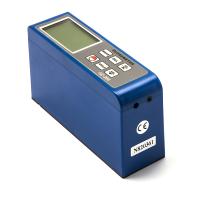
The importance of gloss meters in professional painting
When most people think of choosing paint, the first thing that comes to mind is choosing a color. Should the bedroom be beige or ivory? Is the trim green or burgundy? Once a color has been chosen, the next step is to determine how much you need (a quart, a gallon, etc.) and the right level of gloss. Flat, eggshell, satin... most people who have ever painted a room have had the exact same conversation with the paint counter attendant about the difference between sheens.
However, for the modern professional painter, gloss is much more complex and nuanced. In many cases, time and money were wasted due to failure to understand the gloss of the paint and communicate with the paint company. In fact, if the gloss meter was used during the process, the error might have been found.
Although paints have inherent gloss due to their composition, large commercial or industrial paint jobs require measurements to ensure that gloss is not only as desired, but is uniform throughout the paint job. Many variables including substrate, temperature and coat thickness can greatly affect dry paint gloss, sheen and clarity.

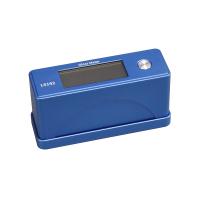
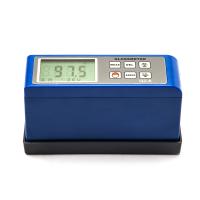
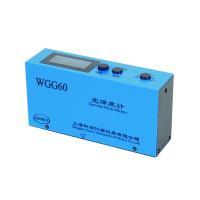
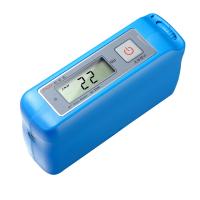
The technology behind a gloss meter is complex, but actually using the meter is not easy. To measure gloss for any item, light is reflected off the item's surface at a predetermined angle. The ratio between the directly reflected light and the diffuse light results in a measurement of "Gloss Units" or GU. A higher GU indicates a more reflective or "glossy" surface. Shows the light on the object at an angle (opposite the front) for more accurate measurements. Most gloss meters are small enough to be moved by one person and can be used both indoors and outdoors. Gloss meters perform light reflectance measurements in a closed system to ensure accurate measurements. Typical gloss measurements can be made on a small number of dry paint samples in a short period of time, resulting in a better and more standardized paint job no matter the situation.
It's important for paint professionals to understand that gloss is more than just looks. Higher gloss paints are more resistant to staining and are more resistant to moisture and the damage that comes with it. Unfortunately, higher gloss paints make it easier to see imperfections and deformations of the substrate. For example, lower-gloss paints are often used on larger surfaces such as walls, while higher-gloss paints are used on items such as baseboards, cars, and kitchen cabinets.
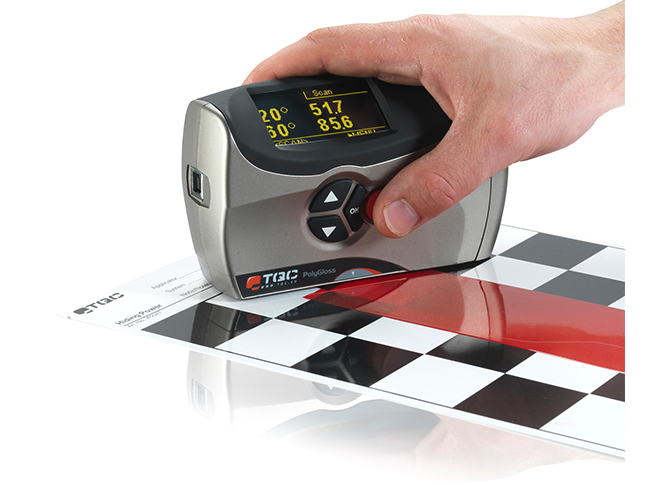
Indeed, commercial painters may feel they have a more critical decision to make than evaluating a paint's sheen. While things like color and paint thickness may seem more important, gloss can have a huge impact on the end result of a paint job, just like too much salt can ruin a dinner dish.





- 1Gloss inspection method of slurry inks
- 2Principle and Application of Glossiness Tester
- 3Working Principle and Application of Metal Gloss Meter
- 4Basic principle and application analysis of insulating paint gloss Detector
- 5Working principle and application analysis of film Glossmeter
- 6Principle and application analysis of microporous gloss meter
- 7 FZ/T 01097 Analysis of fabric gloss test method
- 8Evaluation and Application of Optical Properties of Powder coatings
- 9Coating coatings - Determination of surface gloss and Gloss meter