How Moisture Meters Can Help Solve Pest Problems
Water damage doesn't just cause major structural damage to your home. In addition to carpentry and framing rot, seams, door frames swelling and masonry disintegrating, damp can expose your home to a variety of harmful pests.
If you find yourself with a pest problem, especially one that keeps recurring no matter what you do to fix it, you may actually have a moisture problem on your hands. When moisture damages the structural integrity of your home, it becomes easier for pests to enter your personal space.
How Moisture Attracts Pests
Just like us, insects and rodents need water and shelter to survive. Especially when the temperature drops and they're looking for a warmer spot, infestations can find their way into the cracks and crevices of your home, making it a new hot spot. What makes your home such an alluring place for creepy reptiles of all kinds? An easy access point to plenty of water and humidity.
Any leaky or invisible puddle can provide mosquitoes with a desirable place to lay their eggs, but in addition, wood damage provides a desirable entry point for boring insects such as termites, carpenter ants, and powder beetles. The compound damages existing moisture but also allows these insects to lay their eggs in the wood, and the wetter the wood, the faster the larvae grow into more wood-hungry insects that can wreak havoc on homes.
Additionally, small rodents can slip into the tiniest of crevices created by rot and water damage and start new nests inside your property. This can make the moisture problem worse as rats have been known to chew through clear water through plastic pipes and cause flooding and additional moisture damage.
How to Prevent Unwanted Visitors
What's a good way to protect your home from these pests? Fix leaks and cracks where moisture starts to seep in and seep into your home, bringing insects and rodents with it. But finding the source of moisture problems can be challenging.
An effective way to locate areas of moisture is to use a general purpose Moisture Meter, which will take moisture readings regardless of the material used. With the ability to get accurate readings on materials like wood, drywall, composites, and more, you won't have to worry about getting your readings right. Once the water source is located, it is much easier to make the necessary repairs that will be ongoing, keeping pests out of their area.
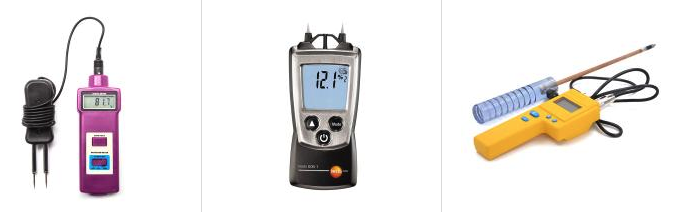
Where should you start looking for moisture in your home? When checking for water damage, use a hygrometer to check the following locations to keep pests out:
Framing and timber leaks in and around pipes and fittings
Caulking and framing around bathtub
Window and door frames
cracks and corners, especially in basements
around sinks and cabinets
interior and exterior walls
around your family
Stucco walls, especially in homes built between the 1970s and 1990s, which often have mold, rot, and water problems

- 1What are the different modes in a Moisture Meter?
- 2Negative effects of moisture on leather products
- 3How to choose the right moisture analyzer electrode?
- 4Analysis of moisture measurement in concrete
- 5How do I locate a leak with a Delmhorst needle-free Moisture Meter?
- 6How to repair a broken Delmhorst Moisture Meter?
- 7Moisture meter type and application