How to choose the right specification for a dyne pen?
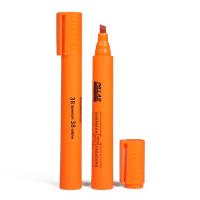
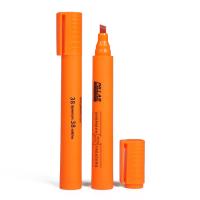
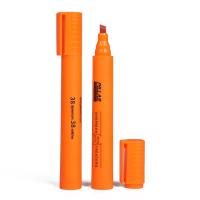
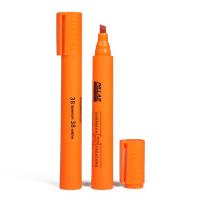
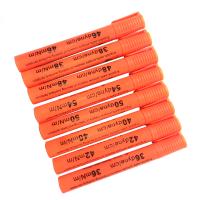
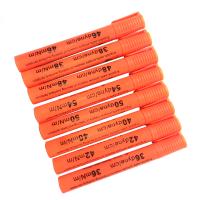
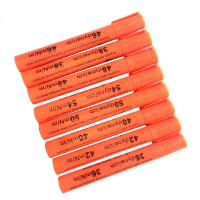
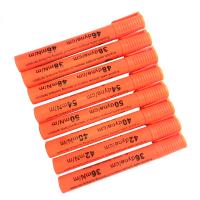
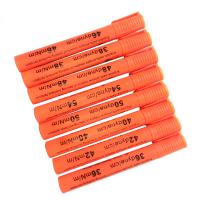
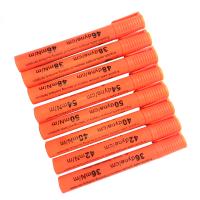
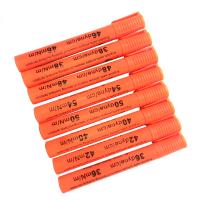
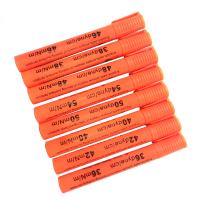
Dyne pen (also known as surface tension test pen, corona pen , plastic film test pen, corona value test pen, dyne test pen, etc.) can accurately test the dyne value or surface wetting tension of the film surface.
There are many places in printing that need to test the surface dyne value of the film, or the corona value, to determine whether the printed film meets the standard. It seems a simple test pen , but many printing manufacturers don't know how to determine which Dyne pen is good.
The following is a detailed introduction to the testing principle of the dyne pen, and a table of surface tension reference values required for the surface of common materials, and how to choose a dyne pen.
Test Principle
In industrial practice, the determination of the surface energy (surface tension) of plastics is by testing inks in accordance with DIN ISO 8296, using inks with known different surface energies to brush an ink strip about 100mm long on the film to be tested, and observe Whether more than 90% of the ink strip edge shrinks and forms ink droplets within 2 seconds, if so, replace the ink with a lower surface energy and brush the ink strip again, and perform the same observation until there is no shrinkage and ink droplets appear , the surface energy of the test ink corresponds to the surface energy of the film. This method can accurately measure the surface tension and surface wetness of the substrate and determine whether the surface factors of the substrate meet the requirements before work, so as to adjust the ink, coating, and viscosity to the work requirements.
There are twenty-one test inks with surface energy levels ranging from 30 to 72 mN/m (each differing by 2 mN/m). Dyne test pen (38mN/m) can be used as a quick test tool for surface energy after corona treatment, but it is not suitable for system testing of printed or coated surfaces. When the test pen draws a line on the corona-treated surface, if it is a continuous line, it means that the surface energy of the material is not less than 38mN/m, if it is not continuous, it means that the surface energy of the material is less than 38mN/m m, insufficient treatment or even no treatment, does not meet the printing processing requirements.
Surface tension and surface wetness are very clear standards for accurately determining the bonding status of printing inks and other materials on the surface, but there are other factors that affect viscosity, such as static electricity and many additives. However, these factors are not often displayed during the test, and even the test results are good but the actual requirements are not met. This requires discussing these technical issues with raw material suppliers. Generally speaking, the above situation will not happen to them, and the viscosity requirement can be met when the surface value is 38-41mN/m. When the surface tension is below 37mN/m, it will cause many white pages (no printing content), and when the surface tension is below 35mN/m, the viscosity is not good.
Surface tension reference values required for surface treatment of materials
| printing art | Other craft | |||||||||||||||||
| Process : | Flexo and | Lithography | Offset and | silk screen | complex | coating | ||||||||||||
| gravure printing | Letterpress | and cement | ||||||||||||||||
| material type : | water | dissolve | u | water | dissolve | u | water | dissolve | u | water | dissolve | u | water | dissolve | u | water | dissolve | u |
| sex | agent | V | sex | agent | V | sex | agent | V | sex | agent | V | sex | agent | V | sex | agent | V | |
| ink | ink | ink | ink | ink | ink | ink | ink | ink | ink | ink | ink | ink | ink | ink | ink | ink | ink | |
| PE | 38 | 36 | 38 | 40 | 37 | 40 | 40 | 37 | 42 | 42 | 38 | 44 | 42 | 38 | 42 | 42 | 38 | 44 |
| 44 | 40 | 50 | 46 | 42 | 50 | 46 | 42 | 54 | 48 | 44 | 60 | 50 | 44 | 54 | 48 | 45 | 54 | |
| PP | 38 | 36 | 40 | 40 | 38 | 40 | 40 | 37 | 40 | 42 | 38 | 44 | 42 | 38 | 42 | 42 | 38 | 44 |
| 44 | 40 | 50 | 46 | 42 | 50 | 46 | 42 | 54 | 48 | 44 | 60 | 50 | 44 | 54 | 48 | 45 | 54 | |
| PVC (*1) | 38 | 36 | 36 | 40 | 37 | 36 | 40 | 38 | 40 | 42 | 38 | 42 | 42 | 38 | 42 | 40 | 38 | 42 |
| 44 | 40 | 50 | 45 | 42 | 52 | 45 | 42 | 52 | 48 | 44 | 60 | 50 | 44 | 54 | 48 | 45 | 54 | |
| PET (*2) | 44 | 40 | 42 | 46 | 42 | 44 | 46 | 42 | 46 | 48 | 42 | 44 | 46 | 42 | 44 | 42 | 42 | 46 |
| 52 | 46 | 54 | 56 | 46 | 56 | 56 | 46 | 60 | 60 | 48 | 62 | 60 | 48 | 62 | 52 | 48 | 60 | |
| P.S. | 38 | 35 | 42 | 40 | 37 | 42 | 40 | 38 | 42 | 42 | 38 | 42 | 42 | 37 | 42 | 42 | 38 | 44 |
| 44 | 40 | 48 | 45 | 42 | 50 | 46 | 44 | 58 | 48 | 44 | 56 | 52 | 44 | 54 | 50 | 46 | 54 | |
| PVDC | 40 | 38 | 42 | 42 | 40 | 42 | 42 | 38 | 42 | 42 | 40 | 42 | 42 | 38 | 44 | 42 | 40 | 44 |
| 46 | 42 | 52 | 46 | 42 | 52 | 48 | 44 | 54 | 50 | 45 | 58 | 50 | 44 | 52 | 48 | 46 | 54 | |
| PU | 40 | 38 | 38 | 40 | 38 | 38 | 40 | 38 | 42 | 42 | 38 | 42 | 42 | 38 | 42 | 42 | 38 | 44 |
| 46 | 42 | 50 | 46 | 42 | 52 | 45 | 44 | 56 | 50 | 44 | 58 | 50 | 44 | 56 | 48 | 46 | 54 | |
| ABS | 42 | 40 | 40 | 42 | 40 | 42 | 42 | 38 | 45 | 42 | 40 | 46 | 42 | 40 | 42 | 42 | 38 | 44 |
| 46 | 44 | 52 | 46 | 45 | 52 | 48 | 46 | 52 | 48 | 45 | 56 | 52 | 45 | 56 | 48 | 46 | 54 | |
| PTFE | 40 | 34 | 36 | 40 | 35 | 38 | 40 | 38 | 42 | 42 | 38 | 42 | 42 | 38 | 42 | 42 | 40 | 42 |
| 44 | 39 | 52 | 45 | 40 | 52 | 48 | 44 | 60 | 52 | 46 | 60 | 56 | 46 | 56 | 50 | 48 | 54 | |
| Silicone | 40 | 35 | 40 | 40 | 38 | 38 | 40 | 38 | 40 | 42 | 38 | 42 | 42 | 38 | 42 | 42 | 40 | 42 |
| 44 | 40 | 50 | 45 | 42 | 52 | 48 | 44 | 56 | 50 | 46 | 60 | 56 | 46 | 56 | 50 | 48 | 54 | |
Use and selection method
Make the corona pen perpendicular to the plane of the film, apply appropriate pressure, and draw a line on the surface of the film. Dyne pens with a smaller range are easier to draw straight lines, so you don’t need too much pressure; while dyne pens with 40, 42, and 44 need to apply a little more pressure when drawing lines. In general, 6 Dyne pens of different models are required for the initial test to ensure the accuracy of the measurement; if it is determined that the surface tension of the film changes very little, at least 3 Dyne pens of different models are required.
Analysis results:
1. If the lines on the film that has been properly corona treated are evenly distributed without any beads, it means that the dyne on the surface of the film is higher than or equal to the index marked on the dyne pen
2. If the film without proper corona treatment shrinks slowly, it means that the dyne on the surface of the film is lower than the index marked on the dyne pen.
3. If the film without corona treatment shrinks immediately after drawing the line and forms bead points, it means that the dyne on the surface of the film is extremely lower than the index marked by the dyne pen
There are many types of dyne pens, including British Schumann dyne test pens, Swedish solar corona pens, Japanese Pacific dyne pens, American accu dyne pens and Fengzhiyue dyne pens, etc.!
Sometimes, the product may not pass the test, so it cannot be tested with a Dyne pen. This requires us to express clearly the conditions of the items we need to test before purchasing a Dyne pen, so as to provide you with a suitable choice.
Dyne water ratio table
| Dyne/Surface Tension | Ethylene glycol ether % (v/v) | Formamide % (v/v) |
| 30 | 20 | 0 |
| 31 | 19.5 | 0.5 |
| 32 | 17.9 | 2.1 |
| 33 | 16.2 | 3.8 |
| 34 | 14.7 | 5.3 |
| 35 | 13 | 7 |
| 36 | 11.5 | 8.5 |
| 37 | 10.3 | 9.7 |
| 38 | 9.2 | 10.8 |
| 39 | 8.2 | 11.8 |
| 40 | 7.3 | 12.7 |
| 41 | 6.5 | 13.5 |
| 42 | 5.7 | 14.3 |
| 43 | 5.06 | 14.4 |
| 44 | 4.4 | 15.6 |
| 45 | 3.94 | 16.06 |
| 46 | 3.44 | 16.56 |
| 47 | 3 | 17 |
| 48 | 2.6 | 17.4 |
| 49 | 2.22 | 17.78 |
| 50 | 1.86 | 18.14 |
| 51 | 1.56 | 18.44 |
| 52 | 1.26 | 18.74 |
| 53 | 0.98 | 19.02 |
| 54 | 0.7 | 19.3 |
| 55 | 0.44 | 19.56 |
| 56 | 0.2 | 19.8 |
Appropriately add methylene blue to increase the identification effect.
-
![Fengzhiyue 38 Printing ink Dyne pen Dyne value 38 blue]()
-
![Fengzhiyue 54 Dyne pen]() Fengzhiyue 54 Dyne pen$ 84.00
Fengzhiyue 54 Dyne pen$ 84.00 -
![Fengzhiyue 36 Dyne pen surface tension coefficient 36]()
-
![Fengzhiyue 48 Dyne pen]() Fengzhiyue 48 Dyne pen$ 84.00
Fengzhiyue 48 Dyne pen$ 84.00 -
![Fengzhiyue 34 Dyne pen tension coefficient 34]()
-
![Fengzhiyue 40 Dyne pen surface tension coefficient 40]()
-
![Fengzhiyue 56 Dyne pen]() Fengzhiyue 56 Dyne pen$ 84.00
Fengzhiyue 56 Dyne pen$ 84.00 -
![Fengzhiyue 46 Dyne pen surface tension 46]()
-
![Fengzhiyue 50 Dyne pen]() Fengzhiyue 50 Dyne pen$ 84.00
Fengzhiyue 50 Dyne pen$ 84.00

- 1Water surface tension measurement based on Electronic Balance
- 2Application of Dyne pen in surface tension measurement
- 3Dyne pen in film printing
- 4Comparison of Liquid Surface/Interfacial Tension Testing Methods: Plate vs. Ring Method
- 5Selection guide for Surface Tensiometers
- 6Application principle and precautions of platinum ring Surface Tensiometer
- 7Coating surface tension and its effects
- 8Coating process surface tension factor
- 9Three commonly used detection methods for surface tension