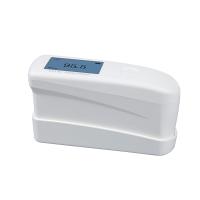
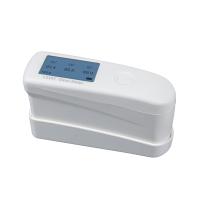
How to detect the gloss of the fabric?
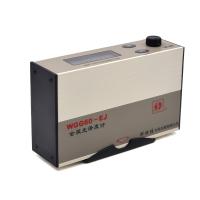
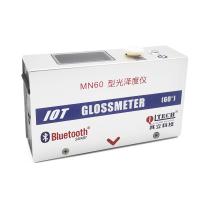
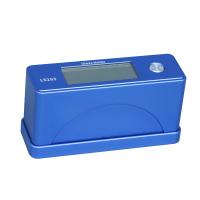
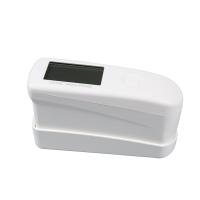
How to detect cloth gloss? Cloths of different materials will show different gloss due to the surface processing technology. In order to accurately evaluate the gloss of the cloth, we can use a gloss meter to detect it.
What fabric has the highest shine?
Generally speaking, pure cotton fabrics have no luster, or the luster is softer. If pure cotton is made of long-staple cotton, combed cotton, and high-count and high-density fabrics, the surface will be shiny and the fabric will be softer.
At present, the popular glossy pants on the market are mainly made of nylon, spandex and other materials. In order to ensure the glossy appearance of the product, manufacturers need to test the glossiness of the glossy pants.
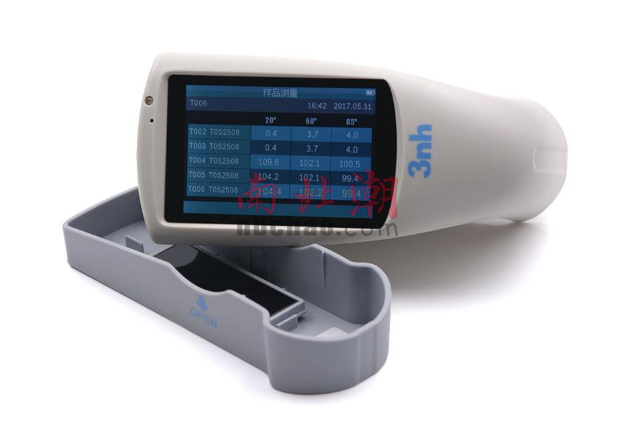
Fabric gloss detection methods mainly include specular gloss, two-dimensional contrast gloss, three-dimensional contrast gloss, horizontal axis rotation method (NF method) contrast gloss, vertical axis rotation method (Jeffries method) contrast gloss, etc., which are more commonly used. The most important thing is to measure directly through the gloss meter. Most gloss meters use the relative measurement method of specular gloss.
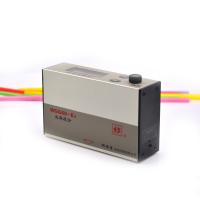
Gloss meter detects fabric luster:
The surface gloss of the cloth is a characteristic of its appearance, and the glossiness is a physical quantity to evaluate the ability of the specular reflection of light on the surface of the cloth. The gloss meter can realize the relative measurement of the specular gloss of the cloth surface through the standard plate.
It is composed of incident light emitters, receivers, standard plates and other structures. The measured gloss is referred to black glass with a refractive index np=1.567. Perform specular reflection, and define the glossiness value at this time to be 100.0 gloss units. Then under the same conditions, divide the reflected luminous flux on the surface of the object by the reflected luminous flux of the standard plate, so as to obtain the relative value of the surface gloss of the object.
Glossiness detection cloth gloss operation steps are as follows:
1. Prepare the fabric sample to be tested
The surface of the cloth should be flat and free of other stains.
2. Start up
Long press the gloss meter to start up
3. Calibration
The instrument performs relative measurement through the standard plate, so it needs to be calibrated through the standard plate. However, many instruments support the automatic calibration function at startup, which makes the detection more convenient.
4. Measurement
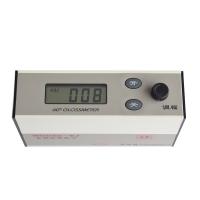
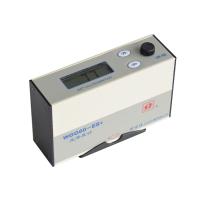
When measuring, put the measuring aperture of the instrument close to the surface of the fabric to be tested, press the measurement key, and the interface will display the measured value. In order to ensure the accuracy of the measurement results, several measurements should be carried out and the average value calculated.
- 1Principle and Application of Glossiness Tester
- 2Working Principle and Application of Metal Gloss Meter
- 3Basic principle and application analysis of insulating paint gloss Detector
- 4Working principle and application analysis of film Glossmeter
- 5Principle and application analysis of microporous gloss meter
- 6 FZ/T 01097 Analysis of fabric gloss test method
- 7Evaluation and Application of Optical Properties of Powder coatings
- 8Coating coatings - Determination of surface gloss and Gloss meter
- 9The Importance and Method of Gloss Measurement of Paint Film