Oil Viscosity Measurement Considerations
Measuring the viscosity of oil
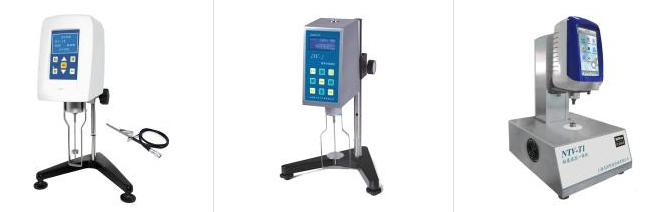
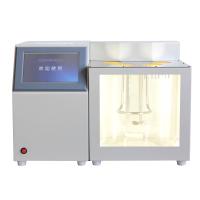
Viscosity is a measure of an oil's resistance to flow. In general, we can expect viscosity to decrease with increasing temperature and increase with decreasing temperature. Viscosity and temperature are believed to be inversely proportional. In oil analysis, viscosity is usually measured using a kinematic viscometer and expressed in centistons (cSt). Viscosity can also be measured using the absolute (dynamic) viscosity technique and is reported in centipoise. Absolute techniques usually use a Rotational Viscometer, while kinematic techniques usually use a gravity-dependent flow viscometer. The difference between the two techniques is the fluid density.
Key factor
There are some important factors to consider when selecting the proper viscosity oil for your equipment: Viscosity Index (VI), shear stress conditions and component temperature are important factors. Viscosity Index is a dimensionless value used to quantify the relative change in viscosity with temperature. Oils with a higher VI value have less change in viscosity under extreme temperature changes. Viscosity index improvers are a common method of increasing the VI of mineral base oils. High VI oils can operate over a wider temperature range and effectively reduce wear rates. Many synthetic base stocks have high VI values, but not all.
VI improvers, although effective in reducing temperature-dependent viscosity changes, are susceptible to mechanical shear. Excessive shear results in lower viscosity values at higher temperatures and prevents the oil from effectively forming the desired fluid film under operating conditions. Excessive shear leads to a boundary lubrication condition, which occurs when the two surfaces no longer achieve a full fluid film (hydrodynamic or elastohydrodynamic). Sometimes boundary lubrication is unavoidable, in which case we can use antiwear and/or extreme pressure additives to protect machine surfaces. Shock loads, sustained heavy loads, degradation or mixing of lubricants, and extreme temperatures can also cause boundary lubrication conditions and lead to insufficient lubrication conditions.
Choose the right viscosity
Reasons for Change Selecting the proper viscosity depends on the speed, size, load and temperature of the lubricated parts. In some cases, this may mean choosing grease over oil. There are many tools and viscosity calculators to help you choose the correct viscosity for your components. Generally, higher angular velocity (magnitude and velocity), higher temperature applications typically require oil, while lower angular velocity applications can utilize grease.
Causes of Viscosity Changes
Viscosity is often considered a lagging indicator test, meaning something happened that caused the oil viscosity to change. It is common that adding an incorrect grade of oil is the cause of a sudden sharp change in viscosity, but other root causes include contamination from water, fuel or other solvents or loss/shear of VI improvers. Excess moisture, heat, exposure to air, and elevated metal concentrations (acting as metal catalysts) can all cause oil to oxidize, which will also cause viscosity changes. To determine the root cause of viscosity changes, it can be helpful to use an instrument such as FluidScan or Spectroil to trend the chemical composition and elemental values of the oil.
alarm limit
An alert limit for viscosity can be set by first benchmarking the new oil. Priming the oil is an important first step, as ISO grades typically have a tolerance of +/- 5% cSt during mixing. It is important to know the starting point so that the condemnation range can be set accordingly. Typically, +/- 5% for warnings and +/- 10% for alerts. These limits can be changed accordingly. From my days working in a petroleum lab, we sometimes hit alarms up to +/- 20%, depending on the criticality and history of the component.

- 1Viscosity of polypropylene (PP) amide measured by NDJ Viscometer
- 2Which Viscometer to Choose for Licorice Extract Viscosity Testing? How to Test?
- 3Application of Rotational Viscometer in juice viscosity test
- 4Working Principle, Classification and Application of Capillary Viscometer
- 5Principle, Characteristics and Application of Dial Viscometer
- 6Basic Principle and Application of Ceramic Viscometer
- 7Principle, Characteristics and Application of QND Viscometer
- 8Determination of epoxy resin viscosity by Rotational Viscometer
- 9Rotational viscometer selection suggestions


